


Stecker Machine Blog

What Are the Top Types of Flat Bar Grating?

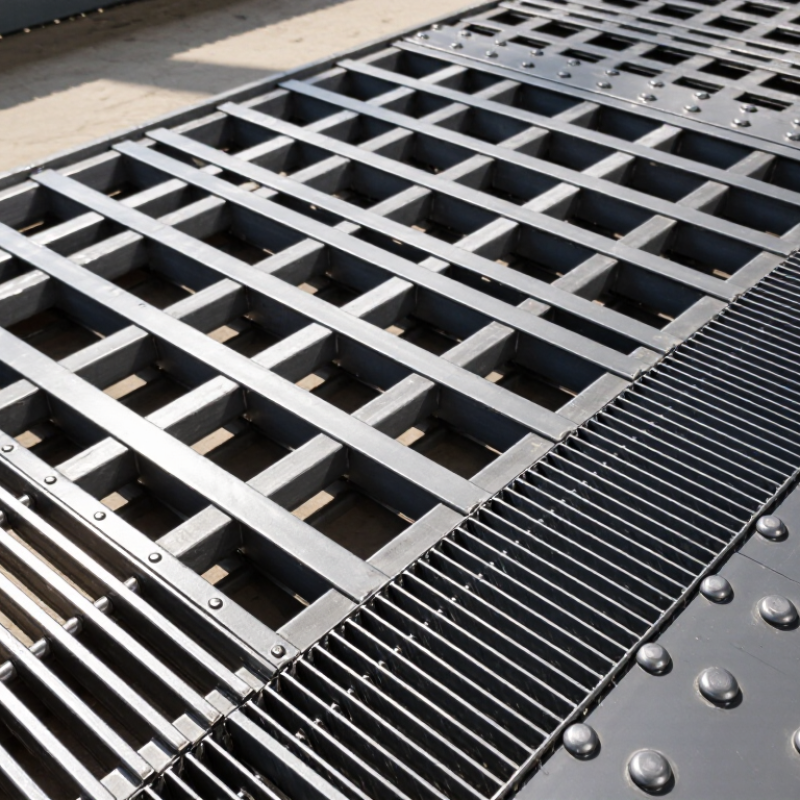
Flat Bar Grating looks simple from above: parallel steel bars, crossbars, and open spaces that shed water and light. Yet choosing the right type depends on more than appearance. Load, span, traffic, finish, and installation all matter. A panel beside a loading bay faces different demands from one used on a narrow service walkway.

Common options include welded, press-locked, swage-locked, and riveted grating. Each joins its bearing bars and crossbars differently, affecting rigidity, appearance, and fabrication. Plain surfaces suit many dry applications; serrated bars can offer more grip where shoes meet wet or oily floors. Small details count. A cut edge, for example, may need extra attention during installation.

As NAAMM’s Metal Bar Grating Manual is a technical reference for the industry, its guidance can help frame a careful selection. In plain language: “Match the grating to the load, span, and conditions—not just the opening size.” This is a paraphrase, not a direct quotation. No single type fits every job, and a quick visual check cannot replace verified load data.

This guide compares the leading types of Flat Bar Grating, their construction, and practical uses. It also points out trade-offs that product descriptions may gloss over. A useful choice is not always the heaviest one. The details deserve a second look.
What Are the Top Types of Flat Bar Grating?

How Flat Bar Grating Is Constructed

What Are the Top Types of Flat Bar Grating?

How Flat Bar Grating Is Constructed

Flat bar grating is built from parallel bearing bars joined by cross bars. The bearing bars carry the main load, so their depth, thickness, and span matter. Cross bars keep the panel stable and maintain consistent spacing. Common construction methods include resistance welding and pressure locking. Welded grating fuses cross bars to bearing bars at their intersections. Pressure-locked grating presses cross bars into slots in the bearing bars. Small details matter.

A familiar layout is 19-W-4: bearing bars are spaced 1-3/16 inches apart, while cross bars are spaced 4 inches apart. These dimensions describe spacing, not load capacity. NAAMM’s Metal Bar Grating Manual, MBG 531-17, provides load tables organized by bar size, spacing, and span. Those tables show why two panels with similar appearances can perform differently. A longer span or thinner bearing bar can reduce allowable load.

Edges may be banded with flat bar to finish the panel and help protect exposed bearing-bar ends. Openings and cutouts need careful detailing, since cutting can interrupt load-carrying bars. I have seen how easy it is to focus on the panel pattern and overlook support conditions. That is worth checking. Specify the bearing-bar direction, support spacing, design load, and fabrication method before ordering; otherwise, a neat-looking panel may not fit its actual service conditions.

Which Features Distinguish the Main Grating Types?

What Are the Top Types of Flat Bar Grating?
Which Features Distinguish the Main Grating Types?

Flat bar grating is usually distinguished by how its bearing bars and crossbars are joined. In welded grating, crossbars are fused to the bearing bars at each intersection. This creates a rigid panel often used for platforms, walkways, and drainage covers. Press-locked grating uses crossbars inserted through slots in the bearing bars and secured under pressure. Its intersections look neat and uniform, though panel strength depends on bar size and spacing. A small difference.

Riveted grating joins the bars with rivets and can suit applications needing a sturdy, resilient panel. The walking surface is another choice: smooth bars are common in dry areas, while serrated bars add grip where water, oil, or debris may collect. Serration can make cleaning less convenient, so the site conditions matter. Not always obvious.

Check the bearing-bar depth, thickness, and spacing against the expected load and span. Closer spacing may reduce openings, while deeper bars can support heavier loads across longer spans. Finish also matters: galvanized steel can help resist corrosion outdoors, but the right protection depends on exposure and maintenance. I would not choose by appearance alone; a tidy panel may still be unsuitable for the actual load. Confirm the panel details with a qualified supplier or engineer, especially when people will regularly walk on it.

What Are the Top Types of Flat Bar Grating? - Which Features Distinguish the Main Grating Types?

Type How It Is Made Typical Bar Arrangement Key Distinguishing Features Common Applications Points to Consider
Welded Steel Grating Crossbars are resistance-welded to the bearing bars at their intersections. Flat bearing bars are commonly spaced about 19–40 mm (¾–1½ in) on center; crossbar spacing varies by specification. Rigid, durable construction with secure intersections. Available in a wide range of bar depths, spacings, and finishes. Industrial floors, walkways, platforms, stair treads, and equipment areas. Specify the bearing-bar size and spacing for the required span and load. Carbon steel grating may need a corrosion-protective finish, such as hot-dip galvanizing.
Pressure-Locked Grating Crossbars and bearing bars are fitted together under pressure through aligned slots. Swage-locked grating is a common mechanically locked form in which the crossbars are deformed to secure the intersections. Flat bearing bars are paired with crossbars inserted through slots; bar spacing is selected for the intended load and opening size. Mechanical interlocking creates a consistent panel without welded intersections. Often chosen where a clean appearance or close spacing is preferred. Walkways, platforms, screens, and architectural or industrial flooring. Confirm the specific locking method and panel design with the fabricator. Load capacity depends on bearing-bar dimensions, span, and spacing.
Riveted Grating Rivets mechanically join the bearing bars and crossbars, traditionally using a formed or bent crossbar arrangement. Spacing and bar sizes are customized; some designs use a more flexible crossbar pattern than welded grating. Mechanical connections can provide a degree of flexibility and resistance to repeated movement or vibration. Some heavy-duty floors, bridges, and locations subject to dynamic service conditions. Less commonly specified than welded grating in many applications. Check availability, connection details, and load data for the particular design.
Close-Mesh Grating A close-mesh layout—not a separate joining method—made using welded or pressure-locked construction. Smaller openings are achieved by reducing the spacing between bearing bars, crossbars, or both. Helps limit the passage of small objects and provides a denser walking surface than standard open grating. Maintenance platforms, walkways, mezzanines, and areas where smaller openings are required. Smaller openings can increase material weight and reduce drainage or light transmission. Select the opening size to suit the site requirements.
Specification note: Dimensions and load capacity vary by manufacturer, material, bar size, panel span, and applicable design standard. Confirm project requirements using product-specific load tables and drawings.

Welded Flat Bar Grating: Structure and Common Uses

Welded flat bar grating consists of load-bearing steel bars joined to perpendicular crossbars at regular intervals. The intersections are typically resistance-welded, creating a rigid panel with open spaces between bars. The flat bearing bars usually stand on edge, helping them carry loads across a span. Crossbar spacing keeps the panel aligned and distributes foot traffic across its surface. That matters.

This grating is commonly used for industrial walkways, work platforms, stair treads, and equipment access areas. Its open design lets water, dirt, and light pass through, which can help in wet or debris-prone settings. On a factory platform, for example, the gaps can make it easier to clear spilled water than with a solid floor. But the openings may be unsuitable where small tools or objects could fall through.

Panel strength depends on bar size, spacing, span, and support conditions, so appearance alone is not enough to judge capacity. Galvanized finishes can help resist corrosion outdoors, while other environments may need different protection. It is easy to focus on load ratings and overlook comfort: narrow bearing bars can feel harsh underfoot during long shifts. That detail deserves a second look.

Press-Locked and Swage-Locked Grating: Key Differences

Press-locked and swage-locked grating both join bearing bars with perpendicular cross bars, but their connections are made differently.

In press-locked grating, the bars are typically notched and pressed together under high force. The finished panels have a regular grid and can suit platforms, walkways, and floor openings.

Check the joint closely. A neat surface does not, by itself, confirm a panel’s load capacity.

Swage-locked grating uses cross bars that pass through slots in the bearing bars. The slots are then mechanically deformed around the cross bars to hold them in place. This creates a tight connection, often with a clean, consistent appearance.

Small detail, big difference.

In practice, selection should account for bar depth, spacing, span, loading, and the environment—not just the locking method. For example, a maintenance platform exposed to repeated foot traffic needs a suitable load rating and secure supports.

Specifications and test data matter more than a quick visual comparison. I have seen people focus too much on the grid pattern; it is an easy mistake to make.

A qualified fabricator or engineer can help verify the design for the actual installation.

How to Select a Grating Type for Your Application

Selecting a grating starts with the task beneath your feet. A service platform carrying carts needs a different design from a drain cover beside washdown equipment. Check the clear span, support spacing, expected loads, and direction of travel. The ANSI/NAAMM MBG 531-17 Metal Bar Grating Manual provides load and deflection guidance for metal grating. Do not choose by appearance alone. Small details matter.

Welded grating is common for general platforms, while press-locked or swage-locked styles may suit different fabrication and appearance needs. For wet or oily floors, serrated bearing bars can improve traction, though they cannot eliminate slip risks. The U.S. Bureau of Labor Statistics recorded 885 fatal work injuries involving falls, slips, and trips in 2023. That figure is not specific to grating, but it underscores why surface conditions deserve attention. Consider openings, too, especially where small tools or narrow footwear could pass through.

Match the material to the environment: galvanized steel for many outdoor installations, stainless steel where corrosion resistance is critical, and aluminum when lower weight matters. Verify load tables for the actual span and support conditions. A rule of thumb can mislead. I would also revisit the choice after installation: standing water, vibration, or unexpected traffic may reveal assumptions that looked reasonable on paper.

What Are the Top Types of Flat Bar Grating?

Common bearing-bar spacings in standard steel grating layouts (nominal dimensions).

How to select: Welded grating is a common choice for general-purpose platforms; press-locked grating offers a smooth, uniform appearance. Closer bearing-bar spacing can provide more frequent support, but the required load capacity depends on bar size, span, material, and loading. Confirm the design against applicable load tables and project requirements.