
A dependable Petrol Tricycle must do more than start reliably. It must carry people or goods through crowded streets, uneven lanes, and repeated stop-and-go trips. Buyers should compare rated payload, passenger capacity, braking, fuel use, service access, and operating cost—not just engine size. The right choice depends on the route. A market stall’s daily deliveries place different demands on a vehicle than a passenger service does.
Industry figures show why this category deserves careful attention. The Society of Indian Automobile Manufacturers reported 691,749 domestic three-wheeler sales in 2023–24, up from 525,088 in 2022–23. Those totals include multiple fuel types, so they do not represent petrol demand alone. The International Energy Agency’s Global Fuel Economy Initiative also treats vehicle efficiency as an important measure in transport planning. Together, these sources offer useful context, not a verdict on any individual model.
Dr. V. Sumantran, an automotive engineer and mobility strategist, provides a useful systems-level lens. A concise paraphrase of that perspective is: choose a vehicle for its real work, not its brochure. This guide compares 2026 options for cargo and passenger use through practical details: load stability, cabin comfort, fuel economy, maintenance, and expected daily duty. One caution remains. Manufacturer figures may not match a fully loaded vehicle climbing a rough road. Check local service support and test the tricycle under realistic conditions before deciding. A little doubt is useful.
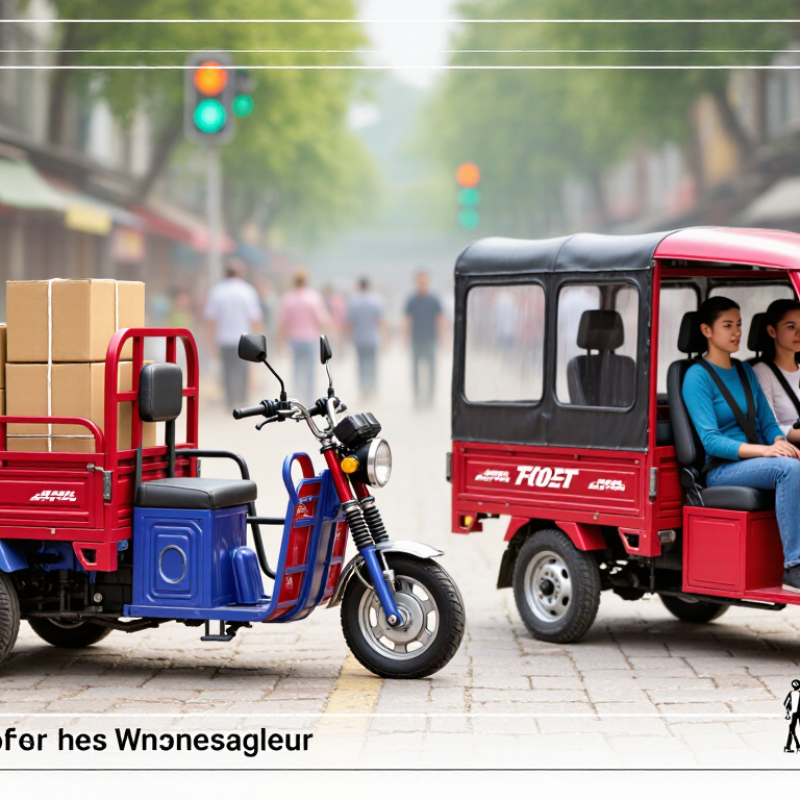
A petrol tricycle combines a small combustion engine, a three-wheel chassis, and a cargo bed or passenger cabin. The engine burns fuel to create rotational force, which passes through a clutch and gearbox to the driven wheels. Low gears help the vehicle start under load. Higher gears suit steady travel on level roads. The exact setup varies by model.
The frame carries weight across two rear wheels, but loading still affects stability. Place dense cargo low and near the center. A tall stack can make cornering feel unsettled, even at modest speed. Passengers should sit within the intended seating area, not on the cargo bed. Small details matter. Check tire pressure, brake response, chain or shaft condition, and engine oil before regular use.
On a slope, use a suitable low gear rather than forcing the engine to pull in a high one. Give the throttle time to respond. These vehicles can be practical in narrow streets and short delivery routes, though rough surfaces expose their limits. I have found that a tricycle may feel steady in a straight line, then behave differently when uneven cargo shifts mid-turn. That deserves attention. Start with a light load and learn how braking and steering change as weight increases.
2026 Best Petrol Tricycle for Cargo and Passenger Use
Cargo and Passenger Configurations: Key Differences
Cargo and passenger tricycles may share an engine and chassis, but their layouts serve different jobs. SIAM reported 691,749 domestic three-wheeler sales in India during FY 2023–24, showing a substantial market for these vehicles. The figure covers the category, not separate cargo and passenger totals. Choose by daily workload, not appearance.
A cargo setup usually has an open or enclosed load bed, a sturdier rear platform, and fewer seats. Check rated payload, loading height, and how weight sits over the axles. Passenger versions prioritize bench space, step-in access, handholds, and weather protection. More seats can mean less room for bags. A full load also changes braking distance and cornering feel. Small details matter.
Tips: Write down your typical load, route, and number of passengers before comparing specifications. Ask the seller to demonstrate turning and braking with a representative load. Verify the vehicle’s rated capacity in its documentation; do not treat a roomy body as proof of higher payload. One trade-off is easy to miss: a configuration that works on a smooth test route may feel less stable on uneven streets.
2026 Best Petrol Tricycle for Cargo and Passenger Use
Peak engine power looks impressive on paper, but usable power matters more. Compare engine output with the intended load, route, and typical gradients. Check the rated payload, then account for passengers, tools, and fuel. Test it loaded. A tricycle that accelerates smoothly with an empty bed may strain on a steep, uneven road.
Comfort comes from details: a supportive seat, reachable controls, steady suspension, and room for passengers’ feet. Ask for a loaded test drive over bumps and tight turns. One limitation deserves attention: a payload rating cannot tell you how the vehicle handles on a wet surface. That uncertainty is easy to overlook.
Safety should carry real weight in the comparison. The WHO’s Global Status Report on Road Safety 2023 estimates 1.19 million road deaths worldwide each year. That figure is not specific to tricycles, but it underlines the value of predictable braking and visibility. Inspect the brakes, tire condition, mirrors, lights, and passenger handholds. Small details matter. Choose a model that remains stable when loaded, and confirm its braking performance during a supervised test—not just from a sales specification.
Compare representative engine power and rated payload across common petrol tricycle configurations.
The figures are representative example specifications, not verified averages or recommendations for a particular model. Actual power and payload vary by market and vehicle design. For passenger use, check seating, restraints, braking, stability, and local regulations; never exceed the manufacturer’s rated payload.
Choosing a 2026 petrol tricycle for work or daily transport begins with the route. A flat delivery circuit puts different demands on the engine than steep streets or rough village roads. Check the rated payload, not just the size of the cargo bed. A low loading height can save time when moving boxes, tools, or produce. Small details matter.
For regular work, compare fuel use under realistic conditions. Stop-and-go traffic, heavy loads, and frequent idling can raise consumption. Ask how often routine servicing is needed, and check whether common replacement parts are readily available nearby. Inspect the frame, brakes, tires, and suspension before purchase. A shiny finish proves little.
Passenger use needs a different checklist. Look for stable seating, secure handholds, useful foot space, and a canopy that suits local weather. Confirm the vehicle’s stated passenger capacity and operating limits in its documentation. Do not assume a cargo model becomes comfortable with an added bench. That shortcut can feel cramped, and it deserves a second look. Test-drive the tricycle with a representative load when possible; unloaded handling may feel noticeably different. Compare turning space and braking response on the roads you actually use.
A petrol tricycle earns its keep when routine checks prevent avoidable downtime. Before each shift, inspect tire pressure, tread, lights, mirrors, and brake response. Look for fresh oil beneath the engine and loose fasteners around the cargo bed. Change the oil and service the air filter according to the maintenance manual. Dusty routes may require more frequent filter checks. Budget for fuel, scheduled servicing, tires, brake parts, and occasional battery replacement. Keep receipts and record mileage; small expenses are easy to overlook. That adds up. Fuel use changes with load, hills, traffic, and driving style, so records from your own routes are more useful than a generic estimate. Avoid overloading to save a second trip.
Legal requirements depend on your location and how the vehicle is used. Check with the local transport authority before carrying passengers or operating commercially. Confirm registration, the correct driving licence, insurance, inspection rules, and any emissions requirements. Passenger seating, helmet use, vehicle dimensions, and permitted load may also be regulated. Rules differ by jurisdiction and vehicle classification. Ask your insurer to confirm that both cargo and passenger use are covered; assumptions can leave costly gaps. Keep required documents accessible, and verify current rules before purchasing, since requirements can change. A careful checklist helps, though it cannot replace official guidance.
| Use or decision area | Practical specification or benchmark | Running-cost and maintenance considerations | Legal and safety checks |
|---|---|---|---|
| Urban cargo | Typically a 150–200 cc four-stroke petrol engine; suited to frequent stops and moderate loads on paved roads. Check the maker’s rated payload, not just the size of the cargo bed. | For planning, allow roughly 3.5–5.0 L/100 km under working conditions. Actual consumption varies with load, traffic, road gradient, tyre pressure, and driving style. | Confirm the permitted vehicle category, registration class, required driving licence, and whether the cargo body and load comply with local dimensions and weight limits. |
| Heavy-duty cargo | Typically a 200–250 cc petrol engine with a suitably rated chassis, brakes, suspension, and rear axle. Select by verified payload and gross vehicle weight rather than engine capacity alone. | Heavier loads and hills can increase fuel use and wear on tyres, brakes, clutch, chain or final drive, and suspension. Avoid exceeding the manufacturer’s rated limits. | Check axle and gross-weight limits, load restraint rules, required reflectors or lamps, and any commercial-vehicle inspection or permit requirements. |
| Passenger transport | Choose a passenger-configured model with approved seating, passenger handholds, suitable footrests, and brakes designed for the vehicle’s rated passenger capacity. | Passenger load affects acceleration, braking distance, fuel consumption, and component wear. Keep the vehicle within its rated seating and weight limits. | Passenger carriage may require a specific vehicle approval, commercial registration, operating permit, insurance, or driver qualification. A cargo model is not automatically legal for passengers. |
| Mixed cargo and passenger use | Use only a configuration explicitly approved for both purposes. Verify that the combined occupants and cargo remain within the stated payload and that seating does not obstruct the cargo or safety equipment. | Mixed loads can shift the centre of gravity. Secure cargo, distribute weight evenly, and check tyre pressure against the load specified in the owner’s manual. | Do not add seats or alter the frame without the required approval. Local rules may classify a converted or dual-purpose vehicle differently. |
| Fuel-cost estimate | Example planning assumption: 4.0 L/100 km average consumption and petrol priced at US$1.10/L. | Estimated fuel cost: about US$4.40 per 100 km, or US$0.044 per km. Replace the assumed fuel price and consumption with local figures; this excludes oil, repairs, tyres, insurance, and depreciation. | Fuel prices, taxes, and required insurance vary by location. This estimate is for budgeting only, not a guaranteed operating cost. |
| Pre-use checks | Check tyres, brakes, steering, lights, horn, mirrors, leaks, fasteners, and cargo or passenger restraints before operation. | Correct tyre pressure and prompt attention to unusual noise, vibration, smoke, or fluid leaks can help prevent more costly damage. | Ensure required safety equipment is present and working. Do not operate a vehicle with defective brakes, tyres, lights, or steering components. |
| Engine oil and routine servicing | Use the oil grade and service intervals specified in the owner’s manual. Check the oil level at the interval stated by the manufacturer. | Service intervals differ by engine and operating conditions. Frequent short trips, dust, heavy loads, and high temperatures may require more frequent inspection or servicing. | Keep service and repair records where required for inspection, warranty, fleet, or commercial-use purposes. |
| Air filter, spark plug, and fuel system | Inspect and service these items according to the maintenance schedule; dusty work environments may call for more frequent air-filter attention. | A clogged air filter or poorly maintained ignition and fuel system can reduce performance and increase fuel consumption. Use compatible parts and follow the manual. | Any emissions or noise requirements depend on local vehicle standards and inspection rules. Do not remove required emissions-control equipment. |
| Brakes, tyres, and drivetrain | Inspect brake operation, tyre condition and pressure, wheel bearings, chain or other final-drive components, and suspension regularly. | Heavy loads, rough roads, and stop-start use can accelerate wear. Replace worn safety-critical parts promptly and have complex repairs performed by a qualified technician. | Tyre type, tread condition, brake performance, and equipment standards may be checked during roadworthiness inspections. |
| Registration and road use | Before purchase, obtain the vehicle identification details and confirm the exact category under the rules where it will be operated. | Budget for registration, inspection, insurance, fuel, scheduled service, and wear items; costs depend on the vehicle and jurisdiction. | Requirements may include registration, roadworthiness inspection, third-party or commercial insurance, a valid licence, number plates, and local operating permits. Verify with the relevant transport authority. |
| Load and passenger safety | Follow the stated payload and seating capacity. Secure loads so they cannot shift, fall, block lamps, or interfere with steering or braking. | Overloading increases fuel use and can damage tyres, brakes, suspension, and the frame, while reducing stability and control. | Follow local rules for helmets, seat belts where fitted or required, passenger limits, load projection, and cargo restraint. Requirements differ by jurisdiction. |
Important: Petrol tricycle specifications, fuel economy, service intervals, prices, and legal requirements vary by model, load, road conditions, and jurisdiction. Treat the figures above as general planning benchmarks; confirm the exact payload, approved use, maintenance schedule, and legal status with the vehicle documentation and local transport authority before purchase or operation.
5107 County Road C
Manitowoc, WI 54220
920-726-4526