
Stecker Machine Blog

7 Best Alkaline Water Hydrogen Production Equipment in 2026

Choosing hydrogen equipment is not just a matter of comparing output figures. Site conditions, water quality, power supply, and maintenance capacity all shape what works in practice. This guide introduces seven options for Alkaline Water Hydrogen Production Equipment in 2026, with attention to the details buyers can verify: rated capacity, operating pressure, energy use, materials, controls, and after-sales support. A polished specification sheet is useful, but it cannot show every daily operating challenge.

The comparisons are intended to help readers ask better questions, not to promise a universal winner. Check each manufacturer’s technical documentation, test conditions, and service terms before treating published figures as directly comparable. Small differences in stated efficiency may reflect different measurement methods. That matters. A compact unit may suit a pilot project, while a larger system can bring different installation and maintenance demands. Consider where the equipment will run, who will operate it, and how downtime would affect your process. These practical questions can be less exciting than headline performance, yet they often guide a sound purchase. No shortlist replaces a site-specific engineering review, and some product details may change during the year. Use the seven selections as a starting point, then confirm current specifications with suppliers and qualified technical advisers.
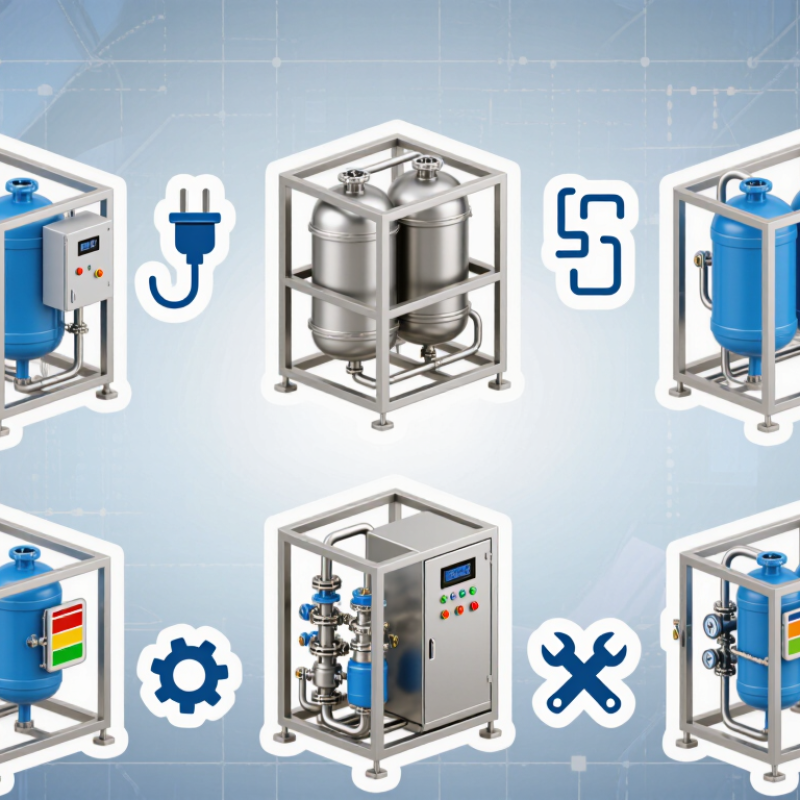
7 Best Alkaline Water Hydrogen Production Equipment in 2026

Principles of Alkaline Water Hydrogen Production

Alkaline water hydrogen production uses electricity to split water into hydrogen and oxygen. An alkaline electrolyte, commonly a potassium hydroxide solution, helps carry ions between two electrodes. At the cathode, water molecules gain electrons and release hydrogen gas. Hydroxide ions travel through a porous separator toward the anode, where oxygen forms. The separator keeps the gases apart while allowing ionic movement. Small details matter.

Tips: Use clean feedwater and follow the equipment maker’s specified electrolyte concentration. Check seals, tubing, and separator condition before operation. Keep good ventilation, and use suitable hydrogen detection where required. Never treat a steady bubble stream as proof of gas purity.

Production depends on current, temperature, pressure, and cell design. Higher current can increase output, but it also raises heat and power demand. Operators should track voltage, temperature, and gas flow rather than relying on one reading. In practice, stable operation takes attention; a reading that looks normal may still hide a worn seal or uneven flow. I would not assume every setup performs identically, even with similar settings.

Key Criteria for Evaluating Equipment in 2026

In 2026, evaluate alkaline water hydrogen equipment by verified performance, not display claims. Check dissolved hydrogen output in milligrams per liter, and ask how and when it was measured. Results can change with water temperature, source, and operating time. A single peak reading may not reflect everyday use. Numbers matter.

Look for clear specifications on electrolysis cells, membrane materials, input-water requirements, and cleaning intervals. Ask whether output stays consistent across repeated cycles. Replacement parts and service access matter too. Safety features should include clear operating limits and protection against overheating or leaks. Health claims are not performance evidence.

Tips: Request independent test records and compare the testing conditions. Keep a simple log of water source, temperature, and measured output. Avoid treating pH or oxidation-reduction readings as substitutes for dissolved-hydrogen measurements. A sleek interface can distract from missing data; it is an easy detail to overlook. Check total ownership costs, including filters and cell replacements, before choosing equipment.

Seven Alkaline Water Hydrogen Production Systems to Know

Seven alkaline water hydrogen production systems serve different spaces and usage patterns. A pitcher-style electrolytic unit suits occasional, small-batch use. A countertop ionizer connects to a faucet and offers adjustable water settings. An under-sink electrolyzer saves counter space but requires installation and filter checks. Portable hydrogen water bottles are useful away from home. They need regular cleaning.

Inline point-of-use systems treat water near a tap, while commercial multi-station units supply several users. A modular alkaline electrolysis system is designed for larger, monitored setups rather than casual household use. Their outputs and maintenance needs vary. Check stated hydrogen concentration, water compatibility, electrode materials, replacement parts, and independent test methods. A display reading alone is not proof.

Fit matters more than a long feature list. Match daily volume to the system’s rated output, and confirm how often filters or electrodes need attention. Hard water can complicate upkeep. Ask how performance is measured and whether results apply to your feed water. No single setup suits everyone; even a tidy countertop model may become inconvenient if cleaning is fiddly. These systems change water characteristics, but that does not establish a health benefit.

7 Best Alkaline Water Hydrogen Production Equipment in 2026 — Seven Alkaline Water Hydrogen Production Systems to Know

System Type Hydrogen Production Method Water Output Installation and Use Best-Fit Setting Key Checks Before Selection
Countertop alkaline water ionizer Electrolysis separates water into streams at the cathode and anode; the cathode stream is generally alkaline and contains dissolved hydrogen. Made on demand in selectable batches; pH and dissolved-hydrogen results depend on the unit, source water, and operating conditions. Countertop connection to a compatible faucet or water line; usually requires routine cleaning and filter replacement. Households wanting selectable water settings without permanent under-sink installation. Confirm the required feed-water conditions, filter schedule, cleaning procedure, and whether hydrogen concentration is reported separately from pH or ORP.
Under-sink alkaline water ionizer Electrolysis produces separate cathode and anode water streams; the cathode stream is typically the alkaline-water outlet. Provides treated water through a dedicated faucet; actual flow and hydrogen concentration are model- and water-dependent. Installed beneath a sink and connected to plumbing and a dedicated dispensing faucet. Kitchens where a fixed, frequently used water station is preferred. Check installation requirements, water-pressure limits, filter availability, wastewater routing, and the test method used for hydrogen claims.
Portable electrolytic hydrogen-water bottle A compact electrolysis cell generates hydrogen in a bottle; some designs separate gases through a membrane. Produces a limited bottle-sized batch rather than a continuous household supply; results vary by cycle and device design. Portable, rechargeable equipment intended for individual servings. Travel, workplace, or single-user use where portability matters. Look for clear operating instructions, cell-cleaning guidance, materials suitable for drinking-water contact, and independent hydrogen testing.
Inline point-of-use electrolysis system An electrolysis module treats water as it passes through the system; alkaline output and hydrogen production depend on the cell and flow rate. Dispenses treated water on demand; performance can change with water chemistry and throughput. Installed in a water line, commonly with pre-filtration and a dedicated outlet. Users seeking a built-in dispenser rather than a batch-filling appliance. Verify the compatible flow range, required pretreatment, service access, and whether the manufacturer provides measured hydrogen data at the stated flow.
Multi-cell commercial ionizer system Multiple electrolysis cells process water in parallel or through a higher-capacity arrangement. Designed for greater demand than a single household unit; the actual capacity must be confirmed from the system's rated operating conditions. Requires professional assessment of plumbing, electrical supply, drainage, and maintenance access. Shared-use locations such as offices or hospitality settings, when permitted by site requirements. Assess rated throughput, water-quality limits, sanitation procedures, service support, and whether performance data applies to the intended duty cycle.
Hydrogen infusion system with mineralization stage Hydrogen is dissolved into water by an infusion or gas-transfer stage; a separate mineralization stage may raise alkalinity. Hydrogen addition and alkalinity adjustment are distinct functions, so each should be evaluated separately. May be a countertop or plumbed setup; the configuration determines batch size and installation needs. Applications where controlled hydrogen infusion and a separate alkalinity stage are desired. Check how hydrogen is introduced, how alkalinity is adjusted, whether gases are safely vented, and how both outputs are measured.
Laboratory or pilot-scale alkaline electrolysis system A controlled electrolysis apparatus generates hydrogen at the cathode; cell design and operating conditions determine the output. Produces experimental or pilot batches; it is not automatically configured as a certified drinking-water appliance. Requires trained operators, defined operating procedures, and appropriate electrical and gas-handling controls. Research, process development, or controlled testing rather than ordinary home use. Confirm drinking-water suitability, gas separation, materials compatibility, ventilation, electrical safety, and validated analytical methods before any potable-water application.

Comparison note: These are equipment categories, not ranked or branded products. Alkalinity, pH, oxidation-reduction potential (ORP), and dissolved-hydrogen concentration are different measurements; ORP alone does not establish hydrogen concentration. Actual performance depends on equipment design, source water, and operating conditions.

Comparing Output, Efficiency, Safety, and Operating Costs

When comparing alkaline water hydrogen production equipment, headline output is only a starting point. Check whether a figure describes hydrogen generation or dissolved hydrogen in the finished water; they are not interchangeable. Numbers matter. Ask how output was measured, at what water temperature, and after how many minutes. A clear test method makes competing specifications easier to judge. For efficiency, compare energy use with measured output, not power rating alone. A higher production rate may also mean higher electricity use.

Safety and operating costs deserve equal attention. Look for clear guidance on ventilation, pressure control, leak checks, and compatible water-contact materials. The device should have accessible maintenance instructions, not just reassuring claims. Check the label. Consumable parts, cleaning time, water requirements, and replacement intervals can change the real cost over a year. A compact unit may suit light, intermittent use, while higher-capacity equipment can make more sense for steady demand. Yet larger output does not automatically mean better value.

A neat specification sheet can still mislead. Independent testing is useful, but test conditions should match how the equipment will actually be used. Keep records of energy use and maintenance during a trial period. That may reveal inconvenient details, such as output falling between cleanings. Compare total cost, verified performance, and safety provisions together; no single rating tells the whole story.

Choosing Equipment for Different Applications

For laboratories and pilot plants, prioritize compact alkaline electrolyzers with stable output, accessible service points, and clear gas-purity monitoring. A small unit may suit intermittent testing, but check minimum load and startup behavior before purchase. A quiet room can still need ventilation, leak detection, and safe hydrogen handling. Capacity on a specification sheet does not tell the whole story.

On-site fuel or process-gas users should match production rate, outlet pressure, and storage needs to actual consumption. The International Energy Agency’s Global Hydrogen Review 2024 estimates global hydrogen demand reached 97 million tonnes in 2023, while low-emissions hydrogen remained below 1% of production. That gap signals a growing transition, not a guarantee that every site needs a large electrolyzer. Compare daily demand and operating hours, then assess water quality, cooling, maintenance access, and backup supply.

For renewable-powered installations, consider turndown range, modular expansion, and how the system handles changing power. Alkaline equipment can be a practical fit for steady industrial loads, yet frequent fluctuations may complicate operation. This deserves a closer look. Ask suppliers for performance data across realistic load conditions, not just peak output. A modest buffer tank may help, but it adds cost and space; sizing it from peak demand alone can be misleading.
