Which Is the Best Automotive Motor Tester in China?
Choosing the best Automotive Motor Tester in China is no longer a narrow workshop decision. Electric vehicles are changing what manufacturers and service teams need to measure. The International Energy Agency reported nearly 14 million electric-car sales worldwide in 2023, about 18% of all car sales. That shift puts greater emphasis on reliable motor and drive-system testing. The figure is global, not China-specific, but it shows why test capability matters.
A capable tester should do more than display a pass or fail. Buyers need clear measurements for winding resistance, insulation, phase balance, speed, torque, and temperature. For inverter-driven motors, compatibility with the test setup matters, too. Professor Ali Emadi, an electric-drive researcher, has emphasized the importance of evaluating electric propulsion systems as integrated systems. Applied to tester selection, that insight means checking how the instrument handles the motor, inverter, sensors, and operating conditions together. Ask for calibration records, repeatability data, safety features, and a live demonstration using a motor like yours.
Details matter. A stable reading at low speed can reveal problems that a quick showroom demo misses. Still, no tester fits every budget or production line. A low-cost unit may suit basic checks, yet fall short when test records must support detailed quality analysis. China has many suppliers, and polished specifications do not always tell the whole story. Some claims need verification. This guide compares the practical criteria behind the “best” choice, including accuracy, software, support, and total ownership cost, so readers can judge equipment against their own motor-testing needs.
What Is an Automotive Motor Tester and What Does It Measure?
An automotive motor tester is a diagnostic instrument for checking electric motors and related circuits in vehicles. Depending on its design, it may test starter motors, cooling fans, fuel pumps, or electric drive motors. Some units measure basic voltage and resistance; more advanced analyzers can assess current draw, winding condition, and motor speed. The exact functions vary.
A technician may begin by checking supply voltage at the motor connector, then compare operating current with vehicle service specifications. Excessive current can point to mechanical drag or an electrical fault, but it does not identify the cause by itself. Resistance and continuity tests can reveal an open winding or poor connection. Some testers also check insulation resistance or back electromotive force. Useful measurements, not magic.
For meaningful results, record the test conditions: battery state, motor temperature, and whether the component was tested in or out of the vehicle. A cold motor may behave differently from one that has been running. On high-voltage systems, use equipment rated for the vehicle and follow its service procedure; ordinary meters are not a substitute. One reading is rarely enough. A tester supports diagnosis, while inspection and comparison with reliable specifications help confirm it.
Which Types of Automotive Motor Testers Are Used in China?
Automotive motor testers in China vary with the motor and the production task. Insulation resistance and hipot testers check whether winding insulation can withstand specified electrical stress. Winding resistance meters help identify uneven phase readings or loose connections. These checks are common for incoming inspection and repair work. A careful technician also records temperature, since resistance changes as copper warms.
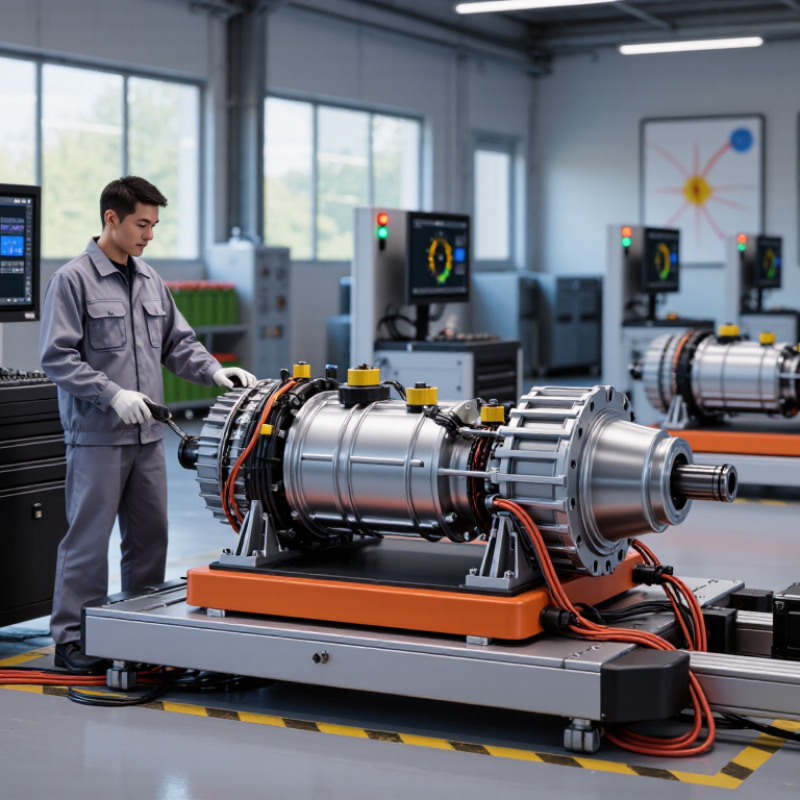
For assembled motors, dynamometers measure torque, speed, and output power under controlled loads. End-of-line systems may combine electrical checks with vibration, noise, and sensor tests. Electric-drive test benches can evaluate the motor together with its inverter, using controlled speed changes and load cycles. Different jobs need different tools. A repair shop may rely on portable instruments, while a factory needs repeatable fixtures and traceable results. The setup matters as much as the tester. Poor clamping can distort a reading, and an overly brief test may miss an intermittent fault. There is no single best type; the right choice depends on motor design, test limits, and how results will be used.
What Features Matter When Comparing Automotive Motor Testers?
Which Is the Best Automotive Motor Tester in China?
What Features Matter When Comparing Automotive Motor Testers?
A useful comparison starts with the motors you actually test. Check the tester’s power, speed, and torque ranges against your production needs. Then examine measurement accuracy and repeatability. Small errors can distort efficiency results, especially when readings are taken across a wide speed range. A specification sheet can still flatter a machine; real loads may expose the gap.
The International Energy Agency’s Global EV Outlook 2024 reports nearly 14 million electric car sales worldwide in 2023, about 18% of total car sales. This shift makes flexible motor testing increasingly relevant, including tests across changing speeds and loads. Look for controllable load simulation, temperature monitoring, clear safety interlocks, and software that records test conditions alongside results. Data traceability matters. Without it, comparing two test runs can become guesswork.
Tips: Ask for a demonstration using a motor similar to yours. Watch how quickly the setup changes, whether readings remain stable, and how easily results can be exported. Check calibration arrangements, spare-part availability, and local technical support in China. The best fit is not always the tester with the widest range; an oversized system may add cost and complexity.
How Do China’s Automotive Motor Tester Manufacturers Differ?
China’s automotive motor tester manufacturers differ in measurement range, load-control design, and data quality. A tester for a small drive motor may not handle the torque, speed, or thermal load of a larger traction motor. Buyers should compare torque and speed ranges against their actual test cycles, not just headline accuracy. Ask how the system measures winding temperature, vibration, and efficiency under changing loads. Small details matter. A loose sensor cable can distort a reading.
The International Energy Agency’s Global EV Outlook 2024 reports that China sold more than 8 million electric cars in 2023, about 60% of global sales. That scale increases demand for repeatable motor testing, but it does not make every tester equally capable. Compare calibration records, uncertainty statements, safety interlocks, and whether raw data can be exported for review. Ask for a sample report and a witnessed test using your motor. Service response and spare-part availability also separate suppliers. A lower quotation may omit fixtures or software support. There is no perfect setup; matching the test bench to the motor and production rate takes careful review.
Which Is the Best Automotive Motor Tester in China?
A useful way to compare motor testers is to check whether they can measure efficiency precisely enough to distinguish recognized efficiency classes. The chart shows IEC efficiency-class reference values for a 7.5 kW, four-pole motor. These are standard benchmarks, not ratings of automotive traction motors or specific manufacturers.
Reference: IEC 60034-30-1. When comparing testers, also assess measurement accuracy, repeatability, supported speed and torque ranges, and test-data reporting.
How to Choose the Best Automotive Motor Tester for Your Needs?
Which Is the Best Automotive Motor Tester in China?
Choosing the best automotive motor tester in China starts with the motors you actually service. An electric vehicle traction motor, a starter, and a small HVAC motor need different test ranges and connections. List your motor types, voltage levels, and required checks, such as winding resistance, insulation, or phase comparison. Avoid paying for functions your workshop will never use. Still, leave room for future needs.
Check the stated accuracy across the ranges you use, not just the largest number on the screen. Look for clear instructions, durable leads, protective casing, and a display that is readable under workshop lighting. Ask whether calibration records and local technical support are available. Confirm connector compatibility before ordering. Small details matter. A demonstration on a known motor can reveal confusing menus or unstable readings. That check takes time, but specifications alone may not tell the whole story.
Tips: Compare the manual with your actual workflow. Verify suitable safety ratings, inspect the leads, and record baseline readings. A lower-cost tester may be adequate, but I would not assume so without checking its repeatability.






