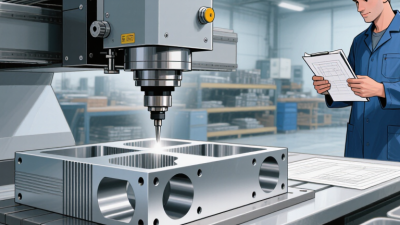
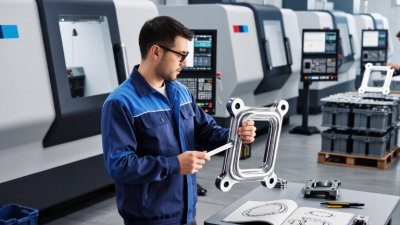
Choosing the best CNC Manufacturing company in China requires more than comparing hourly rates. Global buyers need dependable tolerances, clear communication, and evidence that a supplier can repeat quality across production runs. A polished website is not proof. Ask for material certifications, inspection records, and sample parts with measurable features, such as a 0.02-millimeter bore tolerance or a clean milled edge. These details reveal how a shop handles real work.
Manufacturing expert Shigeo Shingo wrote, “The most dangerous kind of waste is the waste we do not recognize.” His warning applies to sourcing, too: unclear drawings, delayed feedback, and inconsistent inspection can quietly add cost. A capable partner should review CAD files, flag manufacturability concerns, and explain its process before production starts. Look for equipment suited to the part, documented quality controls, and realistic lead times—not promises alone. Ask who checks the first article, how deviations are reported, and whether the supplier can support repeat orders. Details matter. This guide compares Chinese CNC manufacturers through practical criteria, including machining capability, quality systems, communication, and export experience. No shortlist can replace your own checks. Even a strong supplier may miss a requirement if specifications are vague or expectations go unspoken. That is worth remembering.
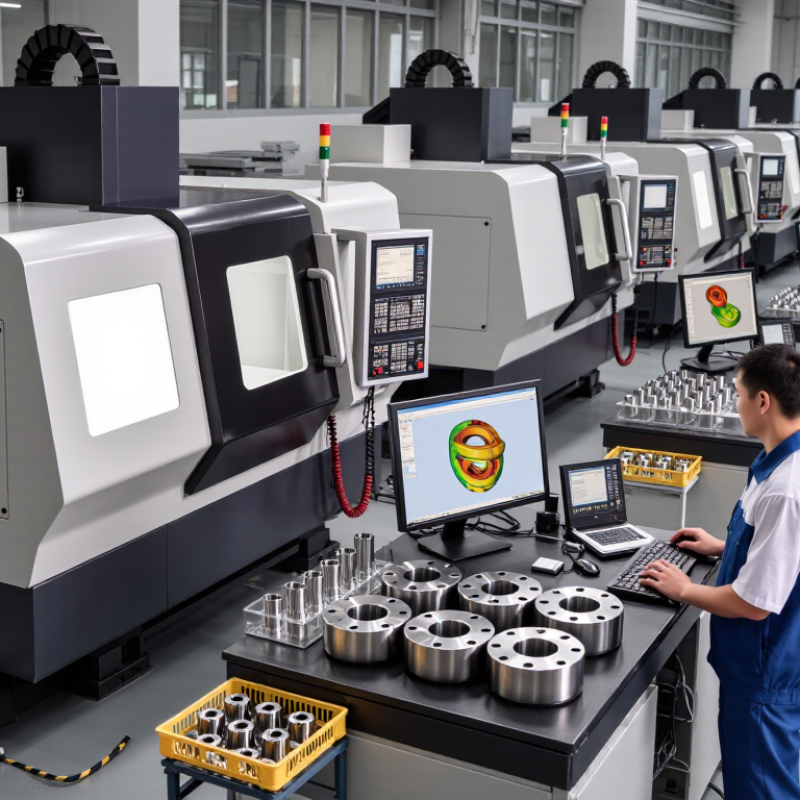
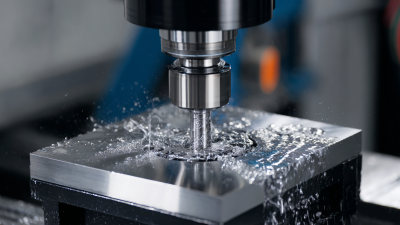
CNC manufacturing in China combines digital design with computer-controlled cutting, turning, and milling. A machine follows programmed tool paths to shape metal or plastic parts. The result depends on more than the machine: material choice, tool condition, fixturing, and inspection all matter. A drawing that specifies a tight tolerance may require extra machining and measurement.
Small details count.
For global buyers, clear technical documents make a practical difference. Share 2D drawings, 3D models, material grades, surface-finish requirements, and critical dimensions. Ask how the shop checks those dimensions, and whether inspection records can accompany the order. A caliper may suit a general feature; a bore gauge or coordinate-measuring machine may be needed for tighter checks. Verify expectations before production, not after parts arrive.
China’s manufacturing network offers varied capabilities, from quick prototypes to larger production runs, but quality and lead times differ between facilities. Request a sample when the design allows, and review it against the drawing rather than appearance alone. Confirm how revisions, packaging, and shipping schedules are handled. That matters. Communication can still miss a detail, even with careful teams. I would treat an unusually low quote as a prompt to clarify material, tolerances, inspection scope, and tooling—not as proof of a problem.
China’s CNC manufacturing industry serves global buyers through dense supplier networks, skilled machinists, and access to materials and finishing services. A buyer can often source milling, turning, surface treatment, and inspection within one region. This can shorten coordination and shipping between production stages. A metal bracket may move from a CNC machine to deburring and dimensional checks without leaving the industrial cluster. Convenient, but not automatic.
This points to a highly automated manufacturing base, though robot figures do not measure CNC quality directly. For overseas buyers, reliable results still depend on drawings, tolerances, material certificates, and inspection records. Ask for a first-article inspection report and photos of the actual measuring setup. A polished sample alone proves little.
Tips: Send a 2D drawing and 3D model, specify critical dimensions, and request a clear tolerance review before production. Check how the supplier handles tool wear and process changes. I would also leave time for one design revision; even a good drawing can miss a practical machining constraint.
Chinese CNC manufacturers serve global buyers through a broad mix of machining capabilities. Common services include CNC milling, turning, drilling, and multi-axis machining for complex parts. Shops may work with aluminum, stainless steel, brass, and engineering plastics. Capabilities vary, though. A quoted tolerance should be checked against the material, geometry, and inspection method, not accepted as a general promise.
Leading suppliers often support automation equipment, electronics, automotive components, medical devices, and industrial machinery. Some handle prototypes and small batches; others focus on repeat production. Look for clear process controls, documented material traceability, and inspection reports. A coordinate measuring machine can verify critical dimensions, while surface-finish checks matter for sliding or sealing parts. A polished sample can still hide process variation. That part deserves a closer look.
Tips: Send a complete drawing, material grade, surface-finish requirement, and annual volume. Ask how first-article inspection is recorded. Confirm packaging and shipping expectations early. If a feature is especially tight, request a manufacturability review before production. Small misunderstandings happen. Good communication reduces them.
A practical capability overview for global buyers evaluating CNC manufacturing suppliers in China.
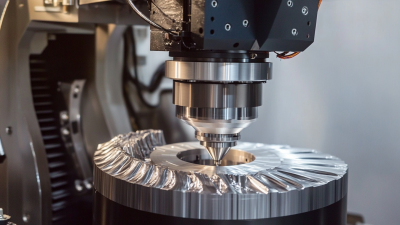
Three-axis mills suit many prismatic parts; four- and five-axis configurations can reach more faces with fewer setups, supporting complex components used in industries such as aerospace, automotive, medical devices, and electronics. Rotary-axis motion and simultaneous machining depend on the machine and controller.
For global buyers, compare CNC suppliers with evidence, not polished brochures. Request the same drawing-based quote from each shop, including material grade, tolerances, surface finish, inspection method, and packaging. The ISO Survey 2022 recorded more than 1.26 million valid ISO 9001 certificates worldwide. A certificate is a starting point, not proof of machining accuracy. Check its scope and expiry date, then ask for calibration records, first-article inspection results, and a sample part measured on a coordinate measuring machine. Small details matter.
Compare total landed cost, not just the unit price. Include tooling, setup, scrap allowances, export packing, freight, and any costs caused by changes. For lead times, request separate dates for samples, production, and dispatch, plus the supplier’s recent on-time delivery rate. The World Bank’s 2023 Logistics Performance Index ranked China 19th among 139 economies. That offers useful context, but it cannot predict one factory’s shipping reliability. Ask how it handles a delayed material batch or a failed inspection. Get the answer in writing. A buyer can still misjudge a low quote; I would treat unexplained price gaps as a reason to ask more questions, not as a bargain.
Choosing a CNC manufacturing partner in China starts with the part, not the sales pitch. Share a clear drawing, material grade, critical dimensions, and expected order volume. Then ask how the shop will hold your tightest tolerances. A capable team should explain its process and flag features that may increase cost or delay production. Specific answers matter.
Look for evidence, not broad promises. Request sample inspection records, equipment details, and examples of similar work, with sensitive customer information removed. Ask how tools are maintained and how measurements are checked during production. For a first order, agree on a sample approval step before releasing the full batch. A smooth sample does not guarantee every part will match. That risk deserves attention.
Communication is part of manufacturing. Send one technical question and notice whether the reply addresses it directly, with drawings or measured values where useful. Confirm who approves design changes, how defects are handled, and what packaging protects parts in transit. Compare quotes line by line; a lower price may exclude inspection or finishing. No shop is flawless. Even a careful evaluation can miss something, so document assumptions and keep the first order manageable.
| Evaluation Dimension | What to Check | Evidence to Request or Verify | Suggested Weight |
|---|---|---|---|
| Engineering and process capability | Whether the supplier can produce the part’s geometry, material, finish, and required production volume. | Review a drawing or model review, proposed machining process, material sourcing plan, and examples of comparable work. Confirm capability for milling, turning, multi-axis machining, or other processes required by the part. | 15% |
| Quality management | How quality requirements are controlled from incoming material through final inspection. | Request the quality-management certificate, if applicable, and verify its validity, issuing body, and site or scope. Ask for inspection procedures, nonconformance handling, and sample inspection records. | 15% |
| Measurement and inspection | Whether inspection equipment and methods suit the part’s dimensions and tolerances. | Ask for an inspection plan and a sample dimensional report. Confirm that measuring equipment is suitable for the specified features and has current calibration records. Agree on acceptance criteria before production. | 12% |
| Materials and traceability | Whether the supplied material matches the drawing or purchase specification and can be traced when required. | Specify the material grade and applicable standard. Request material certificates or test reports when required, and confirm how batch or heat numbers are linked to finished parts. | 10% |
| Production capacity and planning | Whether available equipment, staffing, and scheduling can meet the required quantity and delivery plan. | Request a project-specific capacity and lead-time plan, including setup, production, inspection, and finishing stages. Confirm how schedule changes and bottlenecks are communicated. | 10% |
| Quotation transparency | Whether pricing clearly identifies the scope, assumptions, and potential extra charges. | Compare quotes on the same drawing revision, material, quantity, finish, inspection level, packaging, and shipping terms. Request separate tooling, setup, finishing, and freight costs where applicable. | 10% |
| Communication and documentation | Whether technical questions, revisions, and production updates are handled clearly and promptly. | Agree on a primary contact, response expectations, drawing-revision control, and reporting frequency. Check that purchase orders, approvals, and inspection records can be exchanged in an agreed language and format. | 8% |
| Prototyping and first-article approval | Whether the supplier can validate the process before full production when the project requires it. | Define sample quantity, inspection scope, approval criteria, and responsibility for sample costs. Require written approval of the relevant drawing revision before releasing production. | 8% |
| Packaging and export readiness | Whether parts can be protected, identified, and shipped according to destination and handling requirements. | Specify corrosion protection, separation of finished surfaces, labeling, carton or pallet requirements, and shipping documents. Confirm packaging details and delivery terms in the purchase agreement. | 6% |
| Risk management and continuity | Whether the supplier has practical controls for disruptions, subcontracting, and changes to the production process. | Ask how production changes and outsourced operations are approved and tracked. Identify critical process steps, backup arrangements, and notification requirements for changes affecting form, fit, function, or delivery. | 6% |
How to use this table: Apply the suggested weights to compare shortlisted suppliers using the same project scope and evidence standard. Treat certifications, capability claims, lead times, and quotations as items to verify for the specific facility and order; do not rely on a certificate or claim alone.
5107 County Road C
Manitowoc, WI 54220
920-726-4526