What Are the Best Electric Motorcycle Wheels in 2026?
Choosing the best Electric Motorcycle Wheels in 2026 means looking beyond appearance. A polished rim can still be the wrong fit. Riders should compare wheel diameter, rim width, axle dimensions, load rating, and brake compatibility with their motorcycle’s specifications. These details affect handling, tire fit, and safe installation. Small mismatches matter.
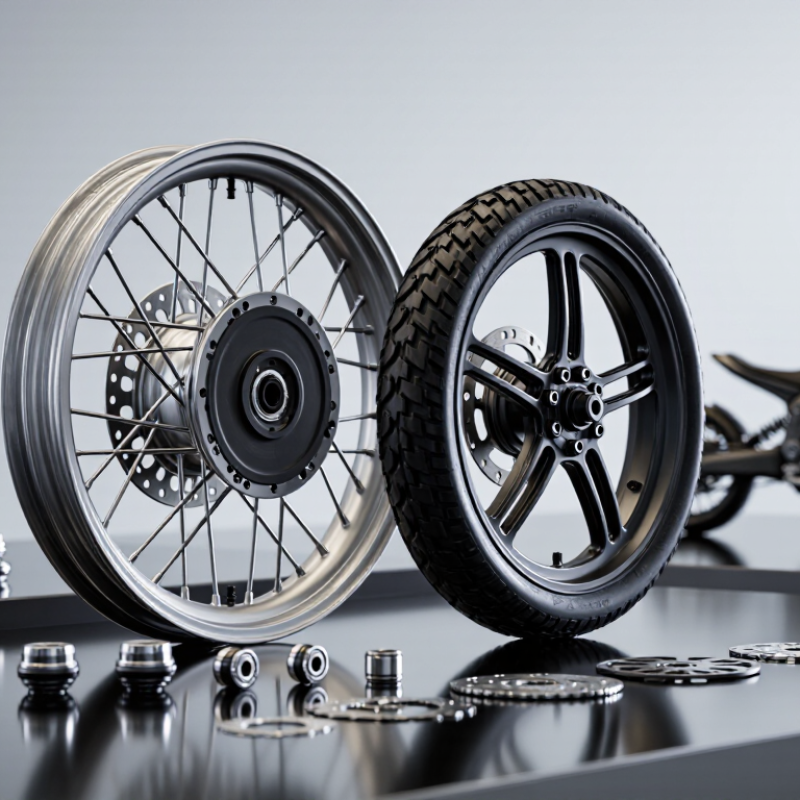
This guide will examine wheel options through practical criteria: construction materials, spoke or cast designs, hub-motor compatibility, and resistance to everyday wear. Aluminum wheels can offer a useful balance of weight and strength, while spoke wheels may suit riders who value serviceability on rougher routes. Neither design is automatically better. Check manufacturer documentation, not just product photos or sales claims. Look for clear specifications, warranty terms, and replacement-part availability. If those details are missing, pause.
Riding conditions deserve equal attention. A commuter facing rain, potholes, and frequent stops has different needs from a rider traveling mainly on smooth roads. Tire choice, brake clearance, and the motorcycle’s total permitted load should guide any comparison. Real-world reviews can help, but one rider’s experience is not universal. That is worth remembering. Even a well-reviewed wheel may perform differently with another tire, motor, or riding style. The sections ahead will explain which features deserve priority, how to check compatibility, and where budget options may involve trade-offs. No wheel is perfect for every bike.
How Electric Motorcycle Wheels Affect Performance, Handling, and Safety
In 2026, the best electric motorcycle wheel is not simply the lightest one. Wheel mass affects acceleration, braking response, and how quickly the suspension follows rough pavement. A lighter rim can reduce rotating and unsprung mass, but strength and correct fit still matter. Rim width also shapes tire profile and contact behavior. Get that pairing wrong, and steering may feel vague. Small details matter.
Wheel safety depends on more than material. A cracked rim, loose spokes, or damaged bead can compromise tire pressure and stability, especially under an electric motorcycle’s weight and instant torque. NHTSA’s 2023 Traffic Safety Facts reports 6,335 motorcyclist fatalities in the United States that year. The report does not attribute those deaths to wheel failures, but it underscores the stakes of sound maintenance. There is no magic wheel.
Tips: Check the wheel for bends, cracks, corrosion, and loose spokes during routine inspections. Follow the motorcycle maker’s wheel and tire size limits, and check pressure when tires are cold. After a hard pothole strike, inspect the rim and tire before riding far. A quick visual check can miss hidden damage, so seek a qualified inspection if handling changes.
Which Wheel Materials and Designs Suit Different Riding Conditions?
For smooth commuting, a cast-aluminum wheel is a practical balance of weight, stiffness, and cost. ASM International’s Metals Handbook lists typical densities of about 2.70 g/cm³ for aluminum and 7.85 g/cm³ for steel. These are material values, not finished-wheel weights; spoke count, hub design, and rim thickness also matter. Less rotating mass can help acceleration and handling, but durability should not be traded away for a lighter number.
On broken pavement or gravel, a properly tensioned spoked wheel can flex slightly and may be easier to repair after a localized impact. Check the wheel’s load rating, spoke condition, and tire compatibility. For powerful electric motorcycles, also confirm that the hub and spokes are designed for the motor’s torque. Forged aluminum can suit riders seeking a strong, rigid wheel, though a hard impact may still damage it. Carbon-composite wheels are light, but inspect them carefully after impacts; hidden damage is possible. I would not choose by material alone.
Tips: Match the wheel to your route, rider-and-cargo load, and tire. After rough rides, check for cracks, loose spokes, and wobble. A lighter wheel is not automatically the safer wheel.
How to Evaluate Electric Motorcycle Wheels in 2026
How to Evaluate Electric Motorcycle Wheels in 2026
The IEA’s Global EV Outlook 2024 reports nearly 10 million electric two- and three-wheelers sold worldwide in 2023. That growth makes careful wheel evaluation increasingly important, but sales figures do not identify the best wheel. Start with your motorcycle’s service manual. Check rim diameter and width, axle size, offset, hub fit, and brake-disc mounting. Every measurement must match.
For an electric motorcycle, confirm that the wheel and hub suit the motor’s torque and expected load. Compare the wheel’s load rating with the vehicle’s specifications, including rider and cargo weight. Inspect for cracks, corrosion, and damaged spoke seats. A dial indicator can reveal radial or side-to-side runout; compare readings with the manual’s limits, not a guessed universal threshold. I would not treat low weight as an automatic advantage. That shortcut is tempting, but durability and fit matter more.
Tips: Measure twice. Verify tire size and brake alignment before installation. Keep the wheel’s specification sheet and inspection notes. A small mismatch can cause vibration or uneven tire wear.
Which Wheels Stand Out for Commuting, Touring, and Off-Road Riding?
For commuting, the best electric motorcycle wheels are usually the ones that shrug off potholes and stay easy to maintain. A sturdy cast wheel can suit smooth city streets, while a spoked wheel may better tolerate sharp impacts when properly built. Tubeless tires can simplify small puncture repairs, but compatibility depends on the rim and tire. Check load ratings, not just appearance. A heavy battery changes what each wheel must carry.
Touring brings different demands. Stable handling, dependable tire availability, and comfortable behavior with luggage matter more than shaving every gram. A wheel that works well unloaded may feel less composed with a passenger and packed bags. Match tire dimensions to the motorcycle’s approved fitment, and inspect wheel runout and spoke tension when applicable. Small details count. Published specifications help, but they rarely show how a setup feels on rough pavement.
For off-road riding, a larger front wheel can roll over rocks and ruts more readily, while a smaller rear wheel may allow a taller tire with useful grip. Those layouts are common, not universal. Strong rims and tires with suitable sidewalls matter on loose trails, yet extra strength can add weight. That trade-off is easy to underestimate. Choose for the terrain you actually ride, and have a qualified technician check fit, clearance, and wheel condition before changing sizes.
How to Check Wheel Fit, Brake Compatibility, and Load Ratings Before Buying
When comparing electric motorcycle wheels in 2026, check the measurements against your motorcycle’s service manual. Match axle diameter, hub width, rim diameter, and rim width. A few millimeters can affect fork clearance or chain alignment. Small gaps matter. Also compare the tire size and rim profile; a tire that mounts successfully may still be unsuitable for the rim.
Brake compatibility needs more than matching rotor diameter. Confirm the rotor’s bolt pattern, mounting offset, and position relative to the caliper. Check clearance around the caliper, ABS sensor, and tone ring, if fitted. Do not guess. A wheel can appear to fit while leaving the rotor slightly misaligned. Recheck the figures using reliable specifications, since measuring a loose wheel may not reveal installed clearances.
Before buying, find the wheel’s stated load rating and compare it with the motorcycle’s expected loaded weight, including rider, passenger, and cargo. The tire rating is separate; it does not confirm the wheel’s capacity. If the wheel documentation gives no rating, ask the seller or a qualified motorcycle technician before ordering. I would not treat a matching bolt pattern as proof of compatibility. Small details are easy to miss.






