


Stecker Machine Blog

10 Best Wall Cladding Panels for Global Buyers

Choosing the right Wall Cladding Panels can influence a building’s appearance, durability, comfort, and maintenance costs. Global buyers must look beyond attractive textures and low prices. Climate, installation methods, fire performance, moisture control, and long-term support all deserve careful attention. A panel that performs well in a dry climate may struggle beside a coastal site with salt air and driving rain.

Building-science expert Joseph Lstiburek has explained, “The perfect wall has to control rain, air, vapor, and heat.” This principle remains highly relevant when comparing cladding systems. Panels are not isolated decorations. They form part of a larger wall assembly, including membranes, insulation, fixings, joints, and ventilation cavities. Small installation gaps can become large repair problems.

Details matter.

This guide reviews ten practical Wall Cladding Panels options for international buyers. It considers material composition, visual flexibility, weather resistance, installation demands, and expected maintenance. It also recognizes an uncomfortable truth: no single panel suits every building, region, or budget. Some products look impressive but require highly skilled installation. Others offer reliable performance but limited design choices.

The evaluation draws on common building-envelope principles, manufacturer information, and real project considerations. Buyers should still confirm current technical data, local project requirements, and qualified installation advice before ordering. Product labels can be confusing. Marketing language can be even worse. A careful comparison helps separate useful performance from attractive promises.
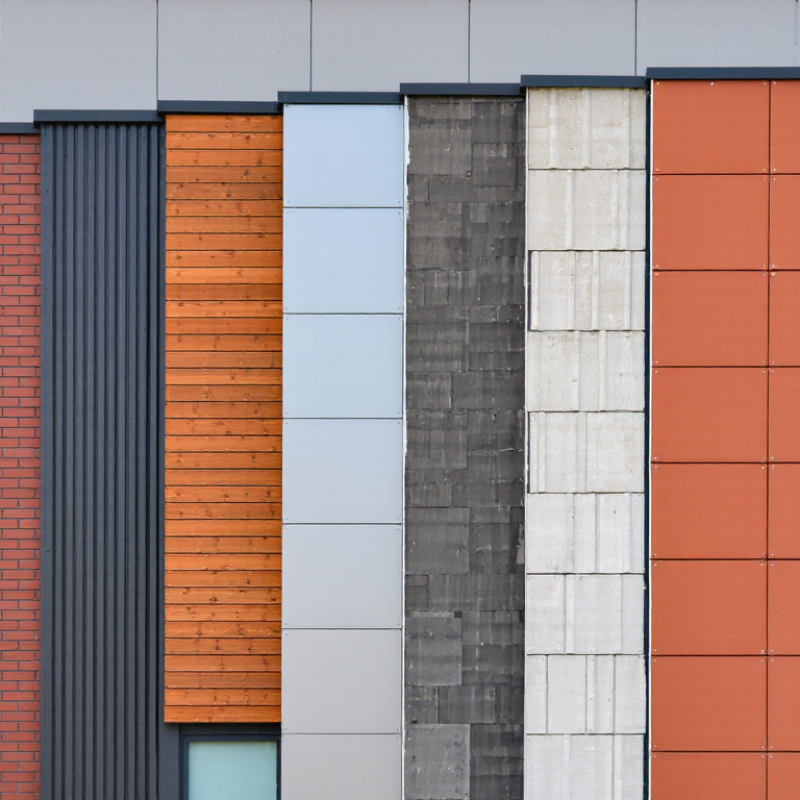
10 Best Wall Cladding Panels for Global Buyers

What Wall Cladding Panels Are and How They Protect Building Surfaces

Wall cladding panels are protective layers fixed over exterior or interior wall surfaces. They may use fiber cement, metal, engineered wood, stone composite, or moisture-resistant polymers. Their main role is not decoration alone. A well-designed panel system helps shield walls from rain, sunlight, wind-blown dust, and minor impacts.

On renovation projects, the difference is often visible around window edges and lower wall sections. These areas receive more water and dirt. Properly installed panels create a ventilated cavity or sealed surface, depending on the system. This can reduce moisture buildup behind the cladding. However, panels cannot correct a leaking roof or damaged structure. The wall must be inspected first. Small errors matter.

Global buyers should check panel thickness, fastening methods, thermal movement, and fire performance. Coastal buildings may need corrosion-resistant fixings. Cold regions require attention to freeze-thaw cycles. Hot climates need stable colors and expansion gaps. Installation manuals should match local building requirements and weather conditions. Independent test reports are useful, but they do not replace site assessment.

A panel can perform well in a laboratory and still fail after poor cutting or blocked drainage paths. Experienced contractors measure joints carefully, protect exposed edges, and keep water moving away from the wall. Some projects still overlook maintenance access. That is an avoidable weakness.

How to Compare the Main Types of Wall Cladding Panels

Choosing among the 10 best wall cladding panels depends on climate, building use, installation skill, and maintenance expectations. No panel wins every project. Fiber cement handles rain, sunlight, and moderate impact well, but its weight can raise shipping and labor costs. Metal panels are lightweight and recyclable, yet coastal buyers should check corrosion protection carefully.

Wood panels provide warmth and natural texture. They need regular sealing, especially in humid regions. WPC panels resist moisture and insects, although color changes may appear after prolonged sun exposure. PVC panels are easy to clean and often economical, but their fire performance and temperature stability require close review. HPL panels offer many finishes and strong surface resistance, while stone veneer and brick slips create a solid appearance with added structural demands.

For wet interiors, ceramic panels can simplify cleaning around kitchens or washrooms. In colder areas, insulated composite panels may improve thermal performance, but buyers must verify fire ratings and joint design. Ask for test reports, installation manuals, sample pieces, and warranty terms before comparing prices. Check the full delivered cost, not only the factory quotation.

Small details matter. A dark panel can become very hot under direct sunlight. Poorly sealed edges can allow water behind the facade. I have seen attractive specifications fail because installers lacked compatible fasteners. That is an uncomfortable lesson. Local codes, wind loads, fire rules, and available replacement parts should shape the final choice.

Key Materials Used in Wall Cladding and Their Performance

Wall cladding selection begins with material performance, not appearance. The 2024 Global Status Report for Buildings and Construction reports that buildings consumed about 32% of global energy in 2022. Cladding cannot solve operational inefficiency alone, but it can support better thermal control.

Fiber-cement panels offer dimensional stability, moisture resistance, and non-combustible performance when tested under relevant fire standards. Metal panels are lightweight and recyclable, yet thermal bridges can reduce their real-world value. A continuous insulation layer is essential.

Terracotta provides durable rainscreen protection and strong color retention, but its weight demands careful structural design. Natural stone performs well outdoors, although quarrying and transport can increase embodied carbon.

Performance varies greatly.

High-pressure laminate panels provide many finishes and fast installation. Their edges require disciplined sealing in wet climates. Wood-based panels can reduce visual harshness, but moisture detailing must be exact.

The World Green Building Council identifies embodied carbon as a major concern in construction, while environmental product declarations help buyers compare impacts across materials. Reported results depend on declared system boundaries, transport distances, and service life assumptions.

On-site inspections often reveal the same weakness: a good panel installed poorly. Fixings, joints, drainage cavities, and fire barriers deserve equal attention. ASTM and EN test results improve reliability, but laboratory performance is not identical to site performance. I would question any specification promising maximum durability, low carbon, and low cost simultaneously. Trade-offs remain.

How to Choose Wall Cladding Panels for Different Building Needs

10 Best Wall Cladding Panels for Global Buyers

How to Choose Wall Cladding Panels for Different Building Needs

Choosing wall cladding panels starts with the building’s exposure, not its appearance. Coastal projects need corrosion resistance and secure fixings for salt-laden wind. Cold regions need continuous insulation and carefully sealed joints. In hot climates, light-colored surfaces can reduce solar heat gain, but the result depends on orientation and ventilation.

Energy performance deserves close attention. The 2024 Global Status Report for Buildings and Construction, published by UNEP and GlobalABC, states that buildings consumed 32% of global energy in 2022 and produced 34% of global CO2 emissions. Select panels with verified thermal data, durable insulation, and documented environmental information. Do not trust vague “green” claims. Check declared U-values, recycled content, service life, and installation waste.

Safety and maintenance often decide the real cost. Confirm fire classification under the destination market’s code, such as EN 13501-1 or ASTM E84 where applicable. Review water absorption, impact resistance, color stability, and cleaning requirements. A lightweight panel may reduce structural loads, yet fragile edges can create expensive site repairs. That detail is easy to miss.

Ask for independent test reports.

A practical specification should compare panel weight, fixing systems, warranty limits, and replacement access. The cheapest option may fail when labor, scaffolding, and transport are included. My own view is imperfect: sustainability scores are useful, but local workmanship can matter just as much. A well-documented panel still performs poorly when joints are rushed or drainage paths are blocked.

Installation, Maintenance, Cost, and Global Sourcing Considerations

10 Best Wall Cladding Panels for Global Buyers

Installation, Maintenance, Cost, and Global Sourcing Considerations

Choosing wall cladding panels requires more than comparing surface finishes. Installation access, substrate condition, fire performance, and local weather all affect the final result. In practice, lightweight fiber-cement, aluminum, HPL, stone veneer, insulated metal, and composite panels can reduce handling time. However, each system needs compatible rails, fasteners, seals, and movement joints. A beautiful panel can fail when installers ignore moisture paths.

Energy performance deserves attention. The International Energy Agency reported in its Buildings 2024 report that building operations consume about 30% of global final energy. Insulated panels may therefore reduce heat transfer, but their benefit depends on correct joints and thermal bridging control. Maintenance should include annual checks for cracked sealant, loose fixings, stains, and trapped water. It is rarely expensive to inspect early. Delayed repairs are different.

Total cost includes samples, engineering, packaging, ocean freight, customs, inland delivery, labor, and replacement stock. UNCTAD’s Review of Maritime Transport 2023 notes that ships carry over 80% of global merchandise trade by volume, yet freight schedules remain exposed to disruption. Buyers should request landed-cost quotations and verify test reports independently. I would not pretend the cheapest panel is best. A lower purchase price may hide difficult cutting, higher breakage, or scarce local installers. Product data sheets also need careful review; some specifications look precise but omit the tested assembly, which is where decisions become imperfect.