How to Choose Molybdenum Heater Elements for Your Project?
molybdenum heater elements play a critical role in high-temperature applications. Industries like aerospace and semiconductor manufacturing often rely on these components. Reports indicate that the demand for molybdenum components is expected to grow by 6% annually. This growth reflects the material's superior thermal conductivity and high melting point, which enhance operational efficiency.
Choosing the right molybdenum heater elements involves understanding various factors. Not all elements are created equal. Each project has unique requirements related to temperature ranges and environmental conditions. Industry standards emphasize the importance of material purity and dimensional accuracy. Molybdenum is durable but can be costly. Evaluating the long-term benefits versus initial costs is vital for successful choice.
Project managers must reconsider their selections carefully. Recent data shows that improper element selection could lead to premature failures. Attention to detail in specifications can prevent costly downtime. Engaging with reliable suppliers and seeking expert advice is essential in this intricate process.
Understanding Molybdenum Heater Elements and Their Applications
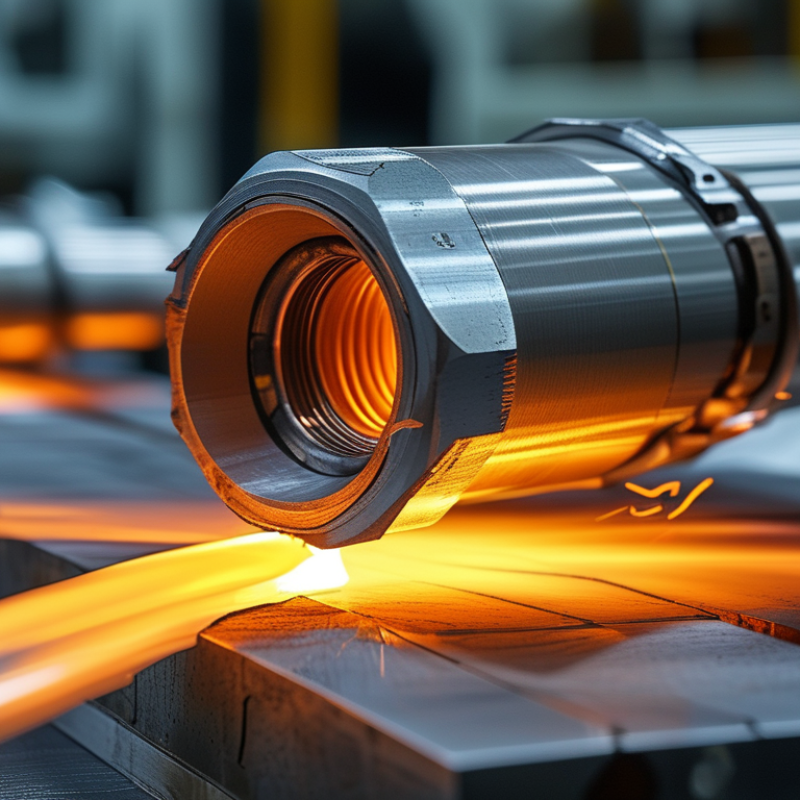
Molybdenum heater elements play a crucial role in high-temperature applications. These elements are favored in industries like aerospace and semiconductor manufacturing. Their ability to withstand extreme temperatures, often exceeding 2,500°C, makes them ideal for processes that require high thermal efficiency. Recent reports indicate that the global market for molybdenum heaters is projected to grow significantly, driven by advancements in material science and technology.
Choosing the right molybdenum heater involves understanding its specific applications. For instance, in the semiconductor industry, precise temperature control is vital. Molybdenum elements provide uniform heating, which is essential for achieving quality results in crystallization and deposition processes. Studies have shown that using high-purity molybdenum leads to improved performance and longer service life.
When selecting molybdenum heater elements, consider their thermal expansion and electrical resistance. While these factors can enhance efficiency, they also present challenges. A mismatch between the heater element and the system can lead to inefficiencies. Regular checks and adjustments are necessary to ensure optimal performance. These aspects underscore the importance of understanding both the advantages and potential drawbacks of molybdenum heater elements before finalizing your choice.
Key Properties of Molybdenum in Heating Elements: Thermal and Electrical Conductivity
Molybdenum's unique properties make it an exceptional choice for heater elements. Its high thermal conductivity allows for efficient heat transfer, which is critical for high-performance applications. According to recent industry reports, molybdenum conducts heat at around 138 watts per meter Kelvin, outperforming many traditional materials. This efficient heat distribution means that systems using molybdenum can achieve rapid temperature increases with minimal energy waste.
Electrical conductivity is another key factor. Molybdenum possesses excellent electrical conductivity, making it ideal for use in electric heating elements. Research indicates its resistivity is approximately 5.6 micro-ohm centimeters, which enhances energy efficiency. This property helps maintain consistent heating across various applications, from industrial furnaces to laboratory equipment. The ability to withstand extreme conditions adds to its appeal, though challenges such as brittleness at low temperatures require careful handling.
When selecting molybdenum heater elements, one must consider material thickness and geometry. Optimal design can sometimes lead to unexpected inefficiencies. It's essential to reflect on whether the chosen dimensions truly maximize the thermal load capacities. Delving into process parameters may reveal that not all configurations achieve the expected thermal uniformity, making further optimization necessary.
How to Choose Molybdenum Heater Elements for Your Project?
| Property | Molybdenum Value | Importance in Heating Elements |
| Melting Point | 2623 °C (4753 °F) | High melting point allows for operation at extreme temperatures. |
| Thermal Conductivity | 138 W/m·K | Efficient heat transfer; reduces energy loss. |
| Electrical Conductivity | 9.8×10⁶ S/m | Excellent conductivity enhances heating efficiency. |
| Density | 10.22 g/cm³ | High density contributes to durability and stability. |
| Creep Resistance | Good | Maintains integrity under prolonged thermal stress. |
| Corrosion Resistance | Moderate | Should be considered for long-term usage in harsh environments. |
Factors to Consider When Selecting Molybdenum Heater Elements for High-Temperature Use
When selecting molybdenum heater elements for high-temperature applications, several critical factors come into play. Molybdenum elements are known for their excellent thermal stability and ability to withstand extreme conditions, withstanding temperatures up to 3,200 °F (1,760 °C). This makes them suitable for industries such as aerospace and semiconductor manufacturing, where precision and reliability are paramount.
Temperature distribution is crucial in high-temperature operations. Uneven heating can lead to premature failure of heating elements. According to a recent industry report, nearly 25% of heating element failures are due to improper temperature control. Ensuring uniform heating can enhance the lifespan of molybdenum elements. Consider the thermal expansion coefficients as well. Molybdenum has a relatively low thermal expansion rate, minimizing distortions during heating cycles. However, this does not eliminate the risk of mechanical stresses.
Installation environment is another crucial aspect. Molybdenum can oxidize at high temperatures in air. An inert atmosphere helps preserve element integrity. Additionally, choose the appropriate size and shape based on the application. Standard sizes often don't fit specific requirements. Data shows that customized solutions can increase thermal efficiency by up to 30%. Balancing these factors requires careful planning and expert knowledge. In practice, ongoing observation is essential to adapt to changing operational needs.
Comparing Molybdenum with Other Material Options for Heater Elements
When considering heater element materials, molybdenum stands out due to its unique properties. It can withstand high temperatures, making it suitable for applications requiring intense heat. Molybdenum elements also offer good thermal conductivity. This can enhance energy efficiency in heating applications. However, it's essential to evaluate alternatives as well.
Ceramic and tungsten are common substitutes. Ceramic elements have excellent thermal resistance but typically offer lower conductivity. Tungsten, on the other hand, also has high melting points but tends to be more brittle than molybdenum. Users may find that tungsten isn't suitable for all high-heat applications. Understanding the specific requirements of the project is crucial.
Some projects may require durability in extreme environments. In contrast, others may prioritize cost-effectiveness. Testing the materials under expected conditions can provide valuable insights. This approach allows room for improvement and adaptation. Each material can perform differently based on the application. Ultimately, the choice of heater element should align with project goals and environmental factors.
Cost Analysis: Molybdenum Heater Elements vs. Alternative Materials in Projects
Molybdenum heater elements are often praised for their high melting point and durability, making them a preferred choice in high-temperature applications. When it comes to cost, a comparison with alternative materials reveals significant differences. According to industry reports, molybdenum's performance justifies its higher price due to its excellent thermal conductivity and resistance to oxidation. However, alternatives like tungsten or ceramics might have lower initial costs, but they can exhibit higher failure rates over time.
Projects that require consistent and reliable heating should consider long-term expenses. Molybdenum often leads to lower maintenance costs, as its lifespan can surpass that of cheaper materials. A recent study showed that using molybdenum could reduce lifecycle costs by up to 30% compared to other options. This highlights the value of investing in quality materials upfront.
Consider the specific needs of your project. Analyze operational temperatures and replacement cycles. Understand that cheaper alternatives may lead to higher failure rates and replacement costs. Not all projects require the high-performance features of molybdenum, but for those that do, the long-term savings become apparent. Keep all these factors in mind to avoid costly oversights in material selection.
Cost Analysis of Molybdenum Heater Elements vs. Alternative Materials