How to Choose the Right Passive Direct Attach Cable for Your Network?
Choosing the right Passive Direct Attach Cable for your network is crucial. Many options exist, often leading to confusion. High-quality cables impact performance and reliability significantly.
Passive Direct Attach Cables serve specific purposes in network environments. They are cost-effective and reduce latency. However, selecting the wrong cable can hinder network efficiency. It may result in unexpected downtime.
Consider factors like cable length and performance ratings when making your choice. The environment also matters. Poor choices can lead to signal degradation. Reflecting on past experiences can guide better decisions. Proper analysis ensures optimal network configuration.
Understanding Passive Direct Attach Cables and Their Applications
Passive direct attach cables (DACs) are crucial for high-speed data transfer in networks. They are typically used in data centers, routers, and switches. These cables offer a cost-effective solution for short-distance connections. Understanding their features and applications can help you make informed decisions.
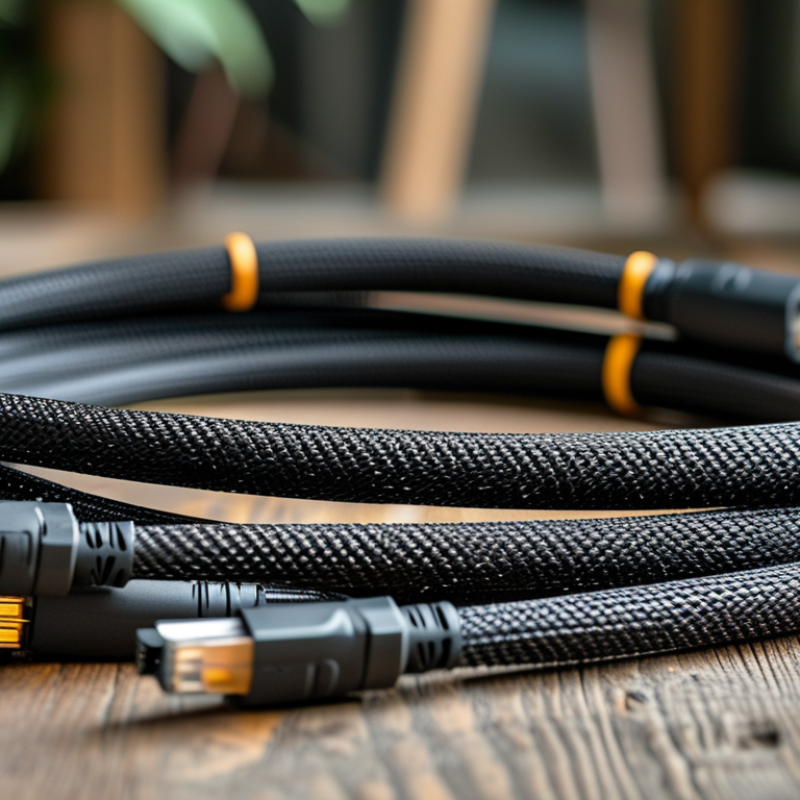
DACs consist of twin-axial cables with connectors on both ends. This design allows for lower latency and reduced power consumption compared to traditional cables. They are ideal for spaces where cable management is a concern. Additionally, they can support data rates up to 100 Gbps, making them suitable for demanding applications. However, they are most effective over shorter distances, typically up to 7 meters.
Choosing the right DAC involves assessing your specific needs. Consider the distance between devices and the required bandwidth. You might find that some applications may require more flexibility in cable length or additional shielding for better performance. Reflecting on these factors will lead to a better choice. Not every DAC will fit every network scenario, so critical evaluation is necessary.
Identifying Your Network's Bandwidth and Distance Requirements
When selecting passive direct attach cables (DACs) for your network, understanding bandwidth and distance is crucial. The right specifications can enhance performance and reduce latency. According to the Ethernet Alliance, most data centers require cables that support 25GbE, 40GbE, and 100GbE connections. This is vital for high-speed environments demanding reliable data transfer.
Bandwidth typically dictates the distance capabilities of DACs. For instance, a 10GbE DAC performs well at distances up to 7 meters, while a 25GbE might reach up to 30 meters. These measurements are critical. If your equipment is spread over long distances, you may encounter signal degradation. Research indicates that nearly 40% of frequent network issues are attributed to improper cable selections.
It's essential to assess not only the speed needs but also the physical layout of your network. Indoor cabling scenarios permit shorter lengths, enhancing performance. In contrast, outdoor setups must consider environmental factors that could impact transmission. Choosing DACs without considering these variables can result in costly network failures. Always review your current and future bandwidth needs before making a decision. This awareness is key to avoiding problematic connectivity issues.
Evaluating Cable Specifications: Length, Gauge, and Connector Types
Selecting the right passive direct attach cable requires careful evaluation of specific features. The cable's length is crucial. Too short, and you may face connectivity issues. Too long, and you risk signal degradation. Consider your network layout. Measure distances to ensure you choose a suitable length that minimizes excess cable.
Gauge is another important factor. It determines the cable's ability to carry signals without loss. A lower gauge indicates a thicker cable, which generally offers better performance. However, thicker cables may be less flexible and harder to manage. Assess the trade-off between flexibility and performance for your setup.
Connector types also play a significant role. Each type can influence compatibility and performance. Ensure your chosen connectors match your equipment and are suitable for the distance and environment. Some connectors may offer enhanced durability or ease of use.
Reflect on your network's unique needs. What works for one setup may not suit another. Be open to experimenting with different configurations. Monitor performance and make adjustments as necessary. This can help you optimize your network and improve reliability over time.
Comparing Different Brands and Models of Passive Direct Attach Cables
When selecting passive direct attach cables (DACs), it's essential to compare different brands and models. Various manufacturers offer DACs with unique specifications. These differences can affect performance and compatibility with your networking equipment. Look at data rates, reach, and connector types when evaluating options. Compatibility with your existing hardware should be a priority.
A crucial tip is to check the cable length you need. Shorter cables reduce signal loss and are often less expensive. However, using overly long cables can hinder performance. Pay attention to the data center's layout. Sometimes, a slightly longer cable can save on potential disruptions during installation.
Another important factor is the quality of the materials used. Cheaper cables may save you money, but they could introduce latency or signal integrity issues. Consider using cables from reputable manufacturers known for longevity and reliability. Sometimes, cheaper options can lead to more significant costs over time due to failures.
In testing cables from different brands, consider setting up a controlled environment. This allows for direct comparisons of performance. If possible, try a few different options to see what works best for your specific needs. A hands-on approach often clarifies what specifications matter most for your networking environment.
Comparison of Passive Direct Attach Cable Performance
Assessing Cost-Effectiveness and Warranty Considerations for Cables
When selecting passive direct attach cables (DACs), a critical aspect to explore is cost-effectiveness. DACs are generally cheaper than active optical cables. Reports indicate that the average savings can reach up to 40% over time with proper usage. However, it’s vital to consider potential hidden costs, such as installation and compatibility issues. Not all DACs are created equal. Choosing the wrong type can lead to increased network downtime or inefficiencies.
Warranty considerations also play an essential role. A robust warranty can indicate a manufacturer’s confidence in their product. Some industry studies reveal that cables with at least a three-year warranty tend to outperform their cheaper counterparts in reliability. Warranties that cover certain types of damage further support the investment in higher-quality cables. Investing in cables with solid warranty backing may save money in the long run.
Ultimately, thorough research is required. The balance between upfront costs and long-term benefits is complex. Organizations need to evaluate their specific requirements and future growth. While a lower price may be attractive, it can lead to compromises in quality. A careful approach will ensure that the chosen DACs satisfy current and future networking needs.