920-726-4526



Choosing a Sheet Metal Top Cover supplier is about more than finding the lowest quote. The cover may protect sensitive components, control access, and shape the finished product. Small details matter. A poorly aligned mounting hole, rough edge, or inconsistent finish can create problems during assembly. The right supplier should understand how the part will be used, not just how it looks on a drawing.
A practical evaluation starts with manufacturing capability. Ask how the supplier handles material selection, cutting, bending, welding, and surface finishing. Request samples or clear photos of comparable work. Check hole positions, bend angles, edge quality, and coating consistency. These details reveal more than a polished sales presentation. It also helps to confirm how prototypes, design changes, and production inspections are managed. Clear answers are a good sign. Vague promises are not.
Price and lead time still matter, but they need context. Compare quotes against the same material grade, thickness, finish, tolerances, and order quantity. A lower price may leave out packaging or inspection steps. That is easy to miss. Ask for written specifications and realistic delivery estimates before committing. Supplier selection is rarely perfect; even a thorough review cannot prevent every delay or revision. Still, checking communication, quality controls, and technical fit can reduce avoidable surprises. This guide outlines the questions and evidence that help buyers choose a dependable Sheet Metal Top Cover supplier with greater confidence.
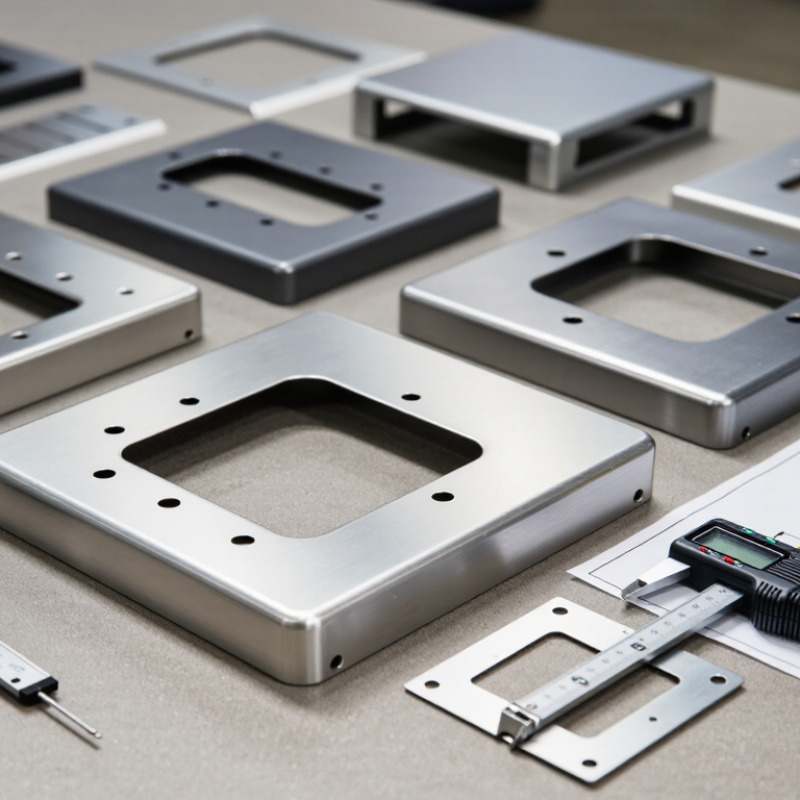
Before comparing suppliers, define what the sheet metal top cover must do. Is it mainly a protective lid, a visible enclosure surface, or a mounting panel? That choice affects material, thickness, finish, and forming method. A cover exposed to moisture may need corrosion-resistant material or a suitable coating. A cover near warm components needs clearance for heat and airflow. Small details matter.
Record the finished dimensions, mounting points, cutouts, and acceptable tolerances on a drawing. Include hole diameters and locations, bend angles, edge conditions, and any areas that must remain free of scratches. Specify the operating environment, expected loads, and how the cover will be cleaned. Photos of the assembly can clarify details that drawings miss, especially cable routes and nearby fasteners. Not always.
One mistake I still see is choosing a finish before checking how the part will be handled and assembled. A glossy surface may show fingerprints; a tight bend may mark the coating. Ask suppliers how they inspect dimensions and finish, and request a sample when appearance is critical. Even a detailed specification can overlook a small interference, so review the cover against the actual assembly before approving production.
| Requirement Area | Details to Define | Example Starting Specification | How to Verify with the Supplier |
|---|---|---|---|
| Application and environment | Where the cover will be used and its exposure to moisture, chemicals, heat, dust, or impact. | Indoor equipment enclosure; non-corrosive environment; operating temperature and required ingress protection stated on the drawing. | Provide the application description and ask the supplier to identify any material or finish limitations. |
| Material and grade | Specify the base metal, grade, and any required material standard or certification. | Cold-rolled low-carbon steel for painted indoor use, or a suitable stainless steel grade where corrosion resistance is required. | Request material certificates or traceability records when required by the project. |
| Sheet thickness | Define nominal thickness and permissible variation based on stiffness, weight, forming, and fastening needs. | Example only: 1.0 mm nominal steel sheet; confirm the suitable thickness through design review and load testing. | Ask how thickness is measured and specify the applicable material standard and tolerance on the drawing. |
| Dimensions and tolerances | Identify overall length, width, height, bend locations, hole positions, and critical fit dimensions. | Dimension the part on a controlled drawing; apply tighter tolerances only to features that affect assembly or function. | Review the supplier's inspection plan and confirm measurement methods for critical dimensions. |
| Forming and edge details | Define bend angles, inside radii, hems, flanges, corner reliefs, and edge-safety requirements. | Use bend radii compatible with the selected material and thickness; deburr exposed edges and remove sharp burrs. | Request a manufacturability review and inspect a first article for form, edge condition, and fit. |
| Openings and hardware | Specify cutouts, slots, ventilation patterns, mounting holes, fasteners, and any required pressed-in hardware. | Show hole sizes, locations, and positional tolerances on the drawing; identify hardware type and installation direction. | Confirm hardware installation capability and check hole alignment and retention on sample parts. |
| Surface finish and appearance | State coating type, color, gloss, texture, visible-face requirements, and acceptable cosmetic defects. | Powder coating or another specified finish for suitable steel parts; define color by an agreed color reference and sample. | Approve a finish sample and define inspection conditions, coverage expectations, and defect limits. |
| Performance and testing | Define required stiffness, load capacity, corrosion resistance, grounding, or other functional tests. | Set test loads, duration, acceptance limits, and environmental test conditions according to the end-use requirements. | Agree on test methods and records before production; do not rely on unspecified performance claims. |
| Quantity and production stages | Provide prototype, initial order, forecast, and expected repeat-order quantities. | Separate prototype approval from production release and state expected order quantities and delivery frequency. | Ask for pricing and lead-time assumptions by quantity, including tooling or setup charges where applicable. |
| Packaging and delivery | Define protection against scratches, moisture, deformation, and transit damage, along with labeling needs. | Use separators or protective packaging for finished faces and pack parts to prevent movement during transport. | Review a packaging proposal and confirm delivery terms, labeling, and damage-claim procedures. |
| Documentation and quality control | Specify drawing revision control, inspection records, nonconformance handling, and change approval. | Require inspection results for agreed critical dimensions and written approval before material or process changes. | Evaluate sample inspection reports, traceability practices, and the supplier's process for corrective actions. |
Note: Example specifications are starting points only. Final requirements should be confirmed against the product design, applicable standards, and operating conditions.



