What is a CNC Turning Machine and How Does It Work?
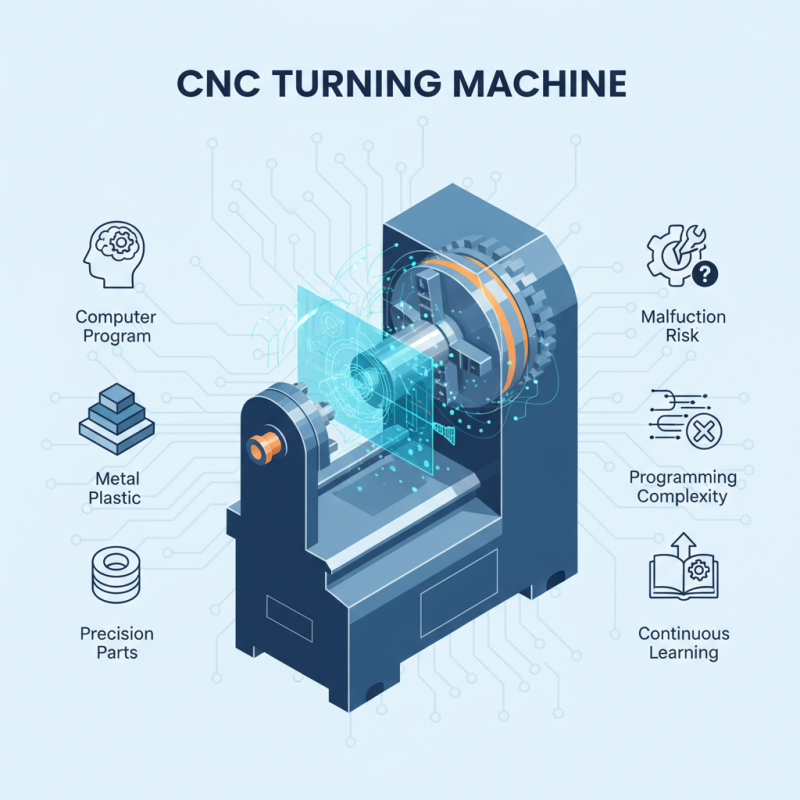
A CNC Turning Machine is a vital tool in modern manufacturing. It automates the machining process, allowing for precision and efficiency. This machine shapes material by removing unwanted sections through rotational movement. It operates using a computer program, ensuring high accuracy in producing parts.
The technology behind CNC turning is remarkable. After inputting a design, the machine can work with various materials. These include metal, plastic, and wood. The results are consistently high-quality pieces tailored to specific needs.
However, reliance on CNC turning machines raises questions. What happens if the machine malfunctions? The complexity of programming can lead to errors. Understanding these machines is crucial for operators. Continuous learning is essential to minimize mistakes. Embracing technology while remaining cautious can yield better outcomes in manufacturing.
What is a CNC Turning Machine? Definition and Key Features
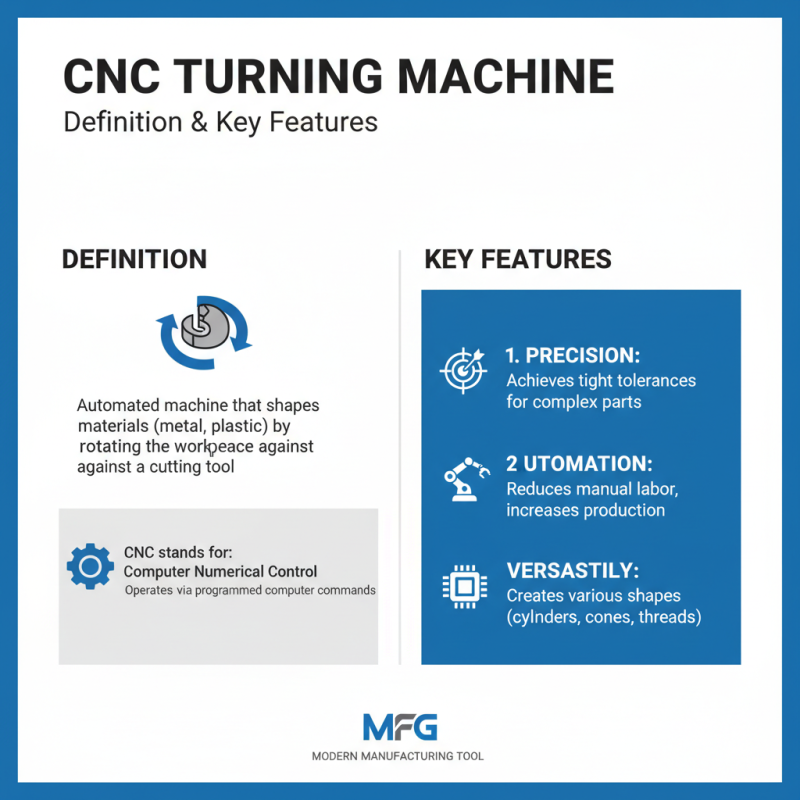
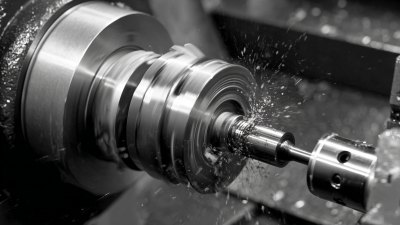
A CNC turning machine is a vital tool in modern manufacturing. It automates the process of shaping materials like metal and plastic. The term CNC stands for Computer Numerical Control, which means the machine operates via programmed commands. This technology allows precise machining of parts.
Key features of a CNC turning machine include its ability to perform complex cuts and create various geometries. The machine consists of a rotating spindle and a fixed cutting tool. Operators input designs through software, which directs the machine’s movements. This results in high accuracy and repeatability, essential for mass production.
Despite its advantages, some challenges persist. Calibration errors can lead to defects. Additionally, the learning curve for operators can be steep. Understanding the software and machine operations takes time. Manufacturers must address these issues to maximize efficiency. Overall, the CNC turning machine represents significant progress, but constant improvement is necessary for optimal performance.
The Components of a CNC Turning Machine: Breakdown and Functionality
CNC turning machines are vital in modern manufacturing. They consist of several key components that work together to shape materials. The main parts include the spindle, tailstock, tool turret, and control unit. Each element plays a crucial role in the machining process.
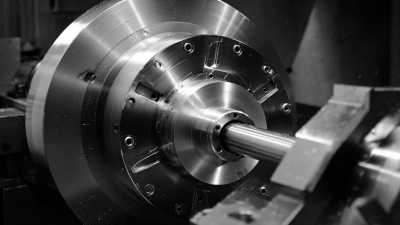
The spindle is the heart of the CNC turning machine. It rotates the workpiece at high speeds. This allows for precise cutting and shaping. The tailstock supports the workpiece. It ensures stability during operation, adding accuracy to the process. The tool turret holds various cutting tools, allowing quick changes during production.
Tips: Proper maintenance is essential for machine longevity. Regularly check for wear and tear. Clean the system to avoid errors. Consider investing in training for operators. Knowledgeable staff can improve efficiency significantly.
Operators should be cautious with feeds and speeds. Incorrect settings can lead to damaged parts or tool breakage. Taking time to refine these parameters can enhance output quality and reduce waste. Following these practices can lead to better reliability and performance of the CNC turning machine.
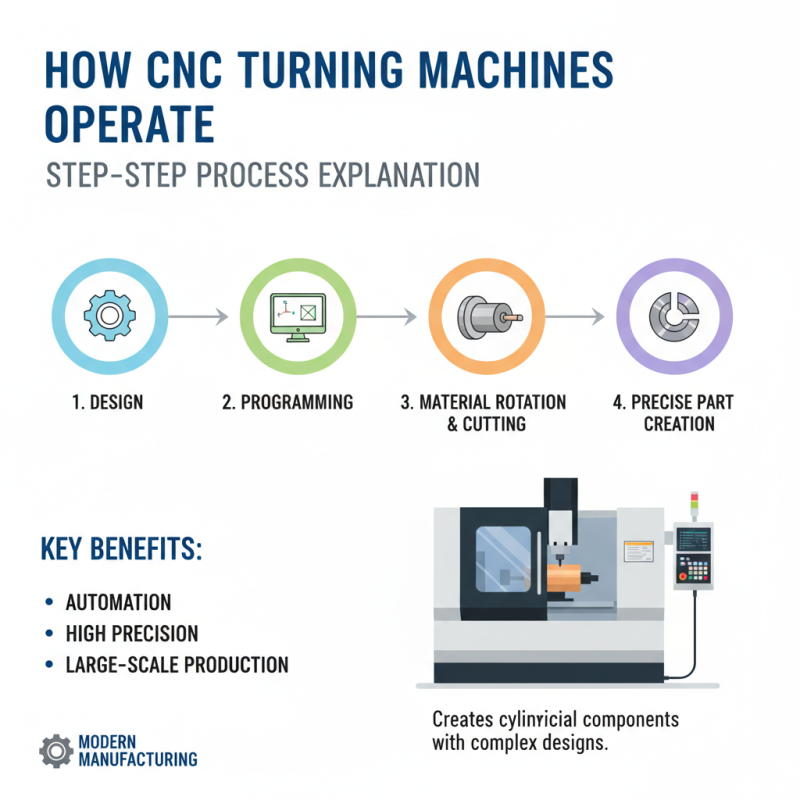
How CNC Turning Machines Operate: Step-by-Step Process Explanation
CNC turning machines are essential tools in modern manufacturing. They work by rotating a workpiece against a cutting tool. This process creates precise cylindrical parts, allowing for intricate designs. The automation aspect enhances productivity, making these machines reliable for large-scale production.
The operation begins with designing a part using computer software. The CNC machine interprets this design and translates it into a series of commands. As the machine begins, the workpiece is secured in place. The spindle then rotates the material at high speeds. Meanwhile, the cutting tool feeds into the workpiece, shaping it as planned.
During this process, operators must keep a close eye on the machine's performance. Even minor issues can lead to defects. Regular maintenance is crucial, yet often overlooked. Machine operators should engage in continuous learning to troubleshoot problems effectively. Staying attentive can help improve the overall quality of the output.
Applications of CNC Turning Machines in Various Industries
CNC turning machines play a critical role across several industries, from automotive to aerospace. In the automotive sector, these machines create precise components like shafts and fittings. Their accuracy minimizes waste and enhances product quality. In aerospace, manufacturers produce complex parts that withstand extreme conditions. This requires high precision, making CNC turning essential.
Medical device manufacturing also heavily relies on CNC turning machines. They produce intricate components like surgical tools and implants. Here, precision is a matter of safety. However, despite their benefits, CNC machines can present challenges. Operators must ensure proper setup to avoid errors. Even a minor mistake can lead to significant issues.
In the energy sector, CNC turning machines are used for producing parts in turbines and generators. This highlights their versatility. Yet, every industry has its learning curve when implementing CNC technology. Training staff can be resource-intensive. Adapting to new techniques requires time and patience. The continuous evolution of technology adds another layer of complexity.
Advantages of Using CNC Turning Machines: Precision and Efficiency Insights
CNC turning machines offer unique advantages in precision and efficiency. They transform raw materials into intricate parts with remarkable accuracy. Unlike traditional methods, these machines automate the repetitious tasks of shaping materials. This automation minimizes human error, enhancing the final product's quality.
The precision of CNC turning machines allows manufacturers to produce tight tolerances. This capability is crucial in industries like aerospace and medical devices. Even small deviations can lead to significant issues. By maintaining consistent dimensions, manufacturers can ensure parts fit well in assemblies. Efficiency is another key benefit. These machines can operate continuously, maximizing productivity and reducing lead times.
Despite their benefits, using CNC turning machines isn't without challenges. Programming these machines requires skilled operators. Mistakes in programming can lead to wasted materials and time. Each project demands careful planning to achieve the desired outcome. Continuous improvements in technology help address these challenges, but industry professionals should always be prepared to adapt.
Advantages of CNC Turning Machines
This chart illustrates the key advantages of using CNC turning machines rated on a scale from 1 to 10. The advantages include precision, efficiency, automation, complexity handling, and cost savings, showcasing the significant benefits these machines bring to manufacturing processes.