What to Look for in Precision Metal Component Manufacture?
In the landscape of manufacturing, Precision Metal Component Manufacture stands as a vital pillar. Companies rely on precise components for their products, ensuring functionality and longevity. Choosing the right manufacturer is crucial.
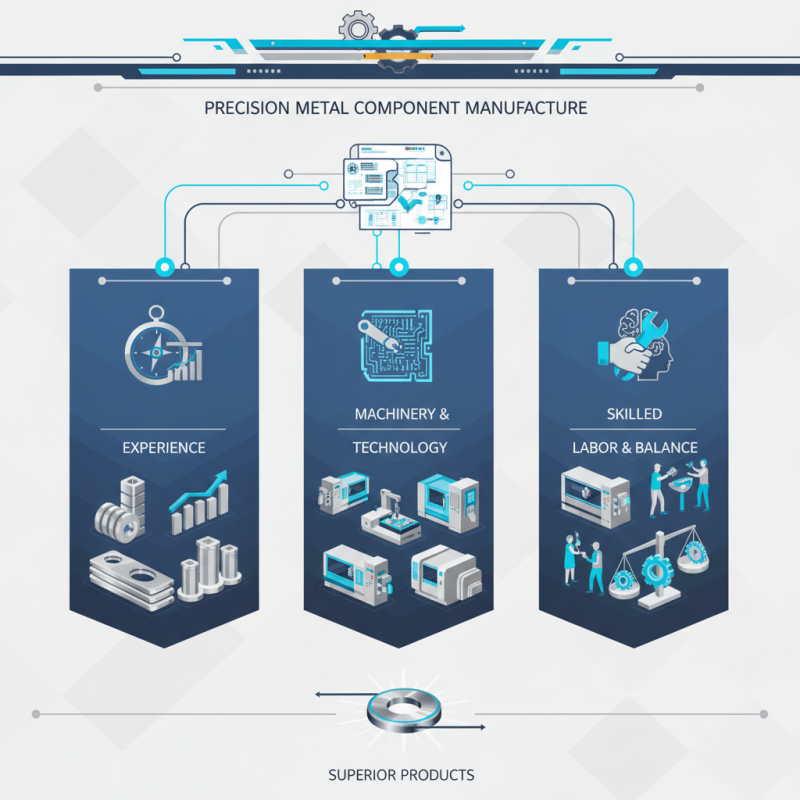
Not all manufacturers have the same expertise. Some may lack the precision needed for critical components. Assessing experience in the field is essential. A manufacturer with years of experience often demonstrates reliability and skill in delivering quality parts. However, experience does not guarantee perfection; there are always areas for improvement.
Pay close attention to the machinery and technologies used in the manufacturing process. Advanced technologies can enhance precision and efficiency. Yet, a steep investment in equipment may not always reflect the capability of the workforce. Striking a balance between technology and skilled labor defines good practice in Precision Metal Component Manufacture. Understanding these factors can lead to better decision-making and ultimately, superior products.
Key Factors to Consider in Precision Metal Component Manufacturing
When considering precision metal component manufacturing, several key factors come into play. First, the materials used are crucial. The choice of metal affects durability and overall performance. For example, aluminum is lightweight but may lack the strength of steel. Each application may require different attributes, so understanding material properties is vital.
Machining capabilities are another important aspect. Advanced techniques such as CNC machining can achieve high precision. However, not all manufacturers have the same expertise. It’s important to assess the technology and tools they employ. Outdated equipment may limit quality, leading to errors in production.
Quality control processes also demand attention. Regular inspections and testing ensure parts meet specifications. Yet, some manufacturers may overlook these checks, leading to defects. Evaluating a company's commitment to quality management is essential for reliable outcomes. Finding the right manufacturer means understanding these nuances. Each decision can impact the final product's integrity and performance.
Key Factors in Precision Metal Component Manufacturing
Understanding the Importance of Tolerances in Metal Components
In the manufacturing of precision metal components, tolerances play a crucial role. Tolerances determine the acceptable limits of variation in a component's dimensions. According to a report by the Precision Metalforming Association, up to 40% of component failures can be traced back to tolerance issues. This statistic underscores the need for strict adherence to specified tolerances during production.
Understanding tolerances involves recognizing their impact on functionality and performance. For instance, in aerospace applications, a tolerance of just 0.0005 inches can be the difference between safety and failure. Precision is critical, yet many manufacturers still struggle with maintaining these levels. A survey from the National Association of Manufacturers revealed that over 30% of companies reported inconsistencies in their tolerance standards. This inconsistency can lead to increased costs and delays in production.
While precision is paramount, not all components require the strictest tolerances. Some applications may allow for looser specifications without compromising performance. However, determining the optimal tolerance comes with challenges. Industry experts note that balancing cost and precision is essential. Too strict a tolerance can inflate production costs unnecessarily. Awareness and careful consideration of tolerances can lead to better manufacturing outcomes and enhanced product reliability.
Material Selection: Choosing the Right Metals for Your Needs
When it comes to precision metal component manufacture, the choice of materials is crucial. Selecting the right metals can significantly affect durability and functionality. You must consider factors like strength, weight, and corrosion resistance. Stainless steel is popular due to its excellent strength and resistance to rust. However, it may not always be the best choice for lightweight applications.
Aluminum offers a great alternative when weight is critical. It has lower density and good thermal conductivity. Yet, one should be cautious; aluminum can be less durable under heavy stress. Copper, on the other hand, is ideal for electrical components but can be costly. Each metal has its pros and cons, requiring careful thought.
Reflecting on your specific needs is essential. Ask yourself the following: Will weight be an issue? Will the component face harsh conditions? Seeking expert advice can also be beneficial. Sometimes, mixing metals might provide the best solution. There is no one-size-fits-all without considering your particular requirements and the conditions your components will face.
Quality Control Measures in Precision Manufacturing Processes
In precision metal component manufacturing, quality control is vital. Effective measures ensure parts meet specifications and function correctly. Regular inspections at various production stages help catch issues early. Utilizing advanced tools, such as coordinate measuring machines (CMM), greatly increases measurement accuracy.
Tip: Invest in training for your team. Skilled workers can identify flaws that machines may overlook. They bring valuable insights to the quality control process.
Another essential aspect is the implementation of robust testing procedures. Testing parts under actual usage conditions can reveal potential weaknesses. This predicts how well components will perform in the final product.
Tip: Consider employing third-party inspections. An external perspective can offer unbiased quality assessments, leading to improvements in your processes.
Quality control is not foolproof. There will always be areas for improvement. Regular audits of both processes and outcomes are necessary for ongoing success. Reflecting on mistakes fosters a culture of continuous improvement within the organization.
Evaluating the Technology and Equipment Used in Production
When evaluating precision metal component manufacturing, technology and equipment play crucial roles. Advanced CNC machines are essential. These machines ensure high accuracy and repeatability in production. Precision can be impacted by the age of the equipment. Older machines may not meet today's standards. Regular upgrades are vital for maintaining competitiveness in the industry.
Tips: Consider a manufacturer's investment in technology. Frequent updates indicate a commitment to quality.
Software used in production should also be assessed. Modern CAD/CAM software enhances design and manufacturing processes. This reduces errors while increasing efficiency. Be wary of companies that rely on outdated software. It may lead to operational inefficiencies.
Tips: Investigate whether the manufacturer trains staff on the latest technologies. Knowledgeable operators can significantly improve production outcomes.
Lastly, consider the inspection and quality control measures in place. Robust systems ensure that components meet specifications. Inconsistencies can negatively affect end products. Manufacturers should regularly conduct quality audits.
Tips: Look for transparency in quality processes. Companies that share their inspections are often more reliable.