
Stecker Machine Blog

7 Glass Sorting Machine Buying Tips for Global Buyers

Choosing a Glass Sorting Machine is not just a matter of comparing capacity figures. Global buyers need to match the equipment to their actual glass stream, site conditions, and operating team. A line handling clear container glass may struggle with mixed colors, ceramics, or moisture. Even small contaminants can affect product quality. Details matter.

Glass-processing specialist Alex Morgan puts the buying principle this way: “Buy for the glass you receive, not the glass you wish you had.” Treat that as a practical reminder, not a substitute for verified advice. Ask suppliers how their machine performs on representative samples, and request test results with the feed conditions clearly stated. A polished demonstration can hide difficult details. Check sorting accuracy, throughput, maintenance access, spare-parts availability, and operator training. Also consider how lighting, dust, and feed consistency may change results on your floor. A machine that looks efficient in a brochure can be frustrating beside a noisy conveyor.

This guide presents seven buying tips for global buyers, from defining material requirements to evaluating service support and total operating costs. Compare evidence, not slogans. Ask direct questions. One point deserves reflection: buyers sometimes focus on purchase price while underestimating downtime and cleaning needs. That trade-off is easy to miss. Use the tips to build a clear specification, compare offers fairly, and identify questions that still need answers before committing.
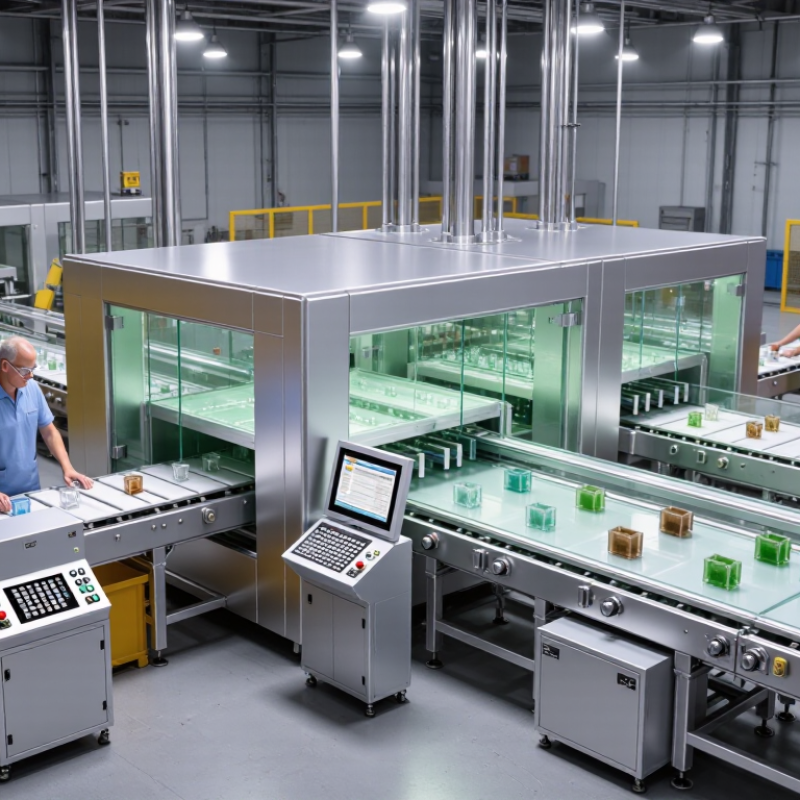
7 Glass Sorting Machine Buying Tips for Global Buyers

Identify the Glass Types, Contaminants, and Sorting Goals

Before comparing a glass sorting machine, describe the material it will actually receive. Clear, green, and amber container glass may need separate color streams, while mixed-color cullet may have a different sales value. Flat window glass, bottles, and jars also vary in thickness and shape. Do not assume one setting will handle every batch well. It may not.

List likely contaminants from the plant floor: ceramics, stones, metals, plastics, paper labels, and heat-resistant glass. Their size and frequency matter. A few ceramic fragments can be more damaging than a visible pile of labels. Ask suppliers how their system detects each contaminant and what happens with wet, dusty, or unusually shaped pieces. Request a test using representative samples, not a carefully chosen handful. Results can change with feed speed and lighting conditions.

Then define the sorting goal in measurable terms: target purity, recovery rate, throughput, and acceptable loss of usable glass. These goals can conflict, so rank them before reviewing machine specifications. Record seasonal changes in color mix and contamination, too. Operators often know where trouble starts, though their observations may be incomplete. Check the records against sample tests. A little uncertainty is worth admitting. It can prevent buying around an ideal feed that rarely arrives.

Compare Sorting Technologies, Accuracy, and Throughput

Glass sorting machines should be compared on the material they separate, not just their sensor labels. Color cameras identify clear, green, and amber fragments, while X-ray or laser-based systems can target ceramics, stones, and heat-resistant glass. Metal detection may remove small contaminants before they reach later processing stages. Each method has limits.

FEVE’s 2022 glass-recycling statistics put Europe’s glass packaging recycling rate at about 80%. That scale makes clean, consistent cullet important, but the figure does not measure sorting-machine performance. Ask suppliers for test results using your own feed: mixed colors, fines, labels, and realistic moisture levels. Test real cullet. Compare both output purity and recovery, since a machine can produce cleaner glass while rejecting too much usable material.

Throughput figures need the same scrutiny. A rated tonnes-per-hour figure may assume evenly spread, pre-cleaned fragments; a busy plant rarely feeds material so neatly. Request results at your planned particle-size range and loading rate, then check how accuracy changes as the belt fills. Numbers need context. Record downtime, reject volume, and energy use during trials, too. One awkward detail: test samples may not represent seasonal or supplier-to-supplier variation, so a single successful run can create false confidence.

Assess Machine Capacity, Layout, and System Compatibility

A glass sorting machine should match your real feed rate, not just a brochure figure. Estimate peak hourly volume and note how often the line receives mixed colors, labels, or ceramic pieces. Ask suppliers to explain rated capacity under conditions similar to yours. A fast belt may still create bottlenecks if the feeder or reject chute cannot keep pace. Small details matter.

Tip: Request a sample test using representative glass from your site. Check throughput, sorting consistency, and reject handling. Record the material size range and moisture level; otherwise, test results may not reflect daily operation.

Measure the available floor space before comparing machine footprints. Include room for conveyors, walkways, electrical cabinets, and safe access to inspection points. A compact layout can look efficient on paper, then frustrate maintenance staff. That is easy to overlook. Confirm conveyor height, feed direction, discharge points, and connection requirements with your existing line. Check power, compressed air, controls, and data signals as well. A machine that sorts well but cannot communicate with your control system may need extra integration work. Ask for a layout drawing and review it with operators and maintenance personnel before purchase.

7 Glass Sorting Machine Buying Tips for Global Buyers - Assess Machine Capacity, Layout, and System Compatibility
Tip What to Assess Information to Request Practical Acceptance Check
1. Match capacity to your actual throughput Confirm the required feed rate in tonnes per hour and the operating hours per day. Capacity depends on factors such as particle-size range, feed consistency, contamination, and the number of sorting stages. Ask for rated and demonstrated throughput for material similar to yours, including the assumed size range, feed conditions, and target product quality. Compare the proposed rate with your measured peak and average feed rates. Request a trial using representative material rather than relying on a nominal rating alone.
2. Define feed material and size range Identify whether the feed is container glass, cullet, or another glass stream, and document its particle-size distribution, moisture, color mix, and likely contaminants. Request the machine's accepted particle-size range and limitations for fines, oversized pieces, labels, ceramics, stones, metals, and other expected contaminants. Check that upstream screening and cleaning can prepare the feed within the machine's stated operating range. Confirm how out-of-range material will be handled.
3. Verify sorting performance for your target Clarify the sorting objective, such as separating colors or removing non-glass contaminants. Purity and recovery are different performance measures and can involve trade-offs. Ask for test results showing the feed composition, product purity, recovery, sample size, and test method. Specify the contaminants or color fractions that matter to your process. Agree on measurable acceptance criteria and conduct a material trial. Ensure results are reported using definitions that both buyer and supplier understand.
4. Check optical and system compatibility Confirm that the sensor and sorting configuration suits the colors, particle sizes, and contaminants in your feed. Check interfaces with conveyors, screens, feeders, and plant controls. Request the sensor configuration, available data and control interfaces, required feed presentation, and the inputs and outputs needed for integration. Have the supplier review a process-flow diagram and confirm integration requirements, including conveyor speed, transfer points, and control signals.
5. Measure the site layout before ordering Allow for the machine footprint, infeed and discharge conveyors, access for cleaning, maintenance clearances, and safe operator access. Request dimensioned general-arrangement drawings, service-clearance requirements, machine weight, lifting points, and installation requirements. Check the proposed layout against doorways, ceiling height, floor loading, existing equipment, and access routes for delivery and maintenance.
6. Confirm utilities and operating conditions Check electrical supply, compressed-air demand where applicable, ambient conditions, dust control, and local installation requirements. Request utility specifications, including voltage and frequency options, power demand, air pressure and consumption, and environmental limits. Compare the specifications with site capacity and local standards. Confirm that any required air treatment, extraction, or electrical protection is included in the project scope.
7. Review maintenance, testing, and support Assess routine cleaning, wear parts, sensor protection, spare-parts availability, training, and the support needed across operating shifts. Request a maintenance schedule, recommended spare-parts list, warranty terms, training plan, and the procedure for performance testing after installation. Agree on commissioning checks, operator training, service responsibilities, and a documented method for measuring throughput and sorting results at the site.

Check Supplier Expertise, Certifications, and Service Support

Glass sorting performance depends on more than a machine’s stated capacity. Ask suppliers for experience with your feedstock, including mixed-color cullet, ceramics, and labels. Request a test using representative samples, then review purity, recovery rate, and throughput together. The European Container Glass Federation’s 2022 data reported an 80.1% glass packaging collection rate in Europe. That figure is not a machine-performance benchmark, but it shows why reliable sorting matters across the recycling chain.

Check which certifications apply to the machine and its destination market. Ask for current certificates, scope, and issuing body; a certificate should match the supplied equipment, not just the supplier’s general business. ISO 9001 can indicate a quality-management system, but it does not guarantee sorting results. Ask for commissioning records, operator training details, and clear warranty terms. Details matter.

Tip: Get service response times in writing. Confirm spare-parts availability, remote troubleshooting hours, and who handles on-site repairs. Ask for references from facilities processing similar glass. A polished demo is useful, but it may not reflect dusty floors, worn belts, or changing feed quality. Leave some room for doubt—and verify the claims.

Validate Performance Through Testing and Total Cost Analysis

7 Glass Sorting Machine Buying Tips for Global Buyers

Validate performance with a witnessed trial using your own glass, not a supplier’s clean demonstration sample. Record feed rate, color purity, recovery yield, and rejected material at steady speed and during surges. Ask for repeated runs; one good sample proves little. FEVE’s 2023 progress reporting put EU glass packaging recycling at about 80% in 2022, showing how established collection systems still depend on effective processing. That figure is regional, not a guarantee for your plant. Test against the actual mix of colors, ceramics, stones, labels, and moisture in your feed.

Measure more than purchase price. Over a realistic operating period, include electricity, compressed air, labor, maintenance parts, downtime, training, and disposal of rejects. Compare cost per accepted tonne, not just tonnes per hour. Request the test conditions and raw results in writing, then check whether they match your site’s power supply, material flow, and staffing. A short trial can miss sensor fouling or wear. It is worth admitting that forecasts remain estimates; build in a conservative case with lower throughput and higher service costs. Ask operators to review the assumptions before signing.