What is a Horizontal Milling Machine and How Does It Work?
Horizontal milling machines play a vital role in modern manufacturing. John Smith, an expert in machining, stated, "The Horizontal Milling Machine is the backbone of precision engineering." This technology allows for efficient cutting and shaping of various materials.
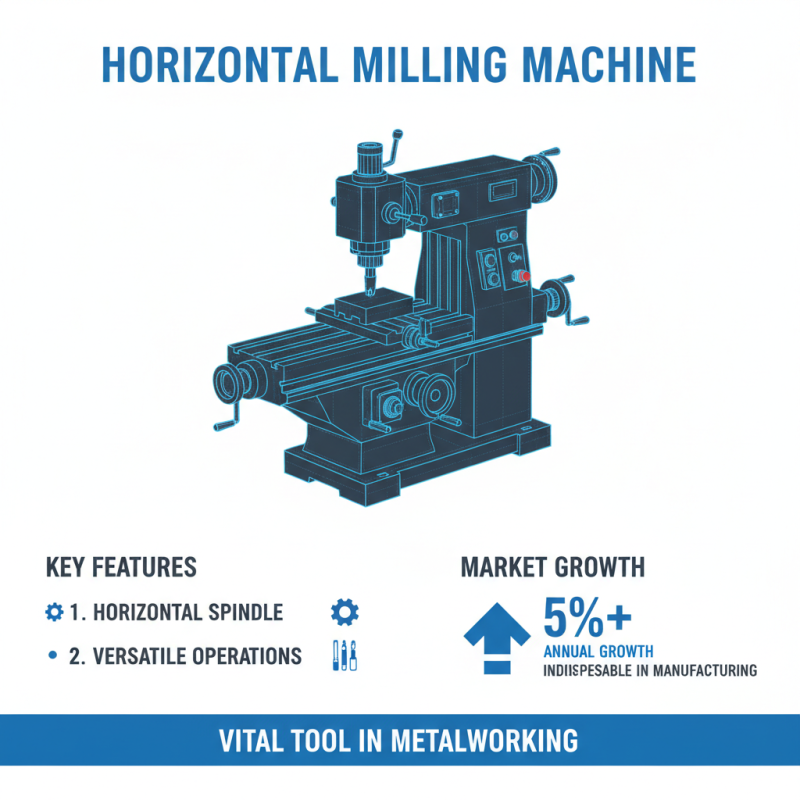
Typically, a horizontal milling machine features a horizontal spindle. This design enables it to handle larger workpieces with stability and precision. The rotating spindle cuts through materials effectively. Operators can perform multiple tasks, such as drilling and slotting, which enhances productivity.
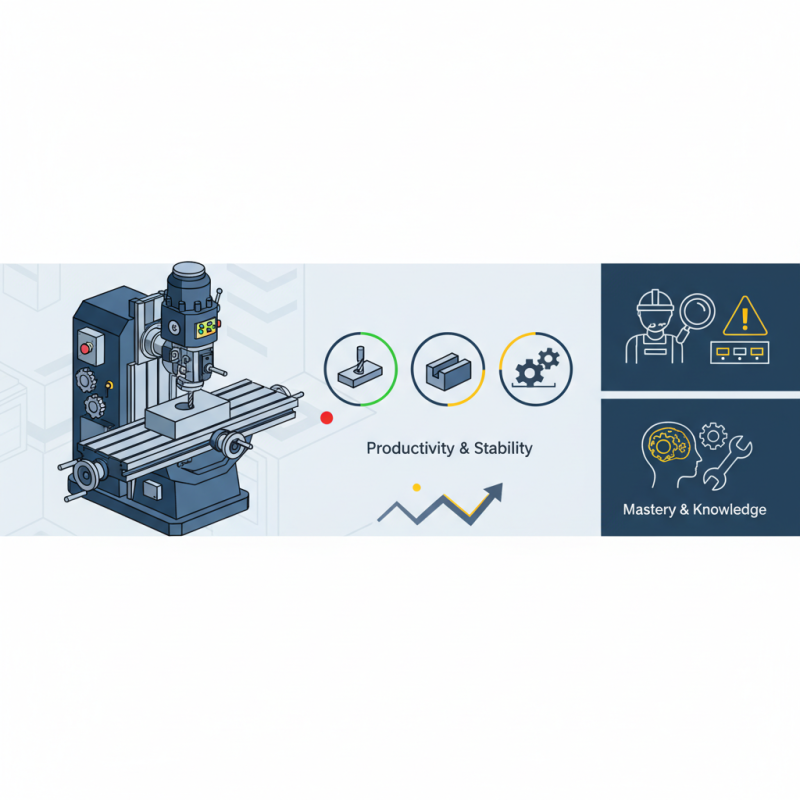
Despite the numerous advantages, using a Horizontal Milling Machine isn't without its challenges. Operators must continually monitor settings to avoid errors. Moreover, some users find it challenging to master the machine's various functions. Understanding these intricacies is essential for success in machining. Thus, the Horizontal Milling Machine remains a powerful tool, yet demands respect and careful handling.
What is a Horizontal Milling Machine?
A horizontal milling machine is a vital tool in metalworking. It primarily uses a horizontally mounted spindle. This setup allows for a variety of milling operations. According to industry reports, the market for milling machines is expected to grow by over 5% annually. This growth indicates their indispensable role in manufacturing.
In a horizontal milling machine, the workpiece is fixed on a table. The table moves in various directions, allowing for precise cutting. Cutter types vary widely, including slab cutters and face mills. These machines are efficient for heavy-duty tasks. They offer superior rigidity and torque compared to vertical machines.
Despite their advantages, horizontal milling machines have limitations. They require more space and a higher initial investment. Training operators can be challenging. Some users find the setup complex, leading to potential inefficiencies. Nonetheless, when utilized correctly, they contribute significantly to productivity in manufacturing settings.
Key Components of a Horizontal Milling Machine
A horizontal milling machine is vital in many manufacturing processes. It operates using a horizontally oriented spindle. This design allows material to be shaped precisely. Key components make it effective.
The main part is the spindle. It holds the cutting tool secure. Next is the table, which supports the workpiece. The table can move in various directions. This movement creates intricate shapes and dimensions. There’s also the bed, which provides stability. It's crucial for maintaining accuracy during milling.
Another important part is the coolant system. Milling generates heat, which can affect precision. The coolant helps to maintain the optimal temperature. These components work together, creating a reliable milling process. However, improper setup can lead to mistakes. Operators must ensure everything is calibrated correctly. A small error can ruin an entire batch of parts. Thus, attention to detail is essential in a workshop setting.
What is a Horizontal Milling Machine and How Does It Work? - Key Components of a Horizontal Milling Machine
| Component |
Description |
Function |
| Base |
Sturdy structure that supports other components |
Provides stability and rigidity to the machine |
| Column |
Vertical structure housing the motor and other components |
Supports the spindle and provides alignment for cutting |
| Spindle |
Rotary component that holds the cutting tool |
Acts as the axis for rotation of the cutting tool |
| Table |
Flat surface where the workpiece is placed |
Supports the material being machined and can move in multiple directions |
| Knee |
Adjustable structure for height adjustment of the table |
Allows vertical movement of the table relative to the spindle |
| Power Feed |
Mechanism for automatic movement of the table or spindle |
Facilitates precise and consistent feeding of the workpiece |
How Horizontal Milling Machines Operate
Horizontal milling machines are vital tools in machining. They utilize a horizontally oriented spindle to remove material from workpieces. The setup often involves securing the material onto a flat table. This allows for precise cuts and shaping of various shapes.
The operation of a horizontal milling machine is quite fascinating. The cutter moves horizontally across the workpiece. This design aids in producing flat surfaces and intricate contours. Operators need to adjust the feed rate and speed based on the material type. This can be challenging, as incorrect settings may lead to poor finishes or even damage the cutter. Continuous practice is essential for achieving desired results.
Maintenance is another crucial aspect that cannot be overlooked. Regular cleaning of the machine ensures longevity. Operators often make mistakes in calibration, leading to inaccuracies. It’s a learning process where even seasoned users can encounter unexpected challenges. Understanding how to effectively utilize a horizontal milling machine requires experience, attention to detail, and a willingness to adapt.
Benefits of Using Horizontal Milling Machines
Horizontal milling machines are essential tools in manufacturing. They offer several benefits that enhance production efficiency. One major advantage is their ability to work on multiple surfaces simultaneously. This results in faster processing times, allowing for higher output. In addition, the horizontal orientation provides better chip removal, meaning less downtime for cleaning and maintenance.
Another notable benefit is their versatility. Horizontal milling machines can accommodate various materials, from soft metals to hard alloys. Operators can easily adjust settings to achieve precise cuts. However, this requires thorough training and understanding of machine operations. Mistakes may lead to costly errors, emphasizing the need for skill and caution.
Moreover, they tend to produce a smoother finish. This is crucial for parts that require close tolerances and high-quality standards. Yet, achieving the perfect finish isn't always easy. It takes practice and patience to master the settings and techniques. Sometimes, minor adjustments make a significant difference in output. Overall, the advantages of horizontal milling machines are clear, but they come with challenges that require continuous learning and adaptation.
Applications of Horizontal Milling in Various Industries
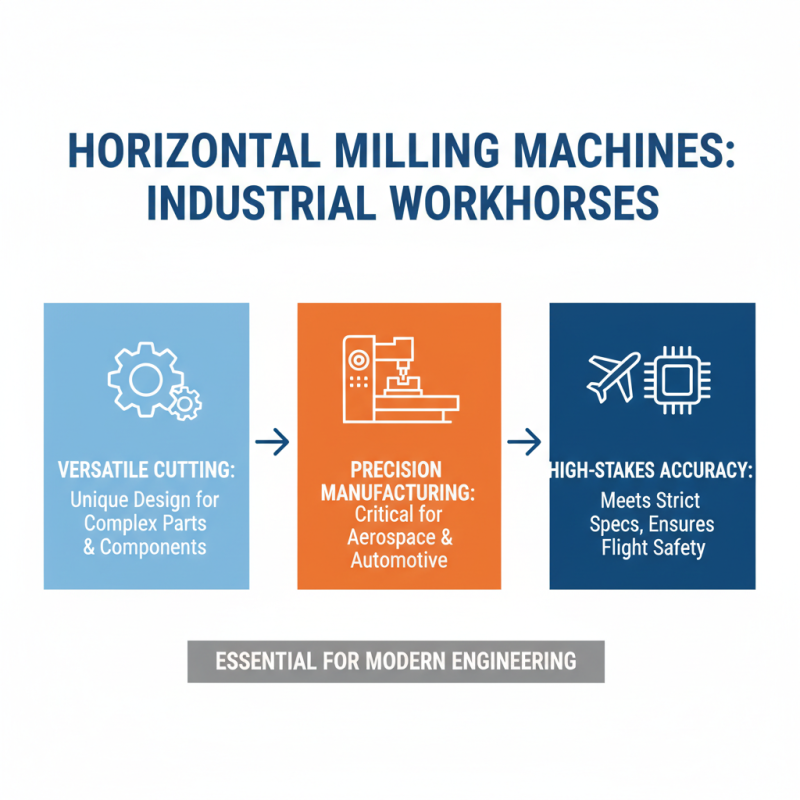
Horizontal milling machines play a crucial role in various industries. Their unique design allows for versatile cutting capabilities. Many manufacturers use them for producing intricate parts and components. In the aerospace sector, these machines create precision components for aircraft. Parts must meet strict specifications. Even small errors can lead to serious issues in flight safety.
In the automotive industry, horizontal milling machines help with intricate engine parts. Machining efficiency is key. However, improper settings can lead to material waste. In electronics, they assist in manufacturing housings and brackets. The accuracy of these machines affects the overall quality of the final product. Mistakes, like incorrect dimensions, can cause costly rework.
Even with advanced technology, human oversight is crucial. Operators must maintain and calibrate machines properly. Neglecting routine maintenance can lead to breakdowns or faults in production. Continuous training is necessary for staff to adapt to innovations. Overall, horizontal milling machines significantly impact various sectors, but challenges remain.