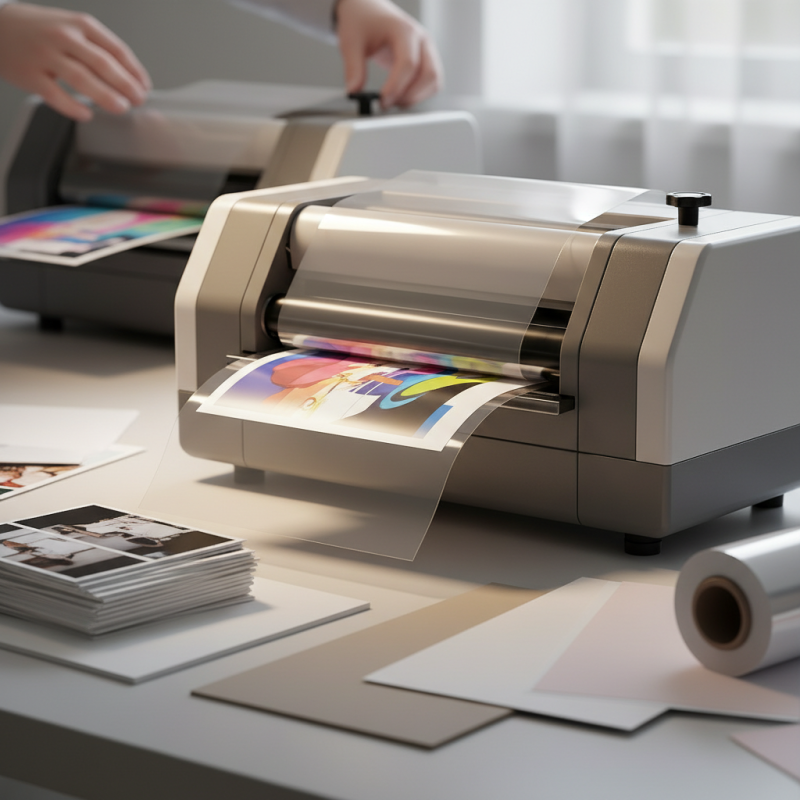
What is a Lamination Machine and How Does It Work?
In the world of printing and crafting, a Lamination Machine plays a crucial role. It is designed to apply a protective layer to various materials. This process helps preserve documents, photos, and artwork. The machine uses heat, pressure, or adhesive to bond the laminate to the item.
Understanding how a Lamination Machine operates is essential for professionals and hobbyists alike. It typically involves feeding the material through rollers, which apply the laminate. Adjusting settings for thickness and type can be complex. It requires experience to achieve perfect results every time.
While lamination offers protection, it can be flawed. Misalignment may occur, causing uneven edges. Overheating can damage delicate papers or photos. These challenges serve as a reminder that practice and knowledge are key. Exploring the ins and outs of a Lamination Machine enhances both skills and outcomes.
What is a Lamination Machine?
A lamination machine is a device designed to coat documents and materials with a thin layer of plastic. This process enhances durability and resistance to wear and tear. According to recent industry reports, the market for lamination machines is projected to grow significantly in the coming years, driven by increasing demand across various sectors such as education and packaging.
In essence, these machines function by applying heat and pressure to seal the plastic film onto the material, creating a protective layer. The process can be manual or automatic. Some models allow for multiple sheets to be laminated simultaneously, which boosts efficiency. However, users often face challenges such as uneven lamination or film jamming. Reports indicate that up to 20% of operators encountered issues with adhesion quality, highlighting the need for careful handling and setup.
Selecting the right lamination machine is crucial. Features such as temperature control and speed settings can greatly impact the outcome. The cost of these machines can vary widely. While some entry-level options are affordable, advanced machines with specialized functions can be significantly more expensive. This variance often leads buyers to reflect on their actual needs versus budget constraints, making informed decisions more complicated.
Key Components of a Lamination Machine
A lamination machine is a device that protects documents using a plastic film. It is common in offices and schools. Understanding its key components is essential to appreciate how it works.
The heat source is crucial. It ensures the lamination film adheres properly. Then, there are rollers. They guide the document through the machine. Rollers also help maintain consistent pressure and speed. A cooling system follows. It solidifies the lamination quickly, preventing wrinkles and bubbles.
Another important part is the control panel. Users can adjust temperature and speed settings. It allows for customized lamination based on document type. Lastly, a safety feature is often overlooked. It prevents overheating and protects users. While these components work well together, improper use may cause issues. For instance, wrong settings can lead to poor lamination. Understanding each part helps in troubleshooting.
How Does a Lamination Machine Operate?
A lamination machine is an essential tool for preserving documents and enhancing their durability. It typically operates by applying heat and pressure to laminate film, which seals around the documents. This process helps protect papers from moisture, dirt, and physical damage. Reports indicate that the global laminating machine market is expected to grow significantly, with an estimated CAGR of 4.3% over the next five years.
Understanding how a lamination machine operates is crucial for effective use. Most machines have adjustable temperature settings, allowing users to customize the lamination process based on material thickness. The user inserts the document into a sleeve, which is then fed into the machine. It's vital to ensure the sleeve is correctly aligned. Misalignment can cause wrinkles or bubbles, which compromise the final product.
However, not all laminators are created equal. Factors such as speed and capacity can vary widely. A high-volume environment may require a machine with faster processing capabilities. Additionally, users should be aware of the types of films available, as each offers different protective features. Inadequate understanding of these aspects can lead to suboptimal results, such as bubbles or uneven lamination, which could detract from the professionalism of finished materials.
Different Types of Lamination Machines
Lamination machines come in various types, each designed for specific tasks. One common type is the pouch laminator. It's user-friendly and ideal for small projects. Users simply place documents inside a plastic pouch and feed them through the machine. This type is great for home use or small offices. Many find it easy to operate, but it does have limitations in terms of size and thickness.
Another type is the roll laminator. This machine uses rolls of laminate rather than pouches. It is suitable for larger projects, such as banners and posters. The setup can be complex, which might create confusion for new users. You may need to adjust settings frequently for optimal results. Additionally, roll laminators are ideal for high-volume tasks but may not suit low-volume users.
Cold laminators are another option. They do not use heat, making them safer for heat-sensitive materials. They rely on adhesive films to protect prints and documents. However, users might find the adhesion less durable over time. Glue can also be tricky to manage, and some projects may not adhere as expected. Understanding the weaknesses of each type helps in selecting the right one for your needs.
Lamination Machine Types and Their Popularity
Applications and Benefits of Lamination Machines
Lamination machines play a vital role in various industries today. They are used to protect documents, enhance visual appeal, and increase durability. With the growing demand for high-quality packaging, the global lamination market is projected to reach $50 billion by 2025. This indicates a continuous need for efficient lamination solutions.
Lamination machines find applications in schools, offices, and manufacturing. Businesses often use them to create professional-looking brochures and menus. Plastic cards, such as ID cards and access passes, are also laminated for longevity. Many industries benefit from improved resistance to moisture, dirt, and wear, making laminated products more reliable.
Tip: Always choose the right thickness for lamination films. A heavy-duty option offers better durability for frequently handled items.
Lamination enhances colors and graphics, making promotional materials stand out. However, improper lamination can lead to bubbling or curling edges. Monitoring temperature settings and ensuring a clean work surface can help prevent these issues.
Tip: Experiment with different temperatures. Small adjustments can lead to significant improvements in the quality of the final product. Regular maintenance of your machine is crucial as well.