What is Machined Parts and Why They Matter for Global Buyers?
Machined Parts play a crucial role in various industries, from automotive to aerospace. These components are precisely manufactured to meet rigorous standards. Global buyers rely on high-quality machined parts for reliable performance and durability.
Understanding the importance of machined parts is essential. They are often integral to product functionality. Poor quality can lead to failures and safety risks. This fact raises questions about supplier transparency and quality assurance. Buyers must be diligent in their selection process.
Investing time in sourcing quality machined parts is vital for success. The right partners can optimize production and reduce costs. However, the complexity of global supply chains can pose challenges. Reflection on these factors is necessary for making informed decisions. Selecting machined parts demands careful consideration and expertise.
Definition of Machined Parts and Their Key Characteristics
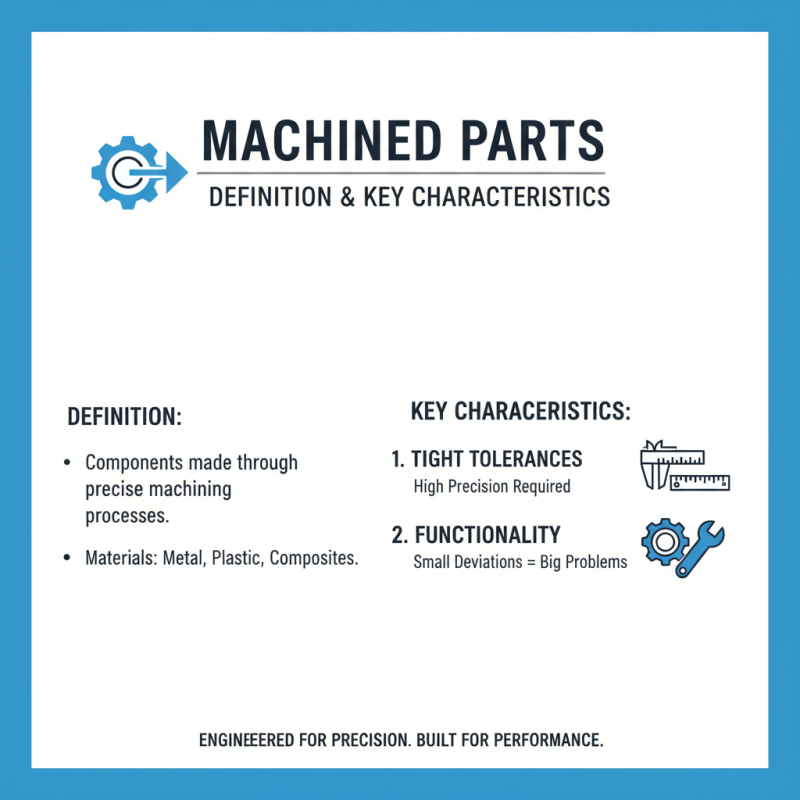
Machined parts are integral components manufactured through precise machining processes. These parts are commonly made from materials like metal, plastic, and composite materials. The key characteristic of machined parts is their tolerance levels. High precision is often required, as even a small deviation can lead to significant functional issues.
Additionally, machined parts exhibit durability. Their strength and reliability are critical for machinery and products that require exceptional performance. Many global industries rely on these parts for essential functions. They are used in aerospace, automotive, and medical applications, highlighting their versatility. However, sourcing these parts can be challenging. Differences in specifications, quality standards, and production capabilities can affect the procurement process.
Despite their advantages, buyers should be aware of potential pitfalls in sourcing machined parts. Quality inconsistency can arise when dealing with multiple suppliers. Communication gaps can lead to misunderstandings about specifications and lead times. Therefore, building trustworthy relationships with manufacturers is vital. Thorough evaluations of potential suppliers can ensure that the machined parts meet desired standards. This diligence ultimately fosters successful global partnerships.
Various Types of Machined Parts Used in Different Industries
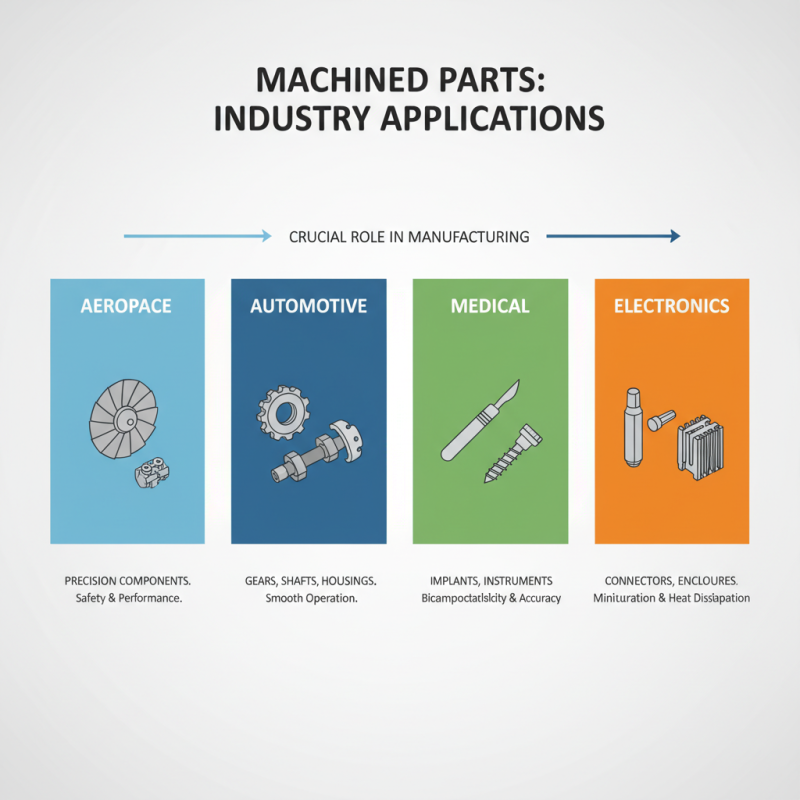
Machined parts play a crucial role across various industries. They are essential in automotive, aerospace, medical, and electronics sectors. Each industry relies on different types of machined parts to meet specific requirements. For example, precision components are vital in aerospace for safety and performance. In the automotive industry, parts like gears and shafts ensure the smooth operation of vehicles.
Tips: When sourcing machined parts, consider the materials used. Stainless steel is often preferred for strength and corrosion resistance. However, aluminum is lighter, making it ideal for applications where weight is a concern.
Machined components can vary greatly in complexity. Simple brackets may suffice for one application, while intricate assemblies are needed in medical devices. This diversity creates challenges for global buyers. Matching the right part to the intended use requires careful evaluation. Not all suppliers can guarantee consistent quality, which can lead to issues down the line.
Tips: Always request samples before committing to large orders. This allows you to verify the dimensional accuracy. Quality checks are crucial to prevent future complications.
Importance of Precision and Accuracy in Machining Processes
Precision and accuracy play crucial roles in machining processes. These factors greatly influence the quality of machined parts. According to a report by Market Research Future, the global precision machining market is expected to reach $20 billion by 2025. This growth is driven by the increasing demand for high-quality components across various industries, such as aerospace, automotive, and medical technology.
The importance of precision cannot be overstated. A slight deviation in measurements can lead to significant issues in part functionality. For instance, a study published in the Journal of Manufacturing Science and Engineering highlights that even a 1% variation in machining tolerances could result in a 30% increase in failure rates for critical components. Reliability in precision machining ensures that parts fit together correctly and function as intended.
Achieving accuracy requires a combination of advanced technology and skilled labor. High-precision equipment, such as CNC machines, must be calibrated correctly. Even minor errors in setup can produce faulty parts. Companies must continually invest in training and technology to remain competitive. The ultimate goal is to minimize waste and ensure customer satisfaction while maintaining operational efficiency. Embracing continuous improvement processes can challenge traditional practices, forcing industry players to adapt and evolve.
What is Machined Parts and Why They Matter for Global Buyers? - Importance of Precision and Accuracy in Machining Processes
| Machined Part Type |
Material |
Precision (microns) |
Common Applications |
Lead Time (weeks) |
| CNC Machined Aluminum |
Aluminum 6061 |
10 |
Aerospace Components |
2-4 |
| CNC Machined Steel |
Carbon Steel |
15 |
Automotive Parts |
3-5 |
| CNC Machined Titanium |
Titanium Alloy |
20 |
Medical Devices |
4-6 |
| Injection Molded Parts |
Polycarbonate |
25 |
Consumer Electronics |
1-3 |
| CNC Lathe Parts |
Brass |
12 |
Plumbing Fixtures |
2-4 |
Factors Global Buyers Should Consider When Sourcing Machined Parts
When sourcing machined parts, global buyers need to consider several critical factors. Quality is paramount. According to industry reports, over 70% of companies experience production delays due to poor quality components. This can lead to significant financial loss. Buyers should also ensure that suppliers have robust quality control processes in place. Certifications like ISO 9001 can serve as a gauge for supplier reliability.
Pricing is another essential factor. Reports indicate that the machinery parts industry is projected to grow at a compound annual growth rate of 5.7% through 2025. Buyers should analyze pricing models carefully. Cheap parts might save money upfront but can result in higher maintenance costs later. Seek suppliers that offer transparent pricing and detailed breakdowns.
Tip: Always request samples before making bulk purchases. This allows buyers to assess quality firsthand.
Additionally, consider the supplier's location. Supply chain disruptions have become common, especially post-pandemic. Choosing suppliers closer to your operations can mitigate delivery delays. Buyers should evaluate the supplier’s logistics capabilities as a part of their sourcing strategy.
Tip: Build relationships with multiple suppliers. This diversifies risks associated with sourcing.
By analyzing these factors, global buyers can make informed decisions that enhance their business's sustainability and performance.
The Future of Machined Parts: Trends and Technological Advancements
The future of machined parts is bright and filled with possibilities. Advanced technologies are transforming how these components are produced. Automation plays a key role in enhancing efficiency, reducing costs, and minimizing human error. Robotics and AI streamline manufacturing processes, making production faster and more accurate. As a result, global buyers can expect higher quality products in shorter timeframes.
Sustainability is becoming increasingly important in this sector. Many manufacturers are adopting eco-friendly practices, focusing on waste reduction and energy efficiency. However, transitioning to greener methods is not simple. It requires investment and a change in mindset. Moreover, keeping pace with technological advancements poses a challenge for some companies. They must constantly learn and adapt to stay competitive in a rapidly evolving market.
Quality assurance remains crucial as well. With new technologies, ensuring that machined parts meet strict specifications can be tricky. Testing and validation processes must evolve alongside advancements. Buyers need to collaborate closely with manufacturers to guarantee reliability. This partnership is essential for navigating the complexities of modern production while maintaining high standards.