What is Plastic Injection Mold and How Does It Work?
Plastic Injection Mold is a crucial component in the manufacturing sector. It plays a significant role in producing various plastic parts used across multiple industries. By 2025, the global plastic injection molding market is expected to reach $300 billion. This growth highlights the increasing reliance on this efficient manufacturing process.
The injection molding process allows for mass production of complex shapes with high precision. It minimizes waste, which is an important factor in today's sustainability-focused environment. However, challenges remain. Mold design can be intricate and costly. Skilled professionals are needed to ensure quality, adding to production time.
The technology behind Plastic Injection Mold continues to evolve. Automation and advanced materials are changing the landscape. Companies must adapt to these advancements while also reflecting on efficiency. As the industry grows, so do the demands for quality and innovation. Continuous improvement is key to staying competitive. Yet, ensuring the highest standards can lead to oversight and growing pains for companies.
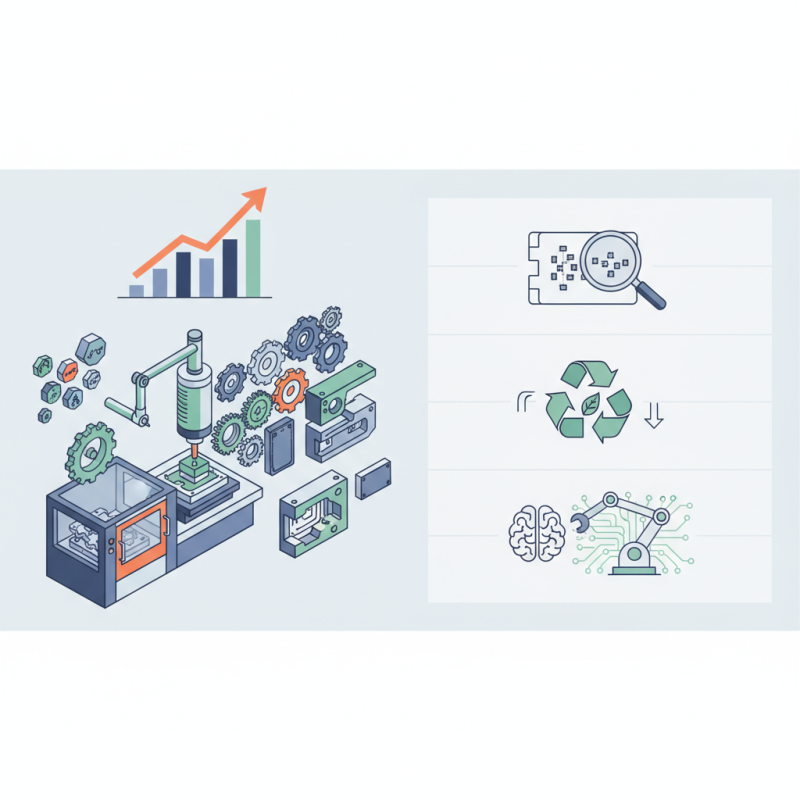
What is Plastic Injection Mold?
Plastic injection molds are crucial in manufacturing. They create plastic parts for various industries. The process begins with heating plastic pellets until they melt. This molten plastic is then injected into a mold cavity. The mold sets, cooling the plastic into a solid form.
Many factors affect the quality of molded parts. Molds must be designed precisely to avoid defects. Even slight inaccuracies can lead to fitting issues or weak points in the final product. Proper maintenance is also vital. Regular checks can prevent costly delays.
Tip: Always choose the right material for your project. Different plastics have unique properties that can affect durability and appearance. Understanding these can enhance your product.
Another element is the cooling time. This step should not be rushed. Too short a cooling period can lead to warped parts.
Tip: It’s essential to run tests with different cooling times. This can help identify the optimal balance for your specific mold design.
Historical Development of Plastic Injection Molding
Plastic injection molding has a rich history that dates back to the 19th century. The process began in 1872 when John Wesley Hyatt patented a method to mold animal bones and ivory. This marked the birth of the plastic industry. By the early 1900s, the use of bakelite, the first synthetic plastic, revolutionized molding. It opened doors to mass production and versatility in manufacturing.
In the following decades, advancements in machinery and materials further propelled this technology. Reports indicate that the global plastic injection molding market was valued at approximately $372 billion in 2020. It is projected to grow steadily, indicating strong demand in various sectors.
Despite its growth, environmental concerns arise from plastic waste. Many in the industry are reflecting on the sustainability of practices as around 80 million tons of plastic end up in oceans annually. This raises questions about the future of plastic use and recycling solutions. The journey of injection molding has been remarkable, but the industry faces challenges ahead.
Components of a Plastic Injection Mold Explained
Plastic injection molds play a crucial role in the manufacturing industry. They consist of several key components that ensure precision and efficiency. The mold cavity shapes the final product. This cavity is held within the mold base, which provides stability. According to a report by the Plastics Industry Association, the global plastic molding market was projected to reach $300 billion by 2025. This growth highlights the importance of effective mold design.
Mold cores are another essential component. They form the interior surfaces of the molds. Properly designed cores can enhance product complexity while reducing production costs. However, achieving this balance is challenging. A poorly designed mold can lead to defects in the finished product, ultimately increasing waste. The cooling system within the mold also plays a significant role. It regulates the temperature, impacting cycle times. A study noted that optimized cooling can reduce cycle times by up to 30%.
Despite advancements in technology and techniques, flaws still occur. Mold wear and tear can compromise accuracy. Regular maintenance is critical, yet often overlooked. Industry experts stress the importance of regular inspections to prevent costly downtime. Understanding the components of a plastic injection mold is vital for quality production.
What is Plastic Injection Mold and How Does It Work? - Components of a Plastic Injection Mold Explained
| Component | Description | Material Used | Function |
| Mold Base | The framework that holds all the components of the mold. | Steel or Aluminum | Provides structural support and alignment. |
| Cavity | The shape of the part to be molded is formed here. | Steel | Creates the desired shape of the plastic part. |
| Core | Necessary to create complex features within the part. | Steel | Forms the internal features of the molded part. |
| Ejector System | Ejects the part from the mold after cooling. | Steel | Ensures the molded part is released without damage. |
| Injection System | Delivers molten plastic into the mold cavity. | Steel | Controls the flow and pressure of the material. |
| Cooling System | Removes heat from the mold to solidify the part. | Copper or Aluminum | Provides efficient cooling to reduce cycle time. |
The Plastic Injection Molding Process Step-by-Step
The plastic injection molding process is efficient and widely used to create various plastic products. It begins with creating a mold. This mold is made of two halves and shapes the object. Once the mold is ready, plastic pellets are heated until they melt. This molten plastic is injected into the mold.
After injection, the plastic cools and solidifies. The mold opens, and finished parts are ejected. This cycle repeats for mass production. Precision is key throughout the process, as small errors can lead to defects in the final product. Variations in temperature or pressure can affect the outcome, requiring careful monitoring.
Tips: Ensure that your mold is properly maintained. Regular inspections help avoid common issues. Also, consider testing different materials to see how they perform. Every material has unique behaviors during injection. This testing phase can save time and resources in the long run. Adjustments may be necessary to optimize results. Remember, not every attempt will be perfect, and that's part of the learning curve.
Plastic Injection Molding Process Steps
This chart illustrates the time breakdown of each step in the plastic injection molding process. The steps include Material Preparation, Injection, Cooling, Ejection, and Finishing, with respective times measured in minutes.
Applications and Advantages of Plastic Injection Molding
Plastic injection molding is a widely used manufacturing process for creating plastic parts. It involves injecting molten plastic into a mold, where it cools and solidifies. This technique offers numerous applications across various industries. From automotive components to consumer goods, the versatility of plastic injection molding is remarkable.
One significant advantage of this method is efficiency. It allows for high-volume production, which reduces costs and time. The process can produce intricate designs and complex shapes with great precision. However, it requires a well-designed mold, which can be expensive initially. Some companies might struggle with these upfront costs and drop the idea.
Another advantage is material variety. Manufacturers can choose from different types of plastics depending on the needed strength and flexibility. Yet, this diversity can sometimes lead to challenges. Selecting the right material is crucial and often requires expertise. Mistakes in material choice could lead to product failure or increased waste.