What is a Tandem Cold Rolling Mill and How Does It Work?
The tandem cold rolling mill is a crucial machine in the metal processing industry. This advanced technology is designed to reduce the thickness of metal sheets. It accomplishes this by passing metal through several rollers. Each roller decreases the thickness bit by bit. This method ensures a uniform thickness and improved surface finish.
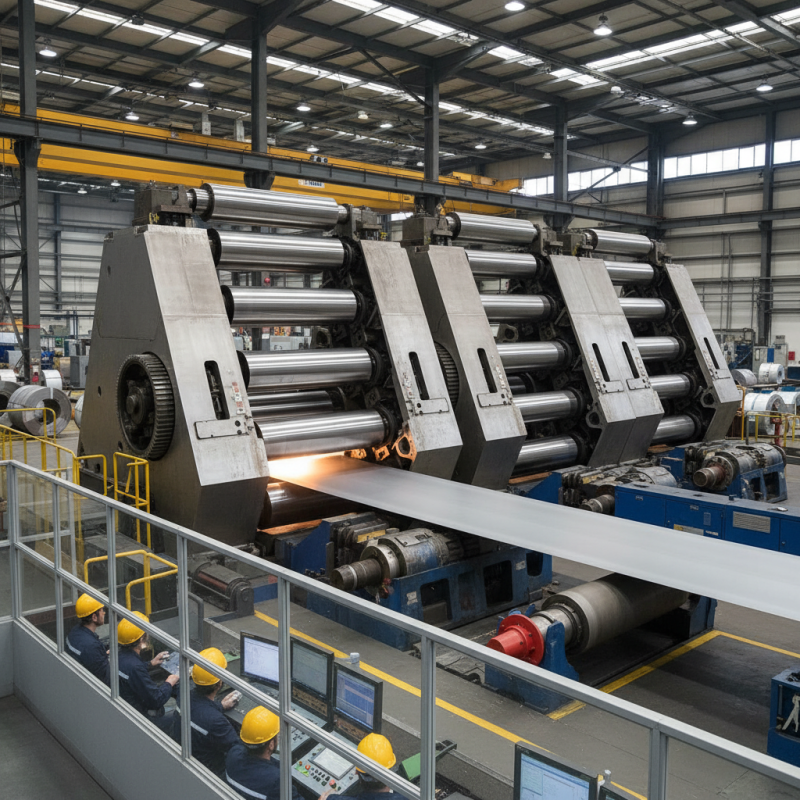
A tandem cold rolling mill consists of multiple stands. Each stand has its own set of rollers, exerting pressure on the metal. The process is efficient and fast, allowing high production rates. However, it requires careful control of parameters like temperature and speed. Too much pressure can lead to defects in the metal.
Using a tandem cold rolling mill poses several challenges. Operators must monitor the process closely. Any mistake can result in material waste or quality issues. Reflecting on these challenges helps improve operations. Understanding the function and operation of this machinery is essential for success in the industry.
What is a Tandem Cold Rolling Mill?
A tandem cold rolling mill is a vital piece of equipment in metal processing. It is designed to reduce the thickness of metal strips through multiple rolling stands. Each stand applies pressure, gradually thinning the material. This technology can produce high-quality sheets and coils in diverse metal types, including steel and aluminum.
The efficiency of tandem cold rolling mills has improved significantly. According to recent industry reports, modern mills can achieve thickness reductions of up to 98% in a single pass. They also optimize energy consumption, making them eco-friendlier. However, the setup cost for these mills is relatively high, which could be a hurdle for smaller manufacturers.
Tips: Regular maintenance is crucial for mill longevity. Check for wear on rolls often. Over time, misalignments may occur, affecting product quality. Small errors can lead to significant losses, so attention to detail is essential. Remember to analyze operational data regularly. This analysis can help identify inefficiencies. Always consider potential upgrades as technology evolves.
Key Components of a Tandem Cold Rolling Mill
A tandem cold rolling mill is essential in metal processing. The mill consists of multiple rolling stands placed in sequence. These stands reduce the thickness of metal sheets efficiently.
Key components include the rolling stands, which house the rolls. These rolls exert pressure on the metal strip. The strip travels through the stands, undergoing significant thickness reduction. According to industry reports, this process can achieve reductions of up to 80% in a single pass. Roll cooling systems also enhance efficiency, regulating the temperature during operation.
Tips: Ensure your mill's rolls are well-aligned. Misalignment can lead to uneven thickness. Regular maintenance of the cooling system is vital. A well-maintained system can improve the lifespan of your rolls and enhance productivity.
Another critical element is the automation system. It controls speed and pressure dynamically. Adjusting these parameters in real-time boosts efficiency. Industry data suggests optimized control can improve throughput by up to 30%. Yet, reliance on automation needs regular monitoring. Failure in automated systems can disrupt production. Careful calibration is essential to maintain balanced operations.
The Process of Tandem Cold Rolling: Step-by-Step Overview
Tandem cold rolling is a sophisticated process used to reduce the thickness of metal sheets. This technique involves multiple rolling stands that work in sequence. Each stand performs a part of the overall reduction, enhancing efficiency. The material enters the first stand and undergoes a series of compressions. After each pass, the thickness decreases.
In the process, the metal sheet is fed into the second stand without any interruptions. This continuous feeding saves time and energy. However, inconsistencies in thickness can arise in this stage. Operators must closely monitor the parameters. They need to adjust the tension and speed to achieve the desired thickness.
Temperature control is crucial in tandem cold rolling. If the metal overheats, it can become prone to defects. These challenges add complexity to the operation. There is a casual tendency to overlook minor fluctuations, but every detail counts. Small errors can lead to significant quality issues downstream, affecting the final product.
Benefits of Using a Tandem Cold Rolling Mill in Metal Manufacturing
Tandem cold rolling mills are essential in metal manufacturing. They streamline the process of shaping metal into thin sheets or strips. By utilizing several roll stands in sequence, they achieve higher output with precision. This method helps reduce production costs. The integration of multiple rolls allows for continuous processing, which enhances efficiency.
One significant benefit is the improved surface finish of the metal. Tandem rolling can minimize defects. This leads to higher quality products, which is crucial in industries like automotive and aerospace. However, operators must closely monitor the process. This constant vigilance ensures that thickness and width remain within specified tolerances.
Another advantage is the ability to work with various metals. Different materials can be processed, allowing for versatility. Yet, achieving the perfect balance between speed and quality can be challenging. There’s always room for improvement and adaptability in the process to meet varying demands. Understanding these nuances is essential for skilled workers in the field.
Applications of Tandem Cold Rolling Mills in Various Industries
Tandem cold rolling mills play a vital role in various industries. These mills are effective for producing thin metal strips. They function by passing metal through multiple rollers in a single set-up.
In the automotive sector, tandem cold rolling mills are crucial. They produce high-strength steel sheets for vehicle bodies. This process helps in reducing weight while maintaining safety. Similarly, the electrical industry relies on these mills for manufacturing conductive materials. A thinly rolled aluminum or copper strip is essential for cables.
Tips for improving efficiency include regular maintenance of the equipment. Clean rollers ensure a smooth process, preventing defects. Meanwhile, monitoring the temperature of the materials can lead to better outcomes. Cold rolling requires careful attention to detail. Any small oversight may impact the final product quality.