Essential Tips for Choosing the Right Damper Actuator?
Choosing the right Damper Actuator is crucial for maintaining optimal airflow in HVAC systems. According to industry reports, effective airflow management can improve energy efficiency by up to 30%. A suitable damper actuator ensures that dampers operate smoothly and respond accurately to system demands.
Yet, selecting the right damper actuator can be challenging. Factors such as actuator type, torque requirements, and environmental conditions must be considered. Many users overlook the importance of compatibility with existing systems, leading to inefficient operations and increased costs.
Consider the specifics of your application. For instance, silent operation may be necessary in a residential setting, while rapid response might be critical in a commercial environment. This complexity requires careful evaluation and sometimes, a willingness to rethink initial choices. Ultimately, the right damper actuator not only enhances system performance but also contributes to long-term savings.
Understanding Damper Actuators: Types and Applications
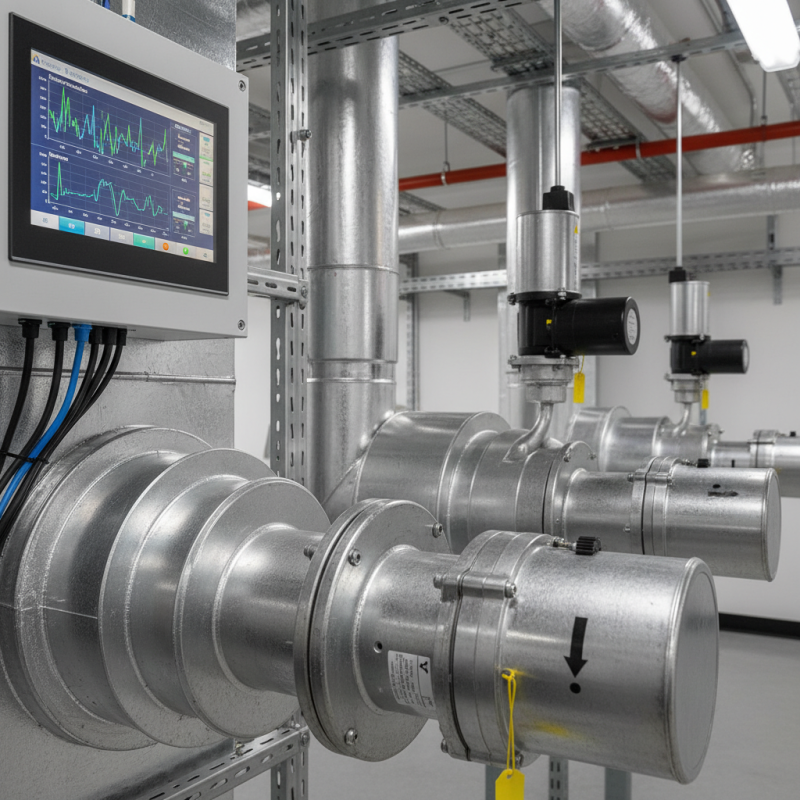
When selecting a damper actuator, understanding its types and applications is crucial. There are mainly two types: electric and pneumatic. Electric actuators are popular in HVAC systems. They offer precise control and can adjust temperatures efficiently. Meanwhile, pneumatic actuators are often used in large industrial applications. They provide strong force but may require regular maintenance.
Damper actuators play a critical role in energy efficiency. According to industry data, HVAC systems can account for up to 40% of energy use in commercial buildings. Properly selected actuators can improve airflow and reduce energy consumption. Unfortunately, many projects face challenges in this area. A mismatch between the actuator type and system requirements can lead to poor performance.
What about the application? Each actuator type has its strengths. Electric actuators are generally quieter and easier to install. However, they may not work well in hazardous environments. On the other hand, pneumatic options excel in high-pressure applications but can be less precise. This contrast can cause confusion when making decisions. Often, professionals overlook critical parameters like response time and control signal compatibility.
Essential Tips for Choosing the Right Damper Actuator - Understanding Damper Actuators: Types and Applications
| Type of Damper Actuator | Applications | Torque Rating (Nm) | Control Signal |
| Electric Actuator | HVAC systems, industrial processes | 5-50 Nm | 0-10V, 4-20mA |
| Pneumatic Actuator | Power plants, wastewater treatment | 10-100 Nm | Air pressure control |
| Hydraulic Actuator | Heavy machinery, large-scale HVAC | 100-300 Nm | Hydraulic pressure |
| Spring Return Actuator | Fire and smoke control systems | 5-20 Nm | Fail-safe mechanism |
Key Factors to Consider When Selecting a Damper Actuator
When selecting a damper actuator, several key factors should be considered. The type of application is crucial. Is it for HVAC systems, industrial processes, or another use? Each application may need different performance characteristics. Power requirements also matter. Some actuators need high torque, while others require quick response times. Ensuring the actuator meets these needs is vital.
Environmental conditions can impact actuator performance. Consider temperature ranges and humidity levels. For instance, extreme conditions might necessitate specialized materials. Actuator size is another important detail. A compact design might work better in tight spaces. But, larger models can offer better performance.
Finally, maintenance needs shouldn't be overlooked. Some actuators require regular checks, while others are more user-friendly. It's easy to overlook this, but it can lead to unexpected issues. Balancing all these factors can be challenging. Each choice may seem right at first, but might not work long-term.
Evaluating Performance Requirements for Your Damper Actuator
When selecting a damper actuator, evaluating performance requirements is crucial. Start by considering the application. Different environments demand various types of actuators. For instance, high-temperature settings might need specialized materials. This focus on specific conditions can enhance actuator lifespan and operation efficiency.
Next, assess the torque requirements. A damper actuator's performance hinges on how much torque it can deliver. Too little torque can lead to underperformance. Conversely, excessive torque might cause system stress. Knowing the exact specifications can prevent costly mistakes. You may find yourself experiencing issues if the actuator doesn't match your system.
Another key factor is speed. Some applications require quick response times, while others can manage slower actuation. It's essential to identify the right balance. Trial and error might be necessary. Sometimes, the actuator might not perform as expected in real-world scenarios. Reflecting on these drawbacks can lead to better decision-making in future projects. Careful analysis of all these elements will ensure a reliable and efficient damper actuator selection.
Assessing Compatibility with Existing HVAC Systems
When selecting a damper actuator, compatibility with existing HVAC systems is crucial. The actuator must suit the specific needs of your setup. Consider factors such as size, voltage, and control signals. Not all actuators work with every system. A mismatch can lead to inefficiencies or failures.
Assessing compatibility means taking a detailed look at your current components. Check the specifications of your existing dampers. Are they designed for motorized operation? Understand how they interact with your building’s climate control. It’s also important to consider installation space. Some actuators require ample room for mounting and operation.
Sometimes, users overlook smaller details. For instance, the wiring and feedback loops are essential in creating a seamless integration. Inadequate wiring can disrupt communication between the actuator and the system. Reflect on whether your current setup can accommodate the actuator’s demands. It’s not just about making a selection; ensure it enhances your system's efficiency. Compatibility is more than a checkmark—it's a pathway to improved performance.
Maintenance and Troubleshooting Tips for Damper Actuators
When dealing with damper actuators, regular maintenance is crucial. Checking the actuator’s alignment is a key step. Misalignment causes excessive wear. Inspect for any signs of corrosion or physical damage. If the actuator is noisy, this often indicates a build-up of debris. Make sure to clean the components regularly.
Troubleshooting can be tricky. Look for electrical issues first. Ensure there are no loose connections. Voltage checks can reveal hidden problems. If the actuator is not responding, verify the control signals. Sometimes, updating the software can fix unresponsive devices. It's good to document any issues. This helps to identify recurring problems.
Regular inspections help spot potential issues early. Some users overlook simple checks. Taking the time now can save time later. If the actuator fails, consider the environment it operates in. Extreme temperatures can affect performance. Reflecting on these factors is essential for long-term efficiency. Even minor oversights can lead to bigger problems down the road.
Essential Tips for Choosing the Right Damper Actuator
This chart illustrates essential parameters to consider when choosing a damper actuator. It highlights average values for load capacity, response time, power consumption, operating temperature, and cost, aiding in informed decision-making.