
China’s cement industry includes equipment suppliers serving projects from single production lines to complete plants. Choosing among them is not a simple price comparison. A Cement Plant depends on reliable engineering, suitable process design, and equipment that can withstand heat, dust, and continuous operation. Details matter.
This guide introduces ten Chinese manufacturers worth examining when planning a new facility or upgrading an existing line. It considers practical factors such as rotary-kiln experience, raw-material preparation, grinding systems, automation, installation support, and spare-parts access. These capabilities can affect fuel use, product consistency, maintenance time, and project schedules. A polished brochure alone proves little. Evidence matters. Buyers should verify references, technical specifications, service coverage, and performance guarantees directly with each supplier.
The companies discussed may differ widely in scale and specialization. Some focus on complete engineering, procurement, and construction services, while others concentrate on core machinery or selected process stages. The right fit depends on local raw materials, required output, energy costs, emissions targets, and available technical staff. No list can replace a site-specific assessment. Even a respected supplier may not suit every project, and published capacity figures can be difficult to compare without shared assumptions. Use this overview as a starting point, then request recent project records and speak with plant operators where possible. A careful comparison can reveal strengths that marketing materials miss—and gaps that deserve closer questions.
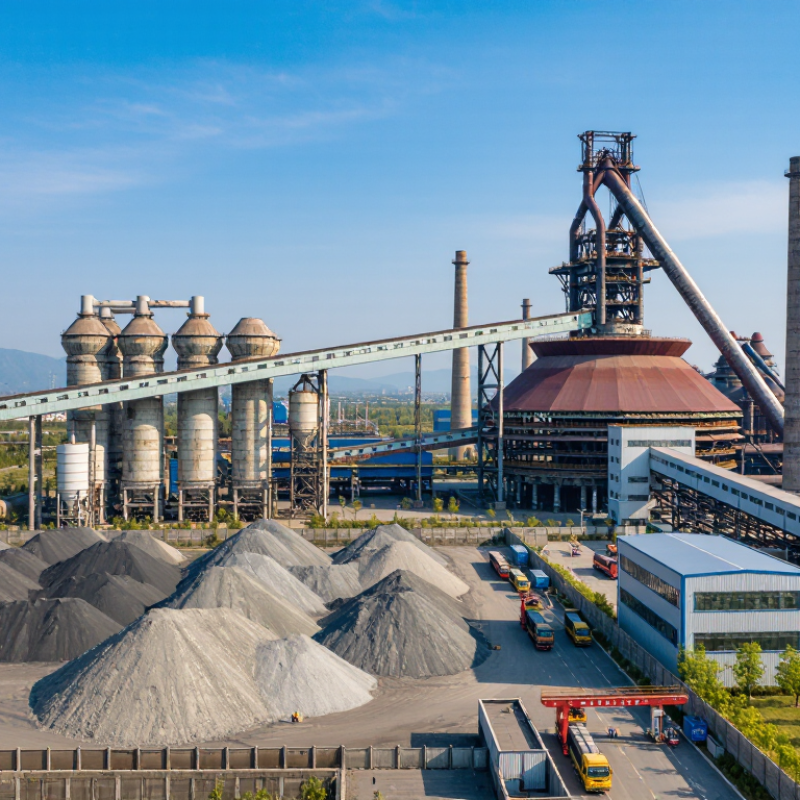
China’s cement plant manufacturing industry serves a large building-materials sector, supplying equipment for new production lines and upgrades. Its capabilities commonly include process design, crushing, raw-material grinding, rotary kilns, clinker cooling, and cement dispatch. Many manufacturers also integrate electrical controls, emissions monitoring, and waste-heat recovery systems.
The practical details matter. Kiln temperature stability, fuel use, and maintenance access can affect operating costs for years.
Suppliers are therefore assessed not only by equipment capacity, but also by commissioning support, spare-parts availability, and process reliability.
The industry is adapting to demand for more efficient plants and lower energy use. Existing facilities may add improved grinding systems, automation, or heat-recovery equipment instead of replacing an entire production line. Export projects bring extra challenges, including transport, installation schedules, local operating conditions, and staff training.
Data can be uneven.
A polished specification sheet rarely explains how equipment performs under a particular site’s raw materials or climate. Buyers should examine reference projects, service arrangements, and realistic performance guarantees, while recognizing that results depend on installation quality and day-to-day operation. Not every line is new.
For buyers comparing Chinese cement-plant manufacturers, the key question is what each supplier can deliver beyond major machinery. A production line typically includes limestone crushers, raw mills, preheaters, rotary kilns, clinker coolers, cement mills, and packing systems. Crushers set the feed size; kiln controls help maintain stable burning conditions. Dust collection and process automation also matter. Small details matter. Ask how equipment performance is tested, and what commissioning and maintenance support is included.
The International Energy Agency’s 2023 cement-sector analysis estimates that cement production causes about 7% of global CO2 emissions. This makes energy efficiency and emissions control practical purchasing criteria, not just brochure claims. Manufacturers may offer waste-heat recovery, alternative-fuel handling, emissions monitoring, and plant upgrades. The GCCA’s 2021 Net Zero Roadmap identifies efficiency and cleaner energy among the sector’s decarbonisation levers. Yet upgrades can require substantial capital and may not suit every site. That trade-off deserves scrutiny. Request project-specific energy figures, service response times, and clear performance-testing methods before comparing proposals.
A practical overview of major equipment and service areas commonly covered by cement plant suppliers. The rows are capability categories, not a company ranking; actual supply scope varies by project and supplier.
| No. | Plant Area | Key Equipment Typically Supplied | Related Services | Main Function |
|---|---|---|---|---|
| 1 | Quarrying and raw-material handling | Primary crushers, apron feeders, belt conveyors, stackers and reclaimers | Equipment sizing, layout coordination, installation supervision and commissioning | Reduces and transports limestone and other raw materials for processing and storage. |
| 2 | Raw-material preparation | Raw mills, vertical roller mills or ball mills, separators, and conveying equipment | Process design, grinding-system selection, performance testing and operator training | Grinds and blends raw materials into a suitably fine and consistent raw meal. |
| 3 | Raw-meal homogenization | Blending silos, aeration systems, bucket elevators and discharge equipment | Silo and material-flow design, controls integration and commissioning support | Helps even out variations in raw-meal composition before kiln feeding. |
| 4 | Pyroprocessing and clinker production | Preheaters, precalciners, rotary kilns, burners, coolers and clinker conveyors | Process engineering, refractory guidance, start-up assistance and performance optimization | Heats prepared raw meal to form clinker and cools the clinker for downstream handling. |
| 5 | Fuel preparation and firing | Coal or alternative-fuel mills, fuel storage and feeding systems, and burner equipment | Fuel-system design, combustion tuning, safety reviews and operating support | Prepares and meters fuels used to provide heat for the kiln and related processes. |
| 6 | Clinker and cement grinding | Cement mills, vertical roller mills or ball mills, separators, and dosing systems | Grinding-circuit design, product-quality testing, commissioning and optimization | Grinds clinker with gypsum and, where specified, other constituents to produce cement. |
| 7 | Dust collection and emissions control | Bag filters, electrostatic precipitators, ducts, fans and monitoring interfaces | System engineering, installation support, maintenance planning and compliance testing support | Captures dust from process gas streams; applicable emissions controls depend on the plant and local requirements. |
| 8 | Electrical, instrumentation and automation | Motors, drives, sensors, analyzers, control panels and distributed control systems | Controls integration, instrumentation calibration, software configuration and operator training | Monitors and coordinates equipment operation, process conditions and plant alarms. |
| 9 | Storage, packing and dispatch | Cement silos, packing machines, bulk loading systems, palletizing equipment and conveyors | Material-flow planning, system integration, commissioning and maintenance support | Stores finished cement and prepares it for bulk delivery or bagged distribution. |
| 10 | Project delivery and lifecycle support | Plant-wide equipment packages, spare parts and diagnostic tools, depending on contract scope | Feasibility and engineering studies, procurement coordination, construction supervision, commissioning, training and after-sales service | Supports project execution and ongoing plant operation; the level of service depends on the supply contract. |
Assessing China’s cement plant manufacturers requires more than comparing quoted prices or kiln capacity. Buyers should examine process design, production stability, fuel flexibility, and the ability to meet local raw-material conditions. China’s National Bureau of Statistics reported cement output of about 2.02 billion tonnes in 2023, showing the scale and diversity of its market. That matters. A capable supplier should provide verifiable operating data, not only design guarantees.
Energy and emissions performance deserve close scrutiny. The International Energy Agency estimates that cement production accounts for roughly 7% of global carbon dioxide emissions. Ask for measured heat consumption per tonne of clinker, electricity use, dust-control performance, and emissions data from comparable installations. Check the measurement period and plant conditions. A single “best-case” figure can mislead, especially when fuel quality or equipment age differs.
After-sales support is equally practical: spare-parts availability, commissioning timelines, operator training, and response arrangements should be documented. Request references from plants with similar capacity and feed materials, then verify uptime and maintenance records directly where possible. No scorecard is perfect. I would give less weight to glossy efficiency claims than to audited results, though even audited data may not capture every site’s constraints.
Industry-wide production provides context for assessing a cement plant manufacturer’s capacity planning, project experience, and ability to adapt to changing market demand. These figures are not company-specific.
Source: National Bureau of Statistics of China, annual cement output statistics. Output is shown in billion metric tonnes.
Profiles of ten notable Chinese cement plant manufacturers are most useful when they show what each supplier actually builds. Some focus on complete production lines, from raw-material handling to clinker cooling. Others specialize in rotary kilns, grinding mills, or automated control systems. A few concentrate on dust collection and heat recovery. Retrofit-focused suppliers may help older plants replace worn equipment without rebuilding every section. Modular designs can suit smaller projects, while high-capacity lines demand careful checks on utilities, site access, and commissioning support. Details matter.
A credible profile should state the supplier’s role, equipment scope, and service reach. It should also distinguish installed references from proposed capabilities. Ask for comparable project data, such as kiln output, fuel use, and commissioning time. These figures need context; raw numbers alone can mislead. A polished ranking may still leave gaps, especially around spare-parts availability and local technical support.
Tips: Request a process-flow diagram and a clear equipment list. Confirm what is included in installation and training. Check how performance guarantees are measured. Visit a running plant when practical, and speak with its operators. Plans look tidy on paper. Real sites rarely do.
When comparing China’s top cement plant manufacturers, technology, capacity, and service reveal more than a ranking alone. A supplier’s technical proposal should explain kiln design, heat recovery, emissions controls, and automation in practical terms. Ask how each system performs with the raw materials and fuel available at your site. A modern control room matters. So does reliable equipment on the production floor.
Capacity figures need careful reading. Annual output may assume ideal feed quality, stable power, and minimal downtime. Request the basis behind quoted figures, plus references from plants with similar operating conditions. Check whether proposed upgrades can be installed without lengthy shutdowns. Larger capacity is not always better if local demand or logistics cannot support it. Numbers need context.
Service can determine whether a plant runs smoothly after commissioning. Compare training, spare-parts availability, response times, and remote diagnostic support. Ask who handles maintenance planning and whether technicians can visit the site when needed. Review service commitments in writing, not just presentation slides. A polished proposal is useful, but it cannot guarantee a smooth project. I would also compare actual performance records, because published figures do not tell the whole story.
5107 County Road C
Manitowoc, WI 54220
920-726-4526
