Top Aluminum Welder Machines for Global Buyers How to Choose?
Choosing the right Aluminum Welder Machine can be challenging for many buyers. The market offers a wide range of options, each with unique features. This creates confusion for those unfamiliar with welding. It's essential to understand what you need before making a decision.
Factors such as welding thickness, portability, and power sources significantly influence the choice. Many buyers often overlook these critical aspects. It's not only about the machine's capabilities but also how they align with your projects. A reputable Aluminum Welder Machine takes experience and customer feedback to ensure reliability.
As industry demands evolve, staying informed on the latest technologies is crucial. Buyers should explore trusted brands and consider warranties or support services. This approach helps avoid potential pitfalls and ensures you invest wisely. Balancing functionality and budget can be tricky, but thorough research pays off in the long run.
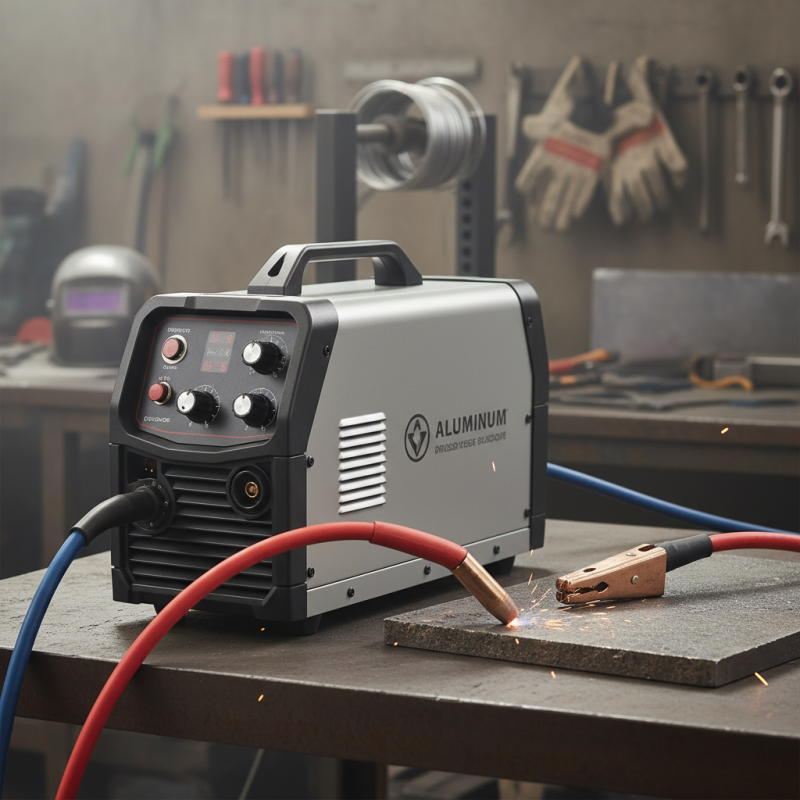
Top Aluminum Welding Machines: Key Features to Consider
When selecting aluminum welding machines, key features play a crucial role. Durability and performance are vital. Aluminum can be reactive; therefore, a reliable machine must handle heat effectively. Look for models with strong cooling systems. This helps maintain a stable temperature during prolonged use.
Another essential factor is versatility. The best machines adapt to various aluminum thicknesses. Whether working on thin sheets or thicker materials, adjustability is a must. Consider the ease of use and settings. A user-friendly interface can save time and frustration. Some machines feature digital displays, making adjustments simpler.
Weld quality is paramount. The right machine ensures clean and precise welds, minimizing defects. Look for options with pulse features; these enhance control over the welding arc. However, not every machine excels in every area. Some may struggle with inconsistent feed rates or require practice to master. Invest time in understanding the machine's quirks for better results.
Top Aluminum Welder Machines for Global Buyers
This chart compares the key features of various aluminum welder machines based on their weight, amperage, and price. It helps buyers understand which features may suit their needs best.
Evaluating Performance: Welding Speed and Quality in Aluminum Welders
When evaluating aluminum welders, two vital aspects stand out: welding speed and quality. Speed determines how quickly you can complete projects, while quality affects the durability of your welds. High-speed welders can save time, but they must maintain excellent weld integrity. Otherwise, the final product may not withstand stress.
Tips for choosing an aluminum welder:
- Consider your project requirements first. Different tasks demand varying speeds and levels of precision.
- Ensure the welder can adapt to your skill level and the specific aluminum types you work with.
- Look out for machines that provide adjustable settings, enabling you to balance speed and quality.
Also, don't overlook the learning curve associated with welding machines. Some welders can be complex for beginners. Experimenting with different settings can yield unexpected results and insights. Track your progress and record variations in weld quality. These reflections will enhance both your skills and decision-making in future projects.
Portability and Size: Finding the Right Fit for Your Workspace
When selecting an aluminum welder machine, portability and size are crucial factors. According to industry research, nearly 70% of welders prioritize these traits due to workspace constraints. Compact machines offer flexibility in tight areas, making them ideal for mobile applications. Weighing less than 40 pounds can enhance maneuverability, allowing users to transport the machine easily across job sites.
Tips: Measure your workspace before choosing a machine. Consider not just the welding area, but also how much room you have for storage.
Additionally, consider the machine's power source. Battery-operated machines can add convenience but may sacrifice performance. Electric models might require a dedicated workspace but often deliver higher output. Balancing size with power needs can be challenging. Many users report facing limitations when opting for smaller machines without fully assessing their power requirements.
Tips: Read reviews from fellow welders to gauge performance expectations. Prioritize options that offer adjustability too. This flexibility can help in adapting to different tasks.
Budget Considerations: Understanding Cost vs. Features in Welders
When choosing an aluminum welder, budget plays a crucial role. Understanding the balance between cost and features is essential. Expensive models often offer advanced technologies, improving efficiency. However, this doesn’t mean budget-friendly options are ineffective. Many welders provide solid performance for less, making them worth considering.
Diving into features, look for duties and power settings. Lower-priced welders may lack adjustability, restricting versatility. A model with a wider range of settings can accommodate different tasks. But, higher costs can come with unnecessary features for beginners. It’s vital to assess your needs and avoid overspending on features you may not use.
Explore user reviews and discussions to gauge reliability. A welder that consistently delivers strong performance is often preferred. Researching builds quality can prevent future regrets. Budget wisely, think critically about what you truly need, and avoid impulse decisions. It’s a journey that demands patience and due diligence.
Brand Reputation: Trusted Manufacturers in the Aluminum Welding Industry
Choosing the right aluminum welder machine often hinges on brand reputation. Well-known manufacturers typically ensure high quality and durability. Reports indicate that around 70% of buyers prioritize established brands when making their choices. This trust comes from years of proven performance and innovation in the industry.
A trusted brand assures users of reliable equipment. However, not all recognized names handle new technologies. Some struggle to adapt to modern advances, which may leave users with outdated tools. Research indicates that around 30% of welders face this issue. It is crucial to evaluate how updated equipment is and how well it incorporates the latest welding technologies.
Tips for selecting a brand include checking industry reviews and feedback from experienced welders. Look for certifications that speak to safety and performance. Additionally, assessing the longevity of the manufacturer in the market can provide insight into their overall reputation. Remember, while brand reputation matters, personal reviews and performance metrics are invaluable too.