
An Automatic Transmission Filter may look like a small component, yet it helps protect delicate valve bodies, pumps, and clutch systems from debris. In a service bay, the difference can be visible: a clean filter, a sound gasket, and fluid moving without restriction. Still, no filter can correct worn clutches or neglected maintenance. That distinction matters.
Wayne Colonna, a recognized transmission educator, offers a useful service principle, paraphrased here: “Good transmission service begins with clean fluid and the right filtration.” It is simple. It also invites a necessary question: does the replacement filter actually match the transmission’s design and operating needs? Buyers should check fitment data, materials, sealing surfaces, flow requirements, and supplier quality controls—not just price or a familiar logo.
This overview introduces ten Automatic Transmission Filter suppliers serving markets around the world. Their product ranges, distribution reach, and technical support can differ considerably. Some serve original-equipment programs; others focus on replacement parts or regional distribution. A supplier’s catalog may look impressive, but catalog depth alone is not proof of consistent performance. That is worth remembering. The list is a starting point, not a universal ranking. Verify specifications against the vehicle or transmission application, and confirm current availability with the supplier. Details can change. Even experienced buyers can miss a small fitment difference, especially when model years share similar names.
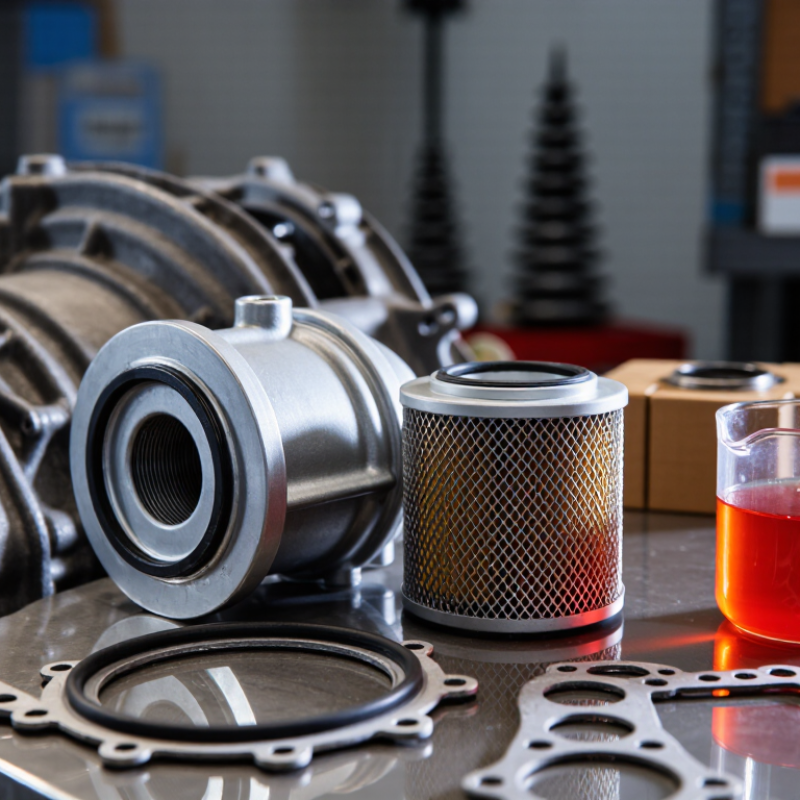
Automatic transmission filters help keep fluid clean enough to support hydraulic pressure, lubrication, and smooth gear changes. They capture friction material, dust, and small metal particles produced during normal wear. Cleaner fluid helps protect valves and clutch components, though a filter cannot repair worn parts.
Small parts matter.
Filter designs vary by transmission. A sump filter sits inside the transmission pan and draws fluid toward the pump; some use a simple screen, while others contain finer filter media. External inline filters are installed along a fluid line and can be easier to access, but they are not used on every vehicle. Some systems also use magnets to collect ferrous particles, which complement filtration rather than replace it.
A clogged or damaged filter may restrict flow, but slipping shifts can have many other causes. Inspection should follow the vehicle’s service information, since access and replacement procedures differ. One detail is easy to overlook: a screen may look clean while still requiring careful inspection. Filter choice should match the transmission’s design, not just its shape.
Comparing worldwide automatic transmission filter suppliers starts with fitment accuracy. Check whether catalogs list transmission codes, vehicle years, and cross-referenced part dimensions. A filter that looks correct may still have the wrong seal depth. Ask for drawings or samples when application data is unclear.
Review technical evidence, not just broad efficiency claims. Useful documents include media specifications, flow-rate data, pressure-drop results, and bypass-valve settings. Confirm that test conditions are stated; numbers without methods are difficult to compare. Ask how suppliers control pleat spacing, adhesive coverage, and end-cap bonding. Small defects matter. A loose seam can allow unfiltered fluid to pass. A polished catalog can still hide gaps.
Reliability also depends on traceability and practical delivery. Compare lot identification, inspection records, packaging protection, minimum order quantities, and quoted lead times. For international shipments, clarify how cartons resist moisture and handling damage. Request the process for reporting defects and obtaining technical answers. A supplier may offer strong pricing but limited application support. That trade-off is easy to underestimate. No single score captures every need, so record where evidence is missing and revisit assumptions before placing a large order.
Suggested weighting for a supplier evaluation. These percentages represent the relative importance of each criterion, not ratings or verified performance data for any supplier.
Compare filtration performance and product quality using documented specifications and test evidence. Check fitment coverage against the vehicle applications you serve, then assess production capacity, lead times, and the availability of technical documentation and support.
A useful comparison of automatic transmission filter suppliers begins with engineering capability, not catalog size. One supplier profile is the transmission-system specialist, often able to match filter geometry to specific valve-body layouts. Another focuses on filter media, where pleat spacing and fiber structure affect fluid flow and particle capture. A third produces molded housings and emphasizes dimensional consistency. Fit matters most. Even a small mismatch can complicate installation.
Other profiles include suppliers with broad replacement catalogs, regional distributors with short delivery routes, and manufacturers serving vehicle assembly programs. Some offer complete filter-and-gasket kits; others concentrate on metal screens, stamped supports, or sealing components. Ask for material specifications, application coverage, and inspection records. A clean sample and a clear drawing tell more than a vague claim of “premium quality.” Packaging matters too, especially when filters travel through humid warehouses.
The remaining profiles may specialize in commercial vehicles, export markets, custom production, or technical support. Strong suppliers can explain how they verify dimensions and manage changes between production batches. They should also clarify whether a listed filter is tested for the intended transmission application. That detail is sometimes missing. Buyers should compare lead times, traceability, and return procedures alongside price. A lower quote can still cost more if fitment checks or documentation are weak. I would not treat any single metric as decisive; supplier data can look complete while leaving practical questions unanswered.
Automatic transmission filter suppliers commonly offer pan-mounted screens, replaceable cartridge elements, and complete filter-and-gasket kits. Each design serves a different housing layout and service method. Fine media can capture wear particles, while a pickup screen helps prevent larger debris from entering the pump. Materials and sealing surfaces matter; a filter that looks correct may still restrict flow or leak if dimensions differ.
Product ranges often cover passenger cars, vans, light trucks, buses, and heavy-duty vehicles. Some suppliers also list applications for agricultural and construction equipment, where operating hours and dusty conditions can increase service demands.
Fit matters most. Buyers should compare the vehicle year, engine, transmission code, filter shape, pickup depth, and gasket pattern against reliable service information. These details help reduce mismatches, but catalogs can still contain gaps or unclear cross-references. That part deserves a second check.
For fleet maintenance, consistent availability and clearly stated replacement intervals can be as practical as a wide range. The right choice depends on the transmission design and the vehicle’s actual duty cycle, not just its model name.
Automatic transmission filter suppliers are judged not only by price, but by repeatable quality and dependable delivery. Buyers should request documented inspection plans, material specifications, and batch traceability. For filter media, frame fit, seal compression, and flow performance need clear acceptance limits. A sample that fits one housing may still fail after heat cycling. Details matter.
Quality systems help make those checks consistent. Ask whether the supplier maintains an audited quality program, such as IATF 16949, where applicable, and how it handles nonconforming parts. Review test records, not just certificates. A polished audit file can still miss a weak inspection step; that is worth questioning. Global supply networks add another layer. Regional warehouses, qualified backup production, and realistic lead-time data can reduce disruption when ports or material availability change. Confirm which site makes each part, and whether production can shift without changing specifications.
Tips: Compare actual sample measurements with the drawing before approving production. Ask for recent delivery performance and a written escalation contact. Keep a small buffer for critical filters, but review it against shelf life and demand. It is easy to overstock. Check again when designs or suppliers change.
5107 County Road C
Manitowoc, WI 54220
920-726-4526