Stecker Machine Blog

Who Are the Top China Vertical Milling Machine Suppliers?

Choosing among China’s top Vertical Milling Machine suppliers requires more than comparing catalog prices. A reliable supplier should demonstrate manufacturing experience, stable quality control, and clear technical documentation. Buyers should examine spindle accuracy, table travel, motor power, casting quality, and control-system options. Small details matter. A rough handwheel or inconsistent finish may reveal deeper production issues.

This guide evaluates leading Chinese manufacturers through practical purchasing criteria. These include factory capabilities, inspection procedures, customization experience, export records, and after-sales support. A serious supplier should explain tolerance testing, packaging protection, installation guidance, and spare-parts availability. Certifications can support credibility, but they should not replace direct evidence. Factory audits, sample machining, and reference checks provide stronger insight.

“Top” does not always mean the largest company. A workshop producing precision parts may need a different partner from a high-volume automotive plant. Some suppliers offer excellent prices but limited overseas service. Others provide responsive support but charge more for customization. Public information can also be incomplete. That deserves careful reflection. Readers should verify claims through videos, inspection reports, customer feedback, and live technical discussions. The following outline compares notable China Vertical Milling Machine suppliers and explains where each may perform best. It also considers common risks, including unclear specifications, delayed communication, inconsistent components, and weak commissioning support. The goal is practical guidance, not an effortless ranking. The right decision depends on accuracy requirements, production volume, budget, and long-term service expectations.
Who Are the Top China Vertical Milling Machine Suppliers?

What Is a Vertical Milling Machine?

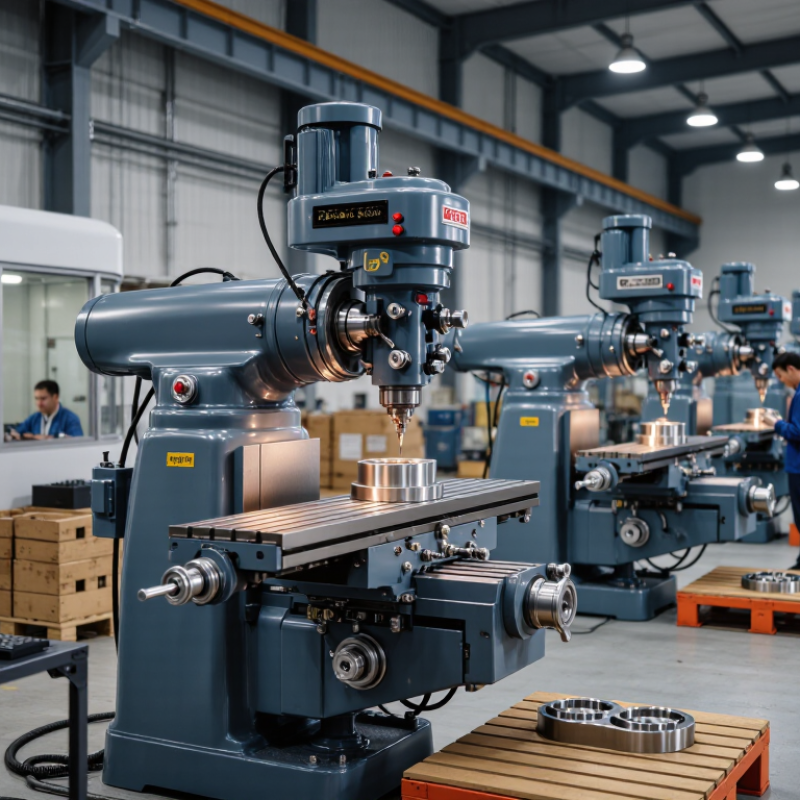
A vertical milling machine is a metal-cutting tool with a spindle positioned above the worktable. The spindle holds a rotating cutter that removes material from a fixed workpiece. Unlike a drill press, it can cut slots, pockets, faces, and angled surfaces with controlled movement. The table usually travels along three axes: left and right, forward and backward, and upward and downward. Some advanced machines add rotary or tilting axes.

In practical workshops, operators use vertical mills for prototypes, repair parts, fixtures, and small production runs. A vise clamps the workpiece, while cutting tools shape steel, aluminum, brass, or engineering plastics.

Feed rate, spindle speed, tool geometry, and coolant greatly affect the finished surface. Even a strong machine can produce poor results when the workholding is weak. That distinction matters.

When comparing China vertical milling machine suppliers, buyers should examine spindle accuracy, table travel, casting quality, electrical components, and inspection records. Ask for test-cut videos, dimensional reports, and clear service terms. I would also check how the supplier handles replacement parts and operator training. A low price can hide alignment problems or inconsistent assembly. Not always. Specifications alone cannot reveal vibration, noise, or awkward controls. A factory visit or independent inspection often exposes details that brochures miss. My own preference is practical: test the machine with a sample part resembling the real workload, then measure its accuracy after repeated cuts.

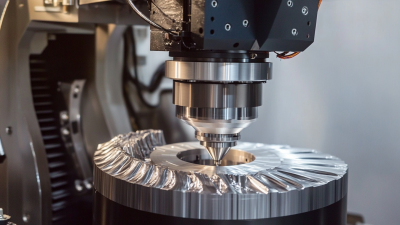
How to Evaluate Chinese Vertical Milling Machine Suppliers

When evaluating Chinese vertical milling machine suppliers, look beyond attractive catalogs and low quotations. A capable supplier should provide clear specifications for spindle speed, table size, travel range, motor power, positioning accuracy, and machine weight. Ask for engineering drawings, inspection records, and a video showing the machine under load. Details matter.

Request a sample acceptance plan before placing an order. It should define spindle runout, table flatness, feed accuracy, noise, vibration, and test-cut results. Ask how these measurements are taken and which instruments are used. Verify calibration records through recognized third parties. A certificate alone is not enough.

Visit the factory when possible, or arrange an independent audit. Check assembly areas, storage conditions, wiring quality, and final inspection procedures. Speak with recent customers about delivery accuracy, training, spare parts, and response times. Do not judge production capacity from one busy showroom. It can mislead.

Review the contract carefully. Include drawings, tolerances, packaging requirements, commissioning support, warranty terms, and replacement-part responsibilities. Confirm whether the quoted price includes installation tools and operator training. Communication is another test. A reliable supplier answers technical questions directly and admits limitations. I would treat vague promises as a warning, even when the machine looks impressive. Small omissions can become expensive delays.

Which China Suppliers Lead in Machine Quality and Innovation?

China’s leading vertical milling machine suppliers compete through machine quality, practical innovation, and dependable support.

Strong manufacturers usually control casting, machining, assembly, and final inspection in-house. This reduces variation between production batches.

Look for rigid cast-iron columns, hardened guideways, and accurately ground worktables. These details affect surface finish during heavy cutting.

A stable spindle should maintain speed under load, with measured runout reported in technical documents. Leading suppliers also develop automatic tool changers, touchscreen controls, remote diagnostics, and energy-saving drive systems.

However, advanced features do not guarantee better results. A complicated interface can slow operators during a busy shift. I have seen impressive specifications fail when service teams lacked training.

Tips: Request sample-cut videos and independent inspection records. Ask for machining accuracy after continuous operation, not only after installation. Check spare-part availability, response times, and software support before placing an order. Speak with users running similar materials and batch sizes. Their daily experience may reveal weaknesses that brochures hide.

Reliable suppliers welcome factory audits and explain tolerance limits clearly. They should provide calibration certificates, maintenance schedules, and operator training.

Quality also depends on careful installation, foundation strength, coolant control, and regular alignment checks. Some suppliers still improve quickly, but documentation can remain inconsistent. That deserves attention.

A clear warranty is useful, yet a responsive engineering contact often matters more. Manufacturers that combine proven mechanical design with measured automation usually lead China’s competitive milling machine market.

What Industries Use Chinese Vertical Milling Machines?

Chinese vertical milling machines serve industries that need repeatable cutting, compact floorspace, and flexible batch production. Automotive suppliers use them for engine brackets, transmission housings, jigs, and aluminum fixtures. Electronics manufacturers machine thermal plates, connector molds, and small precision frames. These jobs often require three-axis machining, automatic tool changing, and stable performance across long shifts.

Aerospace workshops also use vertical machining centers for prototypes and low-volume components. They process aluminum, titanium, and engineering plastics, although difficult alloys demand stronger spindles and stricter process control. Medical-device manufacturers machine surgical handles, implant instruments, and inspection fixtures. According to Grand View Research, the global CNC machine market was valued at more than US$88 billion in 2022, with continued growth expected through 2030. That expansion reflects wider adoption across precision manufacturing, not one single sector.

General engineering remains a major user. Chinese machines produce pump bodies, agricultural parts, molds, and maintenance components for factories. Smaller workshops value their relatively compact footprint and accessible operating costs. UNIDO’s International Yearbook of Industrial Statistics 2024 identifies China as the world’s largest manufacturing base by industrial output, creating substantial demand for machine tools. Yet purchase decisions should not rely on price alone. Accuracy testing, spindle heat control, after-sales training, and local service capacity matter greatly. My practical concern is simple: a machine can look impressive in a showroom, then struggle with vibration, coolant management, or inconsistent tooling. That risk deserves careful verification.

How to Select the Right Supplier for Your Requirements

Who Are the Top China Vertical Milling Machine Suppliers?

How to Select the Right Supplier for Your Requirements

Choosing a vertical milling machine supplier requires more than comparing online prices. The right supplier should understand your materials, tolerances, production volume, and workshop space. I have learned that a machine built for aluminum may struggle with continuous steel cutting. Ask for spindle power, table load, travel range, positioning accuracy, and recommended cutting conditions.

Request a sample machining test using your own drawing or a similar workpiece. Inspect surface finish, hole accuracy, cycle time, and tool wear. A polished catalog can still hide practical limitations.

Visit the factory, if possible. Watch how technicians assemble the spindle, protect guideways, and inspect finished machines.

Look for documented quality procedures and traceable inspection records. Details matter.

Reliable after-sales support is equally important. Confirm spare-parts availability, remote troubleshooting, installation guidance, training, and warranty coverage. Ask for customer references from companies with similar workloads.

One missed replacement sensor can stop production for days. This matters.

Compare the full ownership cost, including tooling, shipping, installation, maintenance, and energy use. Do not choose only by the lowest quotation. I also recommend checking communication before ordering. Slow or unclear replies may become serious problems later.

Sometimes, the cheapest machine is simply the most expensive lesson. A capable supplier should answer technical questions directly and admit where its machine is not suitable.