Who Are the Top CNC Machining Parts Manufacturers in China?
Choosing a supplier for Cnc Machining Parts means looking beyond a polished website. Buyers need evidence of process control, dimensional accuracy, material traceability, and reliable delivery. China offers a broad supplier base, from small job shops to integrated factories. That range creates opportunity. It also makes careful screening essential.
The International Federation of Robotics reported 276,288 industrial robots installed in China in 2023, or 51% of global installations, in its World Robotics 2024 report. This provides useful context for China’s manufacturing capacity. It does not prove that any individual supplier can hold a tight tolerance or deliver consistent parts. Robots do not replace inspection records. A sensible comparison should examine equipment, engineering support, quality systems, and experience with the required material and finish. Ask how a factory checks a machined aluminum housing, for example, and whether it can share measurement results against the drawing. Request material certificates and a first-article inspection report when the project requires them.
This guide introduces leading Chinese CNC machining manufacturers and the capabilities buyers should compare. Rankings can vary by application, order volume, and evaluation criteria. A large factory may suit repeat production, while a smaller specialist may communicate better on a complex prototype. Neither is automatically the right choice. Check the evidence, clarify specifications, and test communication before committing. Even a strong shortlist needs scrutiny.
What CNC Machining Parts Manufacturers in China Do
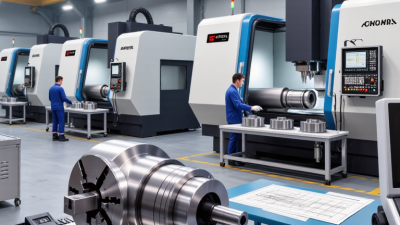
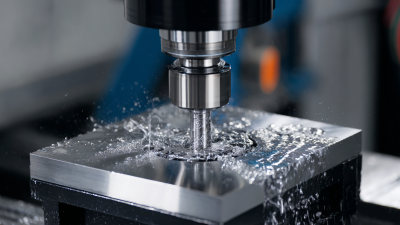
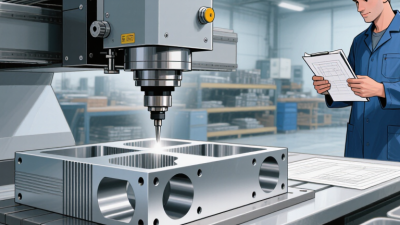
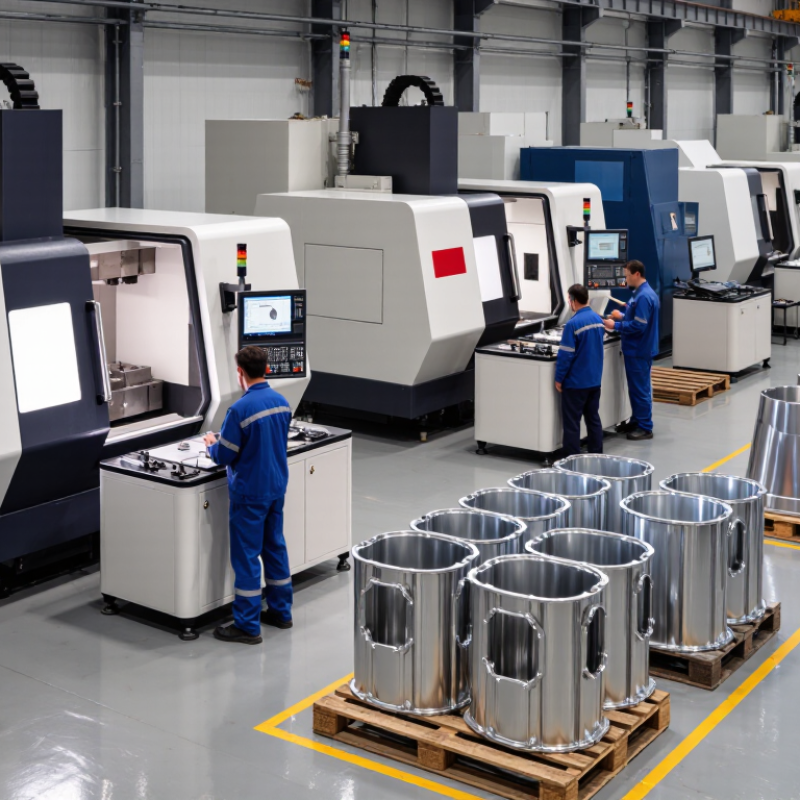
CNC machining parts manufacturers in China turn engineering drawings into metal or plastic components through milling, turning, drilling, and grinding. They commonly make shafts, brackets, housings, and precision fixtures. A typical job begins with material selection and a machinability review. Then engineers plan toolpaths, set tolerances, and produce samples for inspection. Small details matter. A sharp internal corner, for example, may require a different tool or design adjustment.
Their work often extends beyond cutting. Capable suppliers can source materials, deburr edges, apply surface treatments, and inspect dimensions with calibrated gauges or coordinate-measuring machines. The Grand View Research report on the CNC machine market valued that market at USD 67.5 billion in 2023 and projected 5.5% annual growth from 2024 to 2030. This reflects rising demand for CNC equipment, not a direct measure of Chinese parts output. Still, it helps explain why process control and production capacity matter. A polished sample is not proof of consistent batch quality.
Tips: Send a 2D drawing and 3D model, then ask how critical dimensions are checked. Request material certificates and a first-article inspection report. I would also clarify what happens when a part falls outside tolerance. That conversation can reveal gaps early. A low quote may omit finishing, inspection, or packaging; compare the full scope before approving production.
How China’s CNC Machining Industry Is Organized
China’s CNC machining industry is organized as a layered supply chain, not a single group of identical factories. Regional clusters in the Yangtze River Delta, Pearl River Delta, and Bohai Rim connect material suppliers, machine shops, heat-treatment and finishing services, and exporters. Small workshops often handle repeat parts or urgent prototypes; larger firms may combine machining, inspection, and assembly. The boundary is not always neat.
The China Machine Tool & Tool Builders’ Association reported about RMB 1.09 trillion in operating revenue for the broader machine-tool industry in 2023. This is not a count of CNC parts suppliers, but it signals the scale of the supporting industrial base. Automation also varies widely: the International Federation of Robotics reported 276,288 industrial robots installed in China in 2023, around 51% of global installations. A high national figure does not guarantee that an individual supplier has automated inspection or stable process control.
Tips: Ask for a sample inspection report, material traceability, and details on outsourced finishing. A useful check. Confirm who owns each step, and verify tolerances on the actual part—not only on a capability sheet. The supply chain can be efficient, but handoffs still deserve scrutiny.
Key Capabilities of Leading Chinese CNC Manufacturers
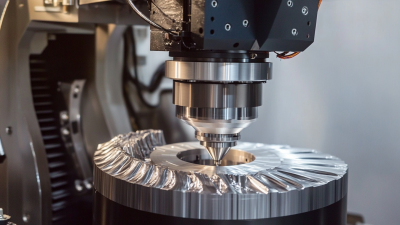
Leading CNC machining suppliers in China combine capable equipment with disciplined process control. A strong shop may use three-, four-, or five-axis mills and CNC lathes for parts with varied geometries. Machine count alone is not enough. Engineers should review how the team selects datums, manages tool wear, and checks tolerance stack-up. For a thin-walled aluminum housing, stable fixturing can prevent the part from shifting during milling. Small changes matter. Ask whether the supplier can machine your material, meet the drawing’s tolerances, and provide the required surface finish.
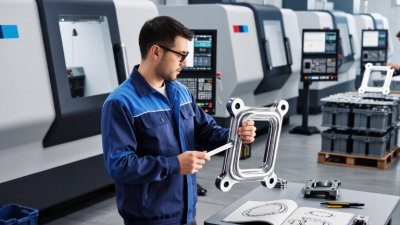
Quality control should be visible, not just promised. Probe-based setup checks, calibrated measuring tools, and first-article inspection can catch errors before a batch proceeds. Request sample inspection reports and material documentation when relevant. Communication is another capability: clear questions about drawings can reveal whether a team understands the part’s function. Still, a polished quotation does not prove consistent production. I would check how changes are documented and how defects are handled. No process is flawless. A realistic supplier should explain its limits, including features that may need a design adjustment or a longer lead time.
How to Compare CNC Machining Parts Manufacturers
Comparing CNC machining parts manufacturers requires more than matching unit prices. Start with process fit: ask whether the shop routinely machines your material, part size, geometry, and required tolerance. Request a sample inspection report, material traceability documents, and details on coordinate-measuring equipment. For a machined aluminum housing, check how the supplier measures a deep bore, not just the visible outer dimensions. Small detail. Ask who approves first-article results and how revisions are recorded.
Capacity claims need evidence. Compare quoted lead times with machine availability, batch size, and backup capacity. Ask for recent on-time delivery and defect rates, including how each figure is calculated. Grand View Research’s CNC machine market report estimated a global market value of $101.22 billion in 2022 and projected 9.3% annual growth from 2023 to 2030. That forecast signals expanding demand, but it does not prove any individual shop can meet your schedule. Verify capacity with a pilot order.
Review the full cost, not only the first quote. Confirm whether setup, finishing, inspection, packaging, and freight are included. Compare tolerances against the drawing; unnecessarily tight tolerances can raise costs without improving function. A factory tour or live video call can reveal how parts move from machining to inspection. Still, a polished tour is not proof. I would also ask what happens when a batch fails, and request a written corrective-action example.
Factors to Consider When Choosing a Chinese Manufacturer
When comparing Chinese CNC machining parts manufacturers, look beyond the unit price. Ask for material certificates, first-article inspection results, and measurement reports tied to your drawing’s critical dimensions. The International Organization for Standardization’s 2023 Survey records more than 1.4 million valid ISO 9001 certificates worldwide. Certification is a useful screening signal, not proof of machining capability. Request calibration records and recent inspection data for similar parts.
Check whether the shop’s machine travel, axis configuration, and tooling suit your part’s geometry. A thin-walled aluminum housing and a stainless-steel shaft demand different setups. Confirm tolerances, surface finish, and inspection methods before production. Also compare lead times, packaging, and how quickly engineers answer technical questions. I would not treat the lowest quote as the best deal; small exclusions can become costly later.
Tips: Send the same drawing and material specification to each candidate. Ask for a sample part and a clear list of assumptions. Then review the measurements yourself. One gap may remain: a successful sample cannot guarantee every production batch.