
Choosing a Welding Parts manufacturer is not a catalog exercise. A torch liner that binds during a shift, a poorly fitting nozzle, or inconsistent contact tips can slow production and create avoidable rework. For global buyers, these small components must perform reliably across machines, materials, and demanding work schedules. Price matters. So do fit, material consistency, inspection practices, and dependable delivery.
Welding metallurgy expert John C. Lippold’s published work highlights why materials and welding conditions must be considered together. A buyer-focused paraphrase of that principle is: “Reliable welding begins with parts suited to the material, process, and service conditions.” It is practical advice, not a direct quotation. This 2026 guide examines Welding Parts manufacturers through criteria buyers can verify, including product range, dimensional control, quality documentation, customization, and export support. Look for clear specifications, traceable batches, and responsive technical assistance—not just polished product photos. Ask how samples are checked and how changes are communicated. Details count.
No supplier fits every operation. A manufacturer serving high-volume robotic cells may not suit a repair shop needing flexible, small-batch orders. Compare the actual part numbers and operating conditions before judging offers. Request evidence, then test samples under realistic use. Even careful sourcing cannot eliminate every production problem. This guide aims to make comparisons clearer, while leaving room for buyers to challenge assumptions and confirm claims directly.
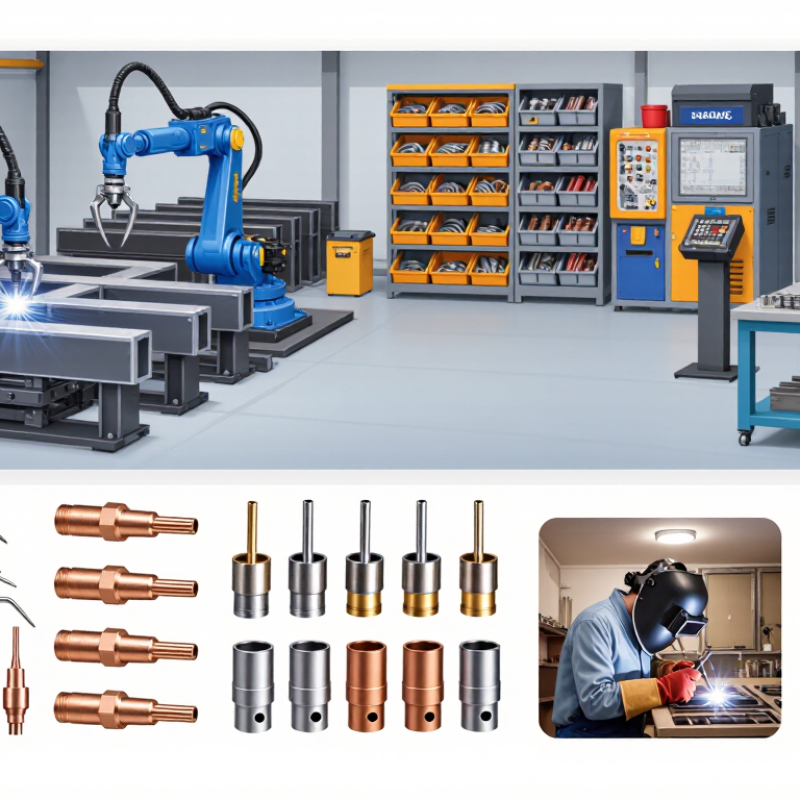
Welding parts are metal components joined to form a usable assembly, from a small mounting tab to a long equipment frame. Their scope includes material selection, cutting, edge preparation, joint design, welding, and finishing. The finished part must fit its mating components and withstand its expected loads, heat, vibration, or exposure. Details matter.
Common types include brackets, base plates, frames, pipe sections, guards, and custom enclosures. Assemblies may use butt, lap, corner, or T-joints, selected according to geometry and service demands. Processes such as MIG, TIG, and stick welding suit different material thicknesses, production volumes, and access conditions. The process name alone does not guarantee quality. Clean surfaces, controlled heat input, and suitable inspection are also important.
These components appear in construction equipment, agricultural machinery, industrial plants, transport systems, and energy infrastructure. A welded frame may support a motor; a pipe assembly may carry air or process fluids. Buyers should provide drawings, material grades, tolerances, and operating conditions when requesting parts. A neat drawing can still omit a critical detail, so clarification before production can prevent costly rework. Even careful inspection has limits, and the required checks should match the part’s function and risk.
2026 Top Welding Parts Manufacturers for Global Buyers
How to Evaluate Welding Parts Manufacturers in 2026
Evaluating a welding parts manufacturer starts with the drawing, not the sales pitch. Share the part’s material, dimensions, tolerances, finish, and expected production volume. Ask how the supplier checks weld consistency and dimensional accuracy. Look for inspection records tied to specific batches, not generic quality statements. A useful visit includes observing fixture setup, measurement tools, and how rejected parts are handled. Small details matter.
Request material certificates, sample inspection reports, and clear records linking raw materials to finished parts. Confirm whether the stated tolerances apply across the full production run. A perfect prototype proves little if later batches vary. Ask for a sample made with the intended process, then inspect it against your drawing. Measure critical points with suitable tools, and document any deviations. It can feel fussy. It is often cheaper than rework.
Capacity and communication deserve the same scrutiny as technical skill. Ask how the manufacturer handles urgent changes, equipment downtime, and material delays. Compare quoted lead times with actual production steps, including inspection and packing. Fast replies are encouraging, but precise answers are better. Check that packaging protects edges and weld surfaces during transit. Some buyers overlook this. I would not. A short trial order can reveal process gaps, though it may not expose every seasonal capacity issue. Look for consistent evidence over time.
Leading welding parts manufacturers serve buyers who need dependable components, clear documentation, and repeatable fit. Strong suppliers explain material grades, dimensional tolerances, and suitable operating conditions without hiding behind broad claims. For torch assemblies, liners, contact tips, and connectors, small variations can affect feeding, heat transfer, or maintenance time. Ask how parts are inspected and whether batch records can be traced to production dates. A polished catalog helps, but sample checks tell more. Details matter.
Global purchasing adds practical details. Confirm packaging, lead times, replacement availability, and how technical questions are handled across time zones. Request drawings and verify critical dimensions against your equipment before placing a large order. Check that materials match the process and working environment. A lower unit price may bring extra sorting or downtime; that cost is easy to miss. No manufacturer is perfect, and communication can still falter when specifications are vague.
Tips: Send a marked-up drawing, target quantity, and photos of the existing part. Test a small batch under normal working conditions, then record fit, wear, and feeding consistency. Test first. Keep one unresolved question on the checklist; it may reveal a gap before production scales.
Regional strengths shape the cost, quality, and delivery of welding parts. East Asian manufacturing centers often offer broad metalworking capacity, including stamped brackets, machined fittings, and welded assemblies. Central European suppliers may be well positioned for precision work and shorter regional transport routes. North American producers can support local buyers with accessible technical communication and reduced cross-border shipping exposure. These are tendencies, not guarantees. No region is uniformly strong.
Supply chain checks should go beyond the quoted unit price. Ask how suppliers control material grades, weld dimensions, and batch inspection records. For a mounting bracket, a small hole-position shift can complicate assembly. Request sample parts and compare measurements against the drawing before approving production.
Also confirm packaging, shipping terms, and what happens when a component fails inspection. A polished quotation can still hide a fragile delivery plan.
Lead times still vary. Port delays, seasonal demand, and subcontracted finishing may change schedules, even when the factory appears reliable. Some buyers overlook this until the first shipment is late. A simple capacity review and a clearly agreed inspection plan can reduce surprises, though neither removes every risk.
For global buyers, a welding-parts supplier should be judged by more than a low unit price. The World Steel Association’s October 2024 Short Range Outlook projected global steel demand would rise 1.2% in 2025, to 1.772 billion tonnes. That scale makes material traceability and repeatable production essential. Ask for mill certificates, inspection records, and documented control of dimensions and weld quality. A certificate alone is not proof that every shipment matches the approved sample. Check.
Compare suppliers against the requirements of the actual part. ISO 9001 supports quality-management controls, while ISO 3834 addresses quality requirements for fusion welding of metallic materials; neither replaces part-specific verification. Request sample inspection results, nonconformance records, and a clear process for corrective actions. Cost comparisons should include tooling, packaging, freight, and the cost of delayed replacements. A cheap quotation can hide expensive gaps.
Support matters when drawings change or defects appear. Ask who reviews technical questions, how quickly replacement parts can ship, and whether production changes require approval. Practical evidence is better than a polished promise. For example, request a sample report showing measured dimensions against drawing tolerances. One weakness in this approach: audits take time, and small suppliers may keep records less neatly without making poor parts. Balance paperwork with sample testing and communication.
A practical scorecard for comparing suppliers by quality, compliance, cost, and support.
Suggested buyer-defined evaluation weights: quality 35%, compliance 30%, cost 20%, and support 15%. These are planning weights, not measured supplier results or an industry-wide survey; apply them to verified audit and quotation data.
5107 County Road C
Manitowoc, WI 54220
920-726-4526
