
A Tokimec Equivalent Pump is not simply a pump with a similar shape. It is a replacement selected to match key hydraulic and mechanical requirements. Those may include displacement, rated pressure, rotation, shaft dimensions, mounting pattern, port positions, and control type. A mismatch can cause poor performance, extra heat, or difficult installation. Small details matter.
Hydraulic specialist Alex Morgan offers this editorially composed reminder: “Match the operating data, not just the nameplate.” This is an illustrative quotation, not a verified statement from a published source. The principle is still useful: compare the original pump’s model code and technical data with the proposed replacement before ordering. Check the machine’s service manual, too. A pump that fits the mounting face may still have different control behavior or port orientation.
This guide explains what “equivalent” means in practical terms, how to compare specifications, and which details deserve a closer look. It also notes an important limitation: product families and model codes can vary by region and application. When records are incomplete, confirm the match with the supplier or a qualified hydraulic technician. Guessing is risky. A careful comparison can help reduce downtime, but it cannot replace application-specific verification.
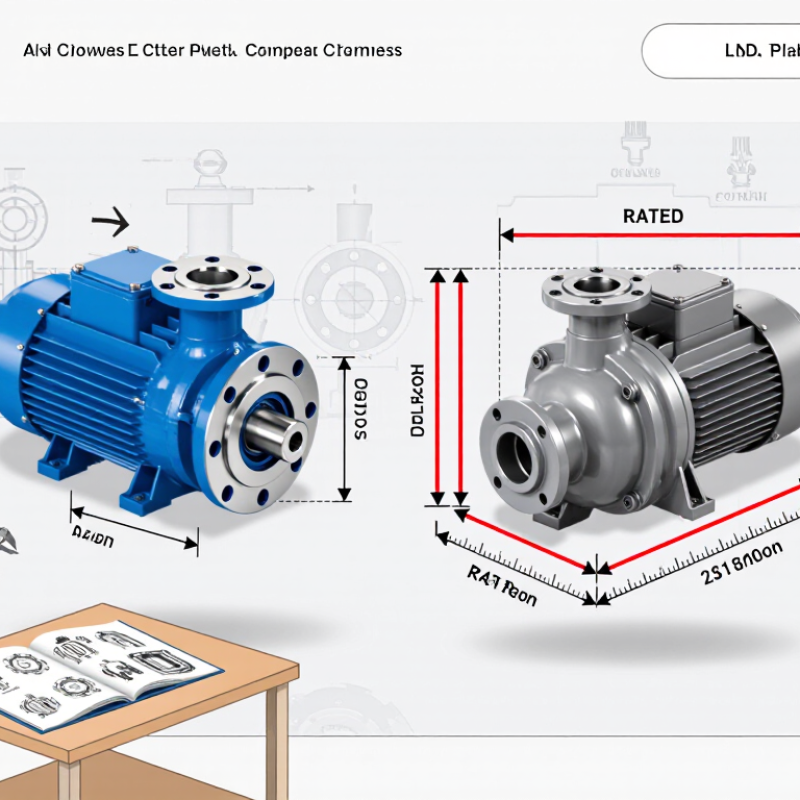
An equivalent pump is a replacement designed to perform the same job as an existing pump, while matching its key installation and operating requirements. “Equivalent” does not necessarily mean identical. The replacement may differ in internal design, materials, or control features, even when it fits the same system. Check displacement, rated pressure, operating speed, rotation direction, shaft dimensions, mounting points, and port locations. A few millimeters of mismatch can complicate installation.
Compatibility also depends on the machine around the pump. Confirm the hydraulic fluid, temperature range, control method, and expected duty cycle against the pump’s technical data. For example, a pump that bolts onto a frame may still deliver the wrong flow at the machine’s usual speed. Compare specifications, not just appearance or a seller’s brief description. In practice, “equivalent” can be a little misleading; it signals a possible match, not a guarantee. When details are missing, pause and verify them with a qualified hydraulic technician. That extra check may feel fussy, but it is cheaper than discovering a mismatch after installation.
A compatible pump is identified by matching its operating details, not by appearance alone. Start with the original unit’s model code and technical sheet, if available. Record displacement, rated pressure, rotation direction, and operating speed. These figures define the pump’s basic working range. Close is not always close enough.
Then compare the physical interfaces. Check shaft diameter and keyway, mounting flange, port locations, and overall dimensions. A ruler or caliper can help confirm measurements when labels are worn. Also verify the control type and the fluid the system uses. Small differences can cause installation problems or poor performance. A pump may bolt in place yet still rotate the wrong way.
Finally, compare the candidate pump’s duty limits with the machine’s real conditions. Consider peak pressure, temperature, cycle time, and available motor power. Use verified drawings or manufacturer specifications, rather than relying on a similar product photo. If the original code is incomplete, have a hydraulic technician confirm the details before ordering. I would not assume compatibility from displacement alone; that shortcut is tempting, but it leaves important questions unanswered. A careful match may take longer. It can prevent costly rework.
A suitable equivalent pump must match the original unit’s operating requirements, not just its appearance. Start with displacement, usually stated in cubic centimetres per revolution, and compare the rated flow at the same shaft speed. Check continuous and peak pressure ratings separately; a short pressure spike is not the same as sustained duty. Small details matter.
Confirm the direction of rotation from the specified viewing position, then match the shaft dimensions, mounting pattern, and port locations. Even a small mismatch can mean altered pipework or a coupling that will not seat correctly. Fluid compatibility, viscosity range, temperature limits, and case-drain requirements also affect service life. Check control type and response if the pump is part of a variable-output system. Measure twice.
Use the equipment nameplate and reliable technical documentation to verify each value. If a specification is missing, do not assume the closest catalog option will work. Compare the pump under the machine’s actual speed, load, and fluid conditions; sometimes the best match still needs a careful engineering review.
Equivalent hydraulic pumps are used in machine tools, injection molding equipment, presses, and mobile machinery. They supply pressurized oil to move cylinders or drive hydraulic motors. In a workshop, one may power a clamping circuit while another runs a lift. Compact power units also use them where steady flow and limited installation space matter. The exact application depends on the pump design and system requirements.
Marine equipment and industrial production lines may use equivalent pumps too. Their duty can vary: some run intermittently, while others operate for long shifts. Match the replacement to displacement, rated pressure, shaft dimensions, rotation direction, and port layout. Check the control type as well. A pump can fit physically yet perform poorly if its flow or pressure does not suit the circuit. Small differences matter.
Tips: Compare the pump nameplate and technical drawings before ordering. Confirm oil compatibility and operating temperature with a qualified technician. After installation, check for leaks, unusual noise, and unstable pressure under normal load. A quick fit is not proof of a correct match; that distinction is easy to overlook.
An equivalent hydraulic pump must match the system’s needs, not just its appearance. Before installation, identify the pump type, displacement, rated speed, and required flow. Check both continuous and peak pressure ratings. Numbers matter. A pump that fits the mounting plate may still deliver too much flow or lack pressure capacity.
Compare the old unit’s nameplate and drawings with the replacement’s technical data sheet. Check rotation direction, shaft dimensions, mounting pattern, port locations, and connection sizes. Confirm that seals and materials suit the hydraulic fluid and operating temperature. Check the machine’s circuit requirements, too; controls or relief settings may need adjustment. Do not guess. If specifications are missing, ask a qualified supplier or service technician to confirm them. Before startup, inspect the reservoir and lines for contamination, then follow the pump maker’s priming and startup instructions. A paper match is useful, but it cannot reveal every worn fitting or undocumented system change. Verify the details on the actual machine.
| Verification dimension | What to check | How to verify | Acceptance criterion |
|---|---|---|---|
| Pump type and function | Confirm the replacement uses the same pump principle and performs the same circuit function, such as supplying a hydraulic system or serving a dedicated control circuit. | Compare the equipment documentation, circuit diagram, and existing pump identification plate. | The replacement is suitable for the same duty and circuit arrangement. |
| Displacement and flow | Check displacement in cm³/rev and required flow in L/min. For a fixed-displacement pump, theoretical flow is displacement × rotational speed; actual flow is lower because of internal leakage and operating conditions. | Compare the rated displacement and the system’s required flow at the specified operating speed. Confirm the manufacturer’s performance data for the intended pressure and fluid. | Flow capacity meets the machine requirement without exceeding the drive or system limits. |
| Pressure rating | Check continuous, intermittent, and peak pressure ratings separately; these ratings are not interchangeable. | Compare the pump’s published ratings with the system operating pressure and pressure-relief setting. | The pump is rated for the system’s intended duty and pressure peaks. |
| Rotational speed and direction | Verify the permitted speed range and required direction of rotation, viewed from the specified shaft end. | Check the drive motor or engine speed, the pump documentation, and any rotation marking on the unit. | The drive speed and rotation direction are within the pump’s limits and match the circuit requirement. |
| Shaft and coupling | Compare shaft diameter, length, profile, key or spline details, and coupling engagement. | Measure the existing drive interface and check the replacement drawing. Do not force a coupling onto a mismatched shaft. | The shaft and coupling mate correctly and transmit the required torque without binding. |
| Mounting and envelope | Check mounting face, bolt pattern, pilot diameter, overall dimensions, and clearance around the installed pump. | Compare dimensional drawings and measure the mounting area before installation. | The pump mounts securely, aligns with the drive, and clears nearby components. |
| Port type, size, and position | Confirm inlet and outlet port locations, thread or flange standard, nominal size, and connection orientation. | Check the port drawing and identify the actual connection standard; similar-looking threads may not seal correctly together. | Connections match the hoses or manifolds and can be installed without cross-threading or harmful line strain. |
| Hydraulic fluid and temperature | Check fluid type, viscosity range, cleanliness requirements, and permitted operating temperature. | Compare the pump documentation with the fluid specification and expected cold-start and operating temperatures. | The fluid and operating conditions fall within the pump’s published limits. |
| Controls and auxiliary features | Check whether the pump is fixed or variable displacement and whether it includes compensators, control ports, sensors, or other required features. | Compare the control schematic and connection details with the machine circuit. | Control behavior and auxiliary connections support the original system function. |
| Pre-start and commissioning checks | Check cleanliness, correct fluid level, secure fittings, correct rotation, and proper pump priming where required by the manufacturer. | Follow the pump and machine service instructions. Start at low load and monitor pressure, flow, temperature, noise, and leakage. | Measured operation is stable and within the equipment’s specified limits before returning the machine to service. |
Note: A replacement is not verified by appearance or mounting fit alone. Confirm all ratings and dimensions against the original equipment documentation and the machine’s operating requirements before installation.
5107 County Road C
Manitowoc, WI 54220
920-726-4526