
Stecker Machine Blog

What Is an Electric Winch and How Does It Work?

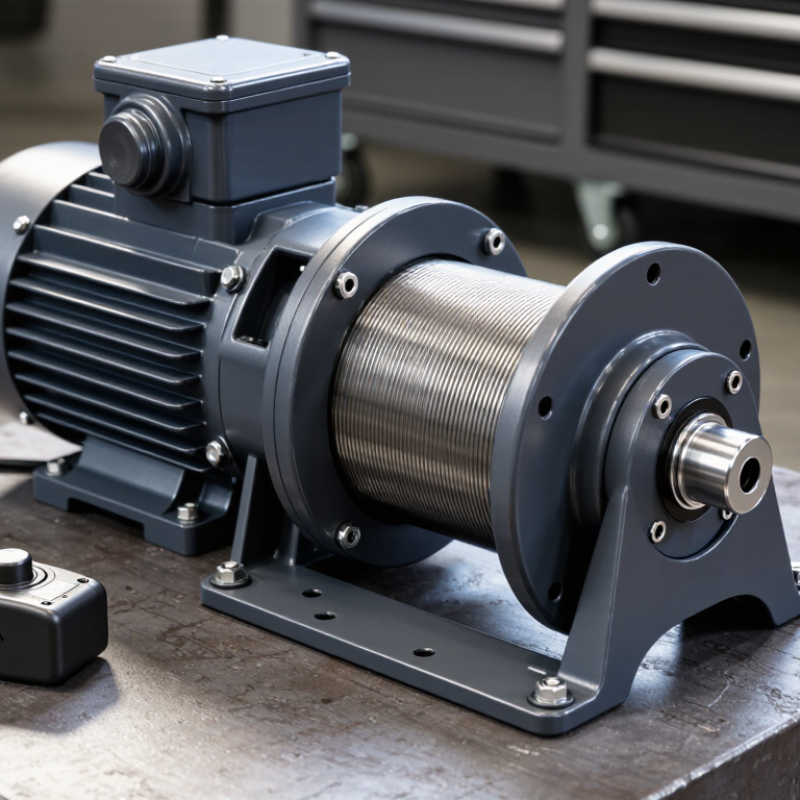
An Electric Winch uses an electric motor to pull or position a load with a cable or synthetic rope wound around a drum. The motor supplies rotation, while a gearbox adjusts speed and pulling force. A control switch directs the winch to pull in or release the line. Many models also include a brake to help hold a load when the motor stops. Small device. Serious force.

You may see electric winches on trailers, work vehicles, boats, and in workshops. Their uses vary, but the basic parts remain similar: motor, gearbox, drum, line, controls, and mounting points. Rated capacity matters. It describes a limit under specified conditions, not a promise that every setup can safely move that weight. Line angle, drum position, electrical supply, mounting strength, and load movement can all affect performance. A cable wound unevenly across the drum is one practical detail that is easy to overlook.

Understanding how an Electric Winch works helps you choose and operate one more carefully. Check the manufacturer’s instructions, inspect the line and connections, and keep people clear of the tensioned cable. Use suitable protective equipment and never rely on the winch alone to support a suspended load. These basics sound obvious, yet rushed setups still invite mistakes. A winch can make a difficult pull more controlled, but it cannot correct a weak anchor or poor judgment.
What Is an Electric Winch and How Does It Work?

What an Electric Winch Is and What It Is Designed to Do

An electric winch is a powered pulling device designed to move a load using a cable, rope, or strap wound around a drum. An electric motor turns the drum, while a gear system helps control speed and increase pulling force. The winch is usually operated with a wired or wireless control, so the operator can stand clear of the moving line. It pulls; it does not lift people.

Its purpose is steady, controlled movement where direct handling would be difficult. A recovery vehicle may use one to draw a stuck vehicle onto firm ground. In a workshop, a properly rated unit can help position equipment along a track. The winch’s rated capacity matters, but so do the mounting point, cable condition, and direction of pull. A strong winch attached to a weak support is still unsafe. That detail is easy to overlook.

Before use, operators check the load path, inspect the cable for kinks or broken strands, and keep hands away from the drum. The line should wind evenly, not pile up on one side. Short pulls are easier to monitor. Stop if the setup shifts or the motor strains. I have found that real jobs rarely look as tidy as diagrams, so a cautious pause can be more useful than extra force.

What Is an Electric Winch and How Does It Work?

An electric winch uses a motor and gearbox to turn a drum, winding in a cable or rope to pull a load. The chart shows an idealized relationship at a constant 1.5 kW of mechanical output: as line speed increases, available pulling force decreases.

This is a theoretical illustration, not a specification for a particular winch. Actual performance depends on factors such as motor power, gearing, drum layer, and operating conditions. A winch is designed for pulling, not for lifting people.

The Main Components of an Electric Winch

What Is an Electric Winch and How Does It Work?

The Main Components of an Electric Winch

An electric winch uses a motor to pull a cable or synthetic rope around a drum. The motor receives power from a battery or another suitable supply. A gearbox reduces motor speed and increases turning force. That balance matters when moving a heavy load. The drum stores the line, while a fairlead helps guide it as it winds in or pays out. Small parts, important jobs.

A brake helps hold the drum when the motor stops, though its design and capacity vary between winches. A control switch operates a contactor, which directs electrical current to the motor. Together, these components turn an electrical command into pulling force. The rated capacity is not the whole story: line pull can change as more cable layers build up on the drum. This detail is easy to overlook, even during careful setup.

Tips: Check the winch rating, power requirements, cable condition, and mounting points before use. Keep hands clear of the drum and moving line. Follow the manufacturer’s instructions, and never rely on the motor alone to secure a suspended load. A winch may look simple; its limits deserve respect.

How Electrical Power Turns the Winch Motor

When an operator presses the control, electrical current leaves the battery and travels through cables to the winch motor. A switch or contactor completes the circuit, allowing current to flow only when commanded. Power in. Motion out. Inside the motor, energized windings create magnetic fields that interact with the rotor, making it turn.

The motor shaft usually spins faster than the winch drum should. A gear train reduces that speed and increases turning force, helping the drum pull a heavy load. As the drum rotates, it winds the cable around its surface. Reversing the motor’s electrical direction can release cable, provided the winch is designed for powered-out operation. Details vary by model.

Current demand rises when the load gets heavier or the cable angle creates extra resistance. That can warm cables and motor windings, so proper connections and the manufacturer’s duty-cycle limits matter. A practical check: inspect cables for loose terminals, worn insulation, or unusual heat before use. The part worth watching closely is temperature; a winch may sound normal while its motor is already working too hard. Stop if the motor slows sharply, the cable binds, or the electrical connections become hot.

How the Cable or Rope Pulls a Load

An electric winch pulls by winding a cable or rope around a rotating drum. Power from the motor passes through a gearbox, which reduces speed and increases turning force. As the drum turns, tension travels along the line to the load. The line does not lift by itself; it transfers the winch’s pull to a secure attachment point. Slow and steady.

Cable layers affect performance. When several layers build up on the drum, the effective drum diameter grows, and pulling force at the line can decrease. A fairlead helps guide the line onto the drum, but it cannot correct a poor pulling angle. Keep the line aligned as much as practical, and avoid letting it bunch on one side. That detail is easy to overlook.

The load’s resistance also matters. Soft ground, an incline, or a snag can demand more force than the load’s weight alone suggests. Check the winch’s rated capacity and the line’s condition before use; frayed strands, cuts, or crushed sections are warning signs. Use a suitable anchor and keep people clear of a tensioned line. I used to think a heavier load was the only concern. It isn’t: friction and sudden movement can change the pull quickly.

Common Uses and Key Operating Considerations

An electric winch uses a motor and gearbox to rotate a drum, pulling a cable or rope toward a load. It is commonly used to recover stuck vehicles, position equipment, tension lines, and move materials across workshops or job sites. A winch designed for pulling is not automatically suitable for lifting; suspended loads require equipment specifically rated for that purpose.

Capacity needs careful reading. The rated pull can change as rope layers build up on the drum, so check the equipment manual rather than relying on a headline figure. Inspect the cable for kinks, broken strands, or crushing, and confirm that the anchor point can withstand the force. Keep people clear of the line of pull and never guide a moving cable by hand. Small details matter. ASME B30.7-2021 provides safety requirements for winches, including inspection and operation.

Power supply and duty cycle also affect performance. A weak battery can slow the motor, while prolonged pulling can overheat it; pause when the manufacturer’s limits require it. The U.S. Bureau of Labor Statistics recorded 5,283 fatal work injuries across U.S. workplaces in 2023, a broad figure rather than a winch-specific count (Census of Fatal Occupational Injuries). It is a useful reminder that routine checks deserve attention. Recheck the load path if the pull shifts, even slightly.

What Is an Electric Winch and How Does It Work? - Common Uses and Key Operating Considerations

Topic How It Works or Typical Details Key Operating Considerations
What an electric winch is A powered device that winds a rope, cable, or synthetic line onto a drum to pull or position a load. Use a winch designed for the intended application, environment, and load direction.
How power is transmitted An electric motor drives a gearbox, which turns the drum. A control switch or remote typically starts, stops, and changes the direction of operation. Follow the manufacturer’s instructions for wiring, controls, and operation. Disconnect power before servicing.
Rated line pull The rated pulling force is specified by the manufacturer and is commonly measured at the first layer of line on the drum. Available pulling force generally decreases as more line layers build up on the drum. Check the load chart and do not exceed the rating.
Braking and load holding Many winches use a brake or other load-holding mechanism to help prevent the drum from turning when power is removed. Never assume the brake is suitable for every load or lifting application. Verify its intended use and inspect it regularly.
Common uses Typical uses include vehicle recovery, moving equipment onto trailers, positioning materials, and pulling loads in workshops or industrial settings. Choose equipment and rigging that match the task. A winch intended for horizontal pulling is not automatically suitable for overhead lifting.
Electrical supply Winches are designed for a specified electrical system, such as a vehicle battery or a fixed power supply. Match the supply voltage and wiring to the winch specification. High motor current can cause voltage drop or overheating if cables are undersized.
Duty cycle and heat The motor and electrical components heat up during operation. Each model has its own operating limits and cooling requirements. Observe the stated duty cycle and rest periods. Stop if the motor, cables, or connections show signs of excessive heat.
Line and drum The line attaches to the load and winds around the drum; models may use wire rope or synthetic line. Inspect the line for damage, kinks, fraying, or abrasion. Keep the line properly spooled and follow the specified minimum number of wraps on the drum.
Rigging and anchoring A secure anchor point transfers the pulling force from the winch to a stable structure or vehicle. Confirm that the anchor, attachment points, and rigging are rated for the expected forces. Keep people clear of the line path and potential recoil zone.
Using a pulley block A correctly rigged pulley block can change the direction of pull or reduce the load on the winch at the expense of line speed. Account for forces on the anchor and rigging, and use compatible, rated equipment. A pulley arrangement does not make an unsafe anchor safe.
Safe operating practice Operate from a position with a clear view of the load and use the designated controls. Keep hands, clothing, and bystanders away from the drum, line, and moving load. Do not use a winch to lift or suspend people.
Inspection and maintenance Regular checks help identify wear, corrosion, loose connections, damaged controls, and problems with the brake or mounting. Follow the maintenance schedule for the specific model and remove damaged equipment from service until it has been assessed or repaired.

Note: Ratings, installation requirements, and operating limits vary by model. Consult the winch manufacturer’s documentation and applicable safety requirements before use.