Why Is SMT Equipment Essential for Electronics Manufacturing?
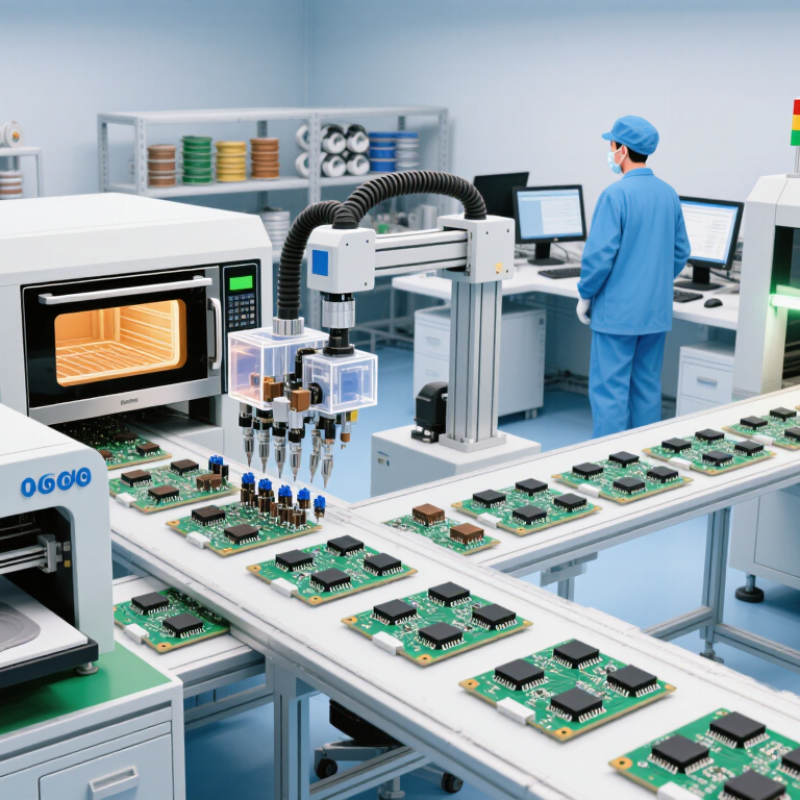
Why is SMT Equipment essential to electronics manufacturing? Because modern circuit boards demand speed, precision, and repeatability at a scale manual assembly cannot reliably sustain. A stencil printer deposits solder paste onto tiny pads. Pick-and-place machines position components with controlled accuracy. Reflow ovens create solder joints through carefully managed heat. Automated optical inspection then checks for visible placement and soldering defects. Each machine has a distinct role, yet the line works best when settings, materials, and handoffs are coordinated.
As an illustrative expert voice, SMT process engineer Maya Chen puts it this way: “A fast line matters only when it produces repeatable quality.” This is a proposed quotation, not a verified statement from a real, named expert. In practice, reliable output depends on more than machine speed. Feeder setup, board support, stencil condition, component data, and temperature profiles all affect results. A misplaced part or uneven paste deposit can interrupt production and require careful review. Small details matter.
SMT Equipment also helps manufacturers collect process data, manage changing product designs, and reduce avoidable manual handling. Those gains are not automatic. Poor programming, weak maintenance, or rushed changeovers can undermine even advanced equipment. There is no perfect line. The useful question is whether the equipment and process match the product, volume, and quality targets. This article examines how SMT systems support precision, productivity, and consistent assembly, while considering their practical limits.
What SMT Equipment Includes
SMT equipment is a connected set of machines that places and solders components onto printed circuit boards. A typical line begins with a stencil printer, which applies solder paste through a fine metal stencil. The paste forms small deposits on each pad. Solder paste inspection equipment can check deposit size and position before components are placed.
Pick-and-place machines use feeders, cameras, and placement heads to position components. Their setup must match the board design and component packages. That sounds simple. It isn’t always. Reflow ovens then heat the board in controlled temperature zones, melting the paste to form solder joints. Conveyor systems move boards between machines, while buffers can reduce stoppages when one process slows.
Inspection tools, such as automated optical inspection systems, look for visible placement and soldering defects. Some lines also use X-ray inspection for joints hidden beneath certain components. Production software may track board recipes, machine status, and inspection results. The exact equipment depends on board complexity, output needs, and quality requirements. Even a well-planned line needs adjustment: paste can behave differently with temperature, and a fast placement rate does not guarantee fewer defects. Practical process checks matter as much as machine specifications.
How SMT Equipment Fits into PCB Assembly
In PCB assembly, SMT equipment turns a bare board into a populated circuit through a linked sequence of controlled steps. A stencil printer deposits solder paste onto copper pads; even a small smear can bridge neighboring contacts. A placement machine then uses feeders and vision cameras to position components. The board passes through a reflow oven, where a measured heat profile melts the solder and forms electrical joints. Automated optical inspection checks component presence, alignment, and visible defects. Each machine depends on the quality of the previous step. A precise placement cannot fully correct poor paste printing.
Equipment also makes repeatable production possible as board designs grow denser. Grand View Research estimated the global surface-mount technology market at US$5.31 billion in 2023 and projected a 6.5% compound annual growth rate from 2024 to 2030. This is a market estimate, not proof that every factory needs the same line. Board size, component mix, production volume, and changeover frequency all matter. For example, a fine-pitch board may need tighter print inspection and careful oven profiling. A high-volume line may prioritize feeder capacity and reduced downtime. The setup is never quite “set and forget”; operators still need to review defects and adjust process settings. That part is easy to underestimate.
How SMT Equipment Enables Precision and Automation
SMT equipment turns a circuit-board design into a repeatable assembly process. A stencil printer deposits solder paste through fine apertures, while a placement machine positions components against programmed coordinates. Cameras check alignment before parts reach the reflow oven. Small errors matter. A shifted component or uneven paste deposit can cause defects that inspection catches only later.
Automation supports consistency, speed, and traceability, but it depends on sound setup. Feeder calibration, board support, and thermal profiles all affect results. The International Federation of Robotics’ World Robotics 2023 report recorded about 157,000 industrial robot installations in the electronics industry in 2022, roughly 28% of global installations. This figure covers electronics broadly, not SMT machines alone, but it shows the sector’s substantial investment in automation.
Automated inspection can flag missing components, polarity errors, and soldering issues while production is underway. Process data also helps engineers compare batches and investigate recurring faults. A caveat: automation cannot rescue poor process settings. A fast line can repeat the same mistake very efficiently. Engineers still need to review inspection results, verify changes, and adjust the process when boards behave differently than expected.
What to Consider When Choosing SMT Equipment
Choosing surface-mount technology equipment starts with the products you actually build, not a machine’s headline speed. List board dimensions, component sizes, daily volume, and expected product changes. A line designed for one stable assembly may struggle with frequent changeovers or unusually large boards.
Check the feeder capacity. Confirm that the placement machine supports your smallest components, required accuracy, and nozzle range. For fine-pitch parts, request a test run using your own boards and components. A polished demonstration board proves little. Ask how the printer handles stencil alignment and how the reflow oven maintains temperature across the board. Review inspection options, too; defects are easier to address when the process can reveal where they began.
Throughput figures can be optimistic. Compare quoted output with your real mix of boards, changeover time, and inspection needs. Check whether equipment fits your floor plan and connects with existing software. Spare parts and local service matter when a feeder fails mid-shift. No line is perfect. Early production estimates can also be wrong, so leave room for adjustment rather than buying only for today’s forecast.